Edinburgh is generally a very safe city at night with low violent crime rates compared to other major European urban areas. Sticking to well-lit main streets, using licensed black cabs, and maintaining personal spatial awareness ensuring safe navigation.
Edinburgh maintains a strong reputation for public safety, supported by low national violent crime indexes and extensive municipal oversight. Navigating the Scottish capital after dark requires basic personal awareness rather than extreme precautions.
Urban lighting infrastructure covers major thoroughfares like Princes Street, North Bridge, and South Bridge, ensuring clear visibility for pedestrians walking late.
Public transport networks, including Lothian Buses and Edinburgh Trams, operate night services across central corridors. Police Scotland maintains routine foot patrols around high-traffic nightspots, minimizing risks for night walkers.
Understanding urban layout prevents accidental entry into poorly monitored areas. The city relies on historical stone architecture, featuring deep alleyways known locally as closes. While historic closes connect major streets, unlit passages present tripping hazards and reduced visibility at night.
Moving through well-populated pedestrian areas like the Royal Mile or George Street provides a safer nocturnal experience. Most reported nighttime incidents involve minor property theft or alcohol-related anti-social behavior near crowded bars. Carrying minimum cash and using contactless payment systems reduces personal exposure to opportunistic theft.
Is Walking Alone in Edinburgh at Night Safe for Pedestrians?
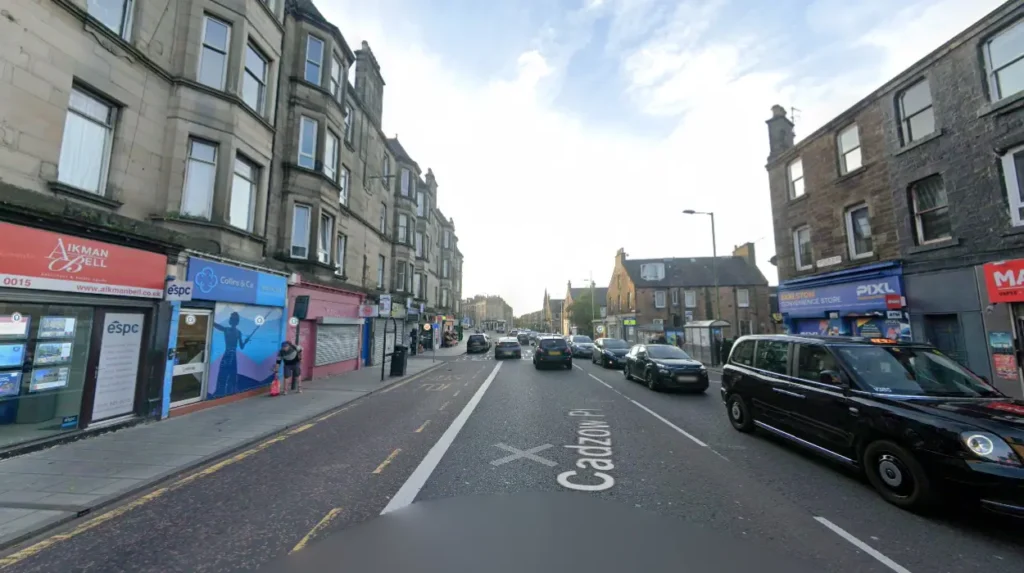
Walking alone in Edinburgh at night is safe for pedestrians who stick to populated avenues, avoid unlit urban closes, and use verified transport options. Municipal lighting, CCTV networks, and regular Police Scotland patrols support general pedestrian safety after dark.
Pedestrian movement across central Edinburgh remains secure due to well-integrated safety infrastructure. The city features high-density street lighting along major residential and commercial sectors.
Public space surveillance systems monitored by local authorities cover key transit nodes, discouraging criminal activity. Pedestrians benefit from high foot traffic along main routes, which creates a natural community surveillance effect late into the evening.
Solo walkers should adopt preventative measures to preserve personal security. Avoid walking with both headphones active, as auditory awareness helps identify approaching cyclists or vehicles on cobblestones.
Stick to primary pedestrian pathways such as Lothian Road, Nicolson Street, and Princes Street. Distinguish between open public squares and narrow residential closes that lack secondary streetlights. Emergency call points and open commercial premises offer immediate assistance if a pedestrian feels unsafe.
Which Areas of Edinburgh Require Caution After Dark?
Areas requiring heightened awareness in Edinburgh after dark include unlit sections of Holyrood Park, secluded closes off the Royal Mile, and poorly lit parklands like the Meadows. Busy nightlife hubs like Cowgate also require caution regarding alcohol-induced rowdiness.
Certain geographic locations exhibit elevated safety risks due to physical layout or reduced night activity. Open natural environments like Holyrood Park and Arthur’s Seat lack artificial street illumination, rendering terrain treacherous and paths isolated after sunset.
Large public parks, including Leith Links and the Meadows, contain unlit arterial paths that pedestrians should avoid during late hours in favor of perimeter roads.
Urban nightlife hubs present distinct operational challenges for late-night walkers. The Cowgate and Grassmarket areas contain high concentrations of pubs, bars, and late-night clubs. While these streets host heavy police presences, large crowds increase the statistical frequency of minor altercations and pickpocketing.
Historical closes linking Cowgate to the High Street feature steep stone steps, limited line-of-sight, and restricted exit points. Navigating via wide thoroughfares like George IV Bridge prevents unnecessary exposure to confined, unlit spaces.
What Transportation Options Are Best for Safe Night Travel in Edinburgh?
The best safe night travel options in Edinburgh include Lothian Night Buses, Edinburgh Trams, licensed black cabs, and registered ride-share services. These options feature verified drivers, tracking technologies, and continuous operating schedules across urban corridors.
Municipal transport systems provide continuous service across Edinburgh throughout the night. Lothian Buses operates dedicated NightBus routes marked with an N prefix, running from midnight until early morning across central and suburban hubs.
These vehicles feature internal CCTV monitoring, trained drivers, and direct emergency communications with central control rooms. Edinburgh Trams run extended schedules connecting the city center to Edinburgh Airport, providing bright, monitored transit environments.
Private hire transport offers direct door-to-door security for late-night commuters. Official Edinburgh taxis, recognizable as traditional black cabs with lit rooftop signs, can be hailed directly from designated ranks at Waverley Station or Lothian Road.
Drivers undergo criminal record background checks and vehicle inspections managed by the City of Edinburgh Council. App-based ride-sharing services provide real-time GPS tracking and pre-identified driver credentials. Avoid unmetered or unregistered vehicles claiming to offer private transit services.
How Can Night Walkers Avoid Common Safety Pitfalls in Edinburgh?
Night walkers avoid safety pitfalls by planning routes along lit streets, securing personal belongings, avoiding unmonitored closes, and identifying emergency contact points. Staying alert to weather changes and uneven cobblestone surfaces prevents accidental injuries.
Preventative personal planning minimizes potential hazards while exploring Edinburgh after dark. Environmental factors such as wet cobblestones, steep inclines, and sudden coastal fog affect foot stability and visibility.
Wearing suitable footwear prevents slips on historical stone pavements near the Old Town. Securing mobile phones, wallets, and passports inside zippered pockets prevents physical loss or opportunistic theft in crowded night zones.
Establishing clear communication plans enhances safety during late outings. Share travel itineraries or live locations with trusted contacts when moving between neighborhoods. Note emergency contact numbers, including 999 for critical response and 101 for non-emergency Police Scotland inquiries.
Locate open commercial establishments like late-night hotels, convenience stores, or fast-food venues that provide brightly lit refuge if unexpected delays or security concerns arise on foot.
Is the Meadows in Edinburgh safe to walk through at night?
The Meadows is generally unlit across its central pathways after dark, making it safer to walk around the illuminated perimeter streets like Melville Drive or Lauriston Place late at night.
Are taxis easy to find in Edinburgh late at night?
Licensed black cabs can be easily hailed at official ranks near Waverley Station, Lothian Road, and the Royal Mile, while ride-share apps operate continuously throughout the city.
What emergency number should I call in Edinburgh?
For immediate safety threats or life-threatening emergencies call 999, whereas non-emergency incidents should be reported directly to Police Scotland by dialing 101.
Is Edinburgh safe for solo female travelers at night?
Edinburgh ranks among the safest destinations for solo female travelers in the UK due to low violent crime rates, well-patrolled central areas, and accessible night transport networks.
Do buses run all night in Edinburgh?
Lothian Buses operates a dedicated NightBus network covering major city corridors and suburban routes throughout the night, running continuously after standard daytime services stop.