Edinburgh Airport sits approximately eight miles west of Princes Street, serving as the primary international gateway to Scotland. Navigating from the terminal to the historic capital involves choosing between several well-integrated public transport systems, dedicated rail lines, and private vehicle options. Selecting the appropriate transfer mode depends directly on budget limits, travel time requirements, luggage volume, and final destination neighborhoods within the city.
- What Is the Fastest Way to Get From Edinburgh Airport to the City Centre?
- How Do You Take the Tram From Edinburgh Airport to the City Centre?
- What Are the Bus Options From Edinburgh Airport to Central Edinburgh?
- How Much Does a Taxi or Uber Cost From Edinburgh Airport?
- What Is the Cheapest Way to Travel From the Airport to Central Edinburgh?
- How Accessible Is Edinburgh Airport Transport for Passengers with Reduced Mobility?
- What Are the Rules for Traveling With Heavy Luggage on Airport Transport?
- How Do Early Morning and Late Night Arrivals Affect Transport Options?
- How long does it actually take to clear customs and get to the tram at Edinburgh Airport?
- Is it better to take the bus or tram if staying near Royal Mile?
- Do I need to buy Edinburgh Airport tram tickets in advance online?
- Can four people share a taxi cheaper than buying four individual tram tickets?
- How much does Uber charge from Edinburgh Airport during peak hours?
The development of Edinburgh transport infrastructure reflects decades of urban planning aimed at connecting major air hubs directly to municipal commercial centers. Prior to modern transit expansions, passengers relied exclusively on road-based coaches and standard vehicle hire along the busy A8 corridor. Today, direct rail integration and dedicated bus channels ensure rapid transit across the west Edinburgh suburban belt directly into central railway hubs like Haymarket and Waverley.
Understanding the layout of the terminal zone accelerates transit times upon arrival. The single-terminal facility concentrates all ground transport hubs immediately outside the main arrivals hall on the ground level. Signposted pedestrian walkways lead directly to the covered tram terminus, bus departure stands, and designated taxi ranks. Clear physical separation between mass transit platforms and private vehicle loading zones minimizes terminal congestion and streamlines passenger transfers.
Evaluating transit modes requires balancing speed, financial cost, operational hours, and door-to-door convenience. Bus services provide continuous twenty-four-hour access at low price points, whereas light rail transit avoids surface traffic bottlenecks altogether. Taxis and private hire vehicles deliver direct door-to-door transit but remain susceptible to peak-hour road congestion. Reviewing detailed operational specifications enables travelers to make efficient choices based on their individual arrival schedules.
What Is the Fastest Way to Get From Edinburgh Airport to the City Centre?
Private taxis and pre-booked chauffeur vehicles offer the fastest direct route from Edinburgh Airport to the city centre, completing the eight-mile trip in twenty to twenty-five minutes under normal traffic conditions via the A8 Glasgow Road highway corridor.
Direct road journeys benefit from high-speed dual carriageway sections linking the airport perimeter directly to western city arteries. Taxis bypass multi-stop public transport schedules, providing seamless door-to-door transfers to specific hotel addresses, private residences, or commercial venues. Outside peak commuting hours, vehicle transfers represent the absolute minimum transit time between the terminal building and the historic Old Town or New Town sectors.
Journey duration varies significantly based on time of day, day of the week, and ongoing municipal roadworks. Peak morning traffic between seven and nine in the morning increases road travel times to forty-five minutes or longer. Evening rush hours present similar delays along Corstorphine Road and Shandwick Place. Travelers prioritizing speed during heavy congestion windows often select rail options to avoid unpredictable traffic queueing along central thoroughfares.
Private transfers drop off passengers directly at their final destination doorstep, eliminating the need for secondary walking or local street navigation with heavy luggage. Vehicle fleets operating from the terminal include standard sedans, executive cars, and multi-passenger vans capable of carrying large groups. Pre-booking vehicles ensures driver waiting arrangements in the arrivals area, bypassing queues at public taxi stands during peak flight landing times.
How Do You Take the Tram From Edinburgh Airport to the City Centre?
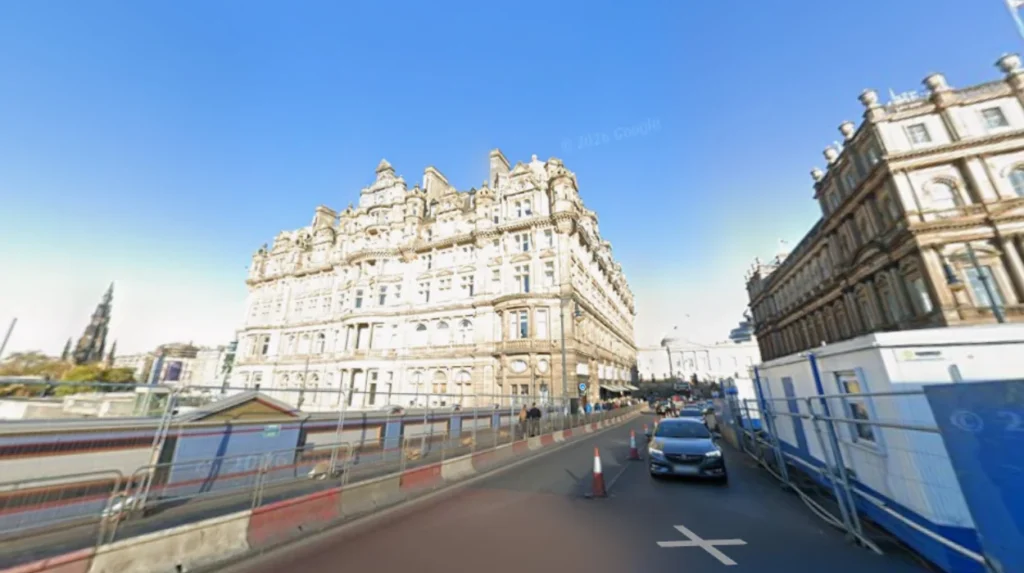
Passengers board the Edinburgh Tram at the dedicated terminal platform located outside arrivals, purchasing tickets via platform vending machines or contactless taps before embarking on a thirty-five-minute journey along segregated tracks directly into central stops.
Edinburgh Trams run on a fully segregated light rail line connecting the airport terminal directly to York Place, St Andrew Square, and onward to the historic port of Leith. The airport station features step-free level boarding access, covered waiting shelters, digital passenger information displays, and automated ticket machines accepting cash or payment cards. Trams depart every seven to ten minutes throughout the operating day, maintaining exceptional schedule reliability.
The tram route progresses east from the airport through key transit interchanges, including Edinburgh Park, Murrayfield Stadium, and Haymarket Station. Reaching central hubs like West End, Princes Street, and St Andrew Square takes roughly thirty-five minutes regardless of surface road congestion. Segregated track geometry insulates light rail vehicles from traffic gridlock, rendering the system exceptionally predictable for passengers holding tight onwards travel schedules.
Ticketing for the tram requires advance purchase or valid contactless card validation prior to stepping aboard the vehicle. The airport terminus sits within a special fare zone, making standard city-zone single tickets invalid for airport journeys. Onboard ticket inspectors actively verify fare compliance using electronic scanners. Passengers carrying heavy rolling suitcases benefit from spacious interior luggage racks, wide gangways, and step-free access across all vehicle doors.
What Are the Bus Options From Edinburgh Airport to Central Edinburgh?
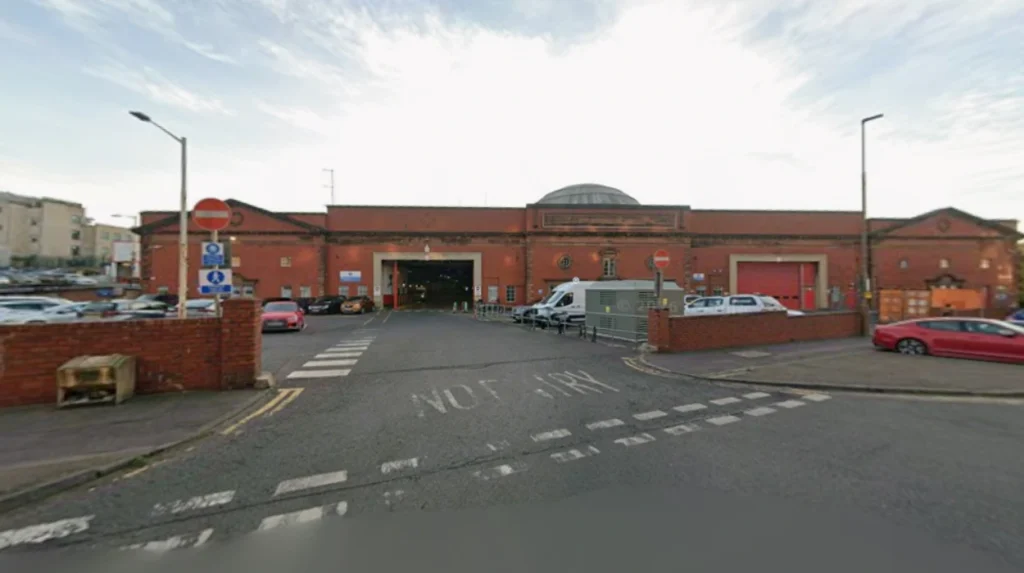
Lothian Buses operates the Airlink 100 express service twenty-four hours daily from Stand A outside arrivals, taking thirty minutes to reach Waverley Bridge while offering dedicated luggage racks, free Wi-Fi, and USB charging ports.
The Airlink 100 serves as the primary express bus route connecting the terminal with central railway stations and city landmarks. Operating continuously throughout the day and night, the service runs every ten minutes during daytime hours and every twenty minutes overnight. Distinctive blue double-decker vehicles feature lower-deck luggage bays, CCTV monitoring, live transit displays, and comfortable seating arrangements designed specifically for airline passengers.
Alternative local bus services operate from the airport platform to serve surrounding residential and commercial districts across the city. Skylink 200 connects the airport to Ocean Terminal via northern suburbs, while Skylink 300 runs toward the south side of Edinburgh. Bright Bus Airport Express provides additional competition along central routes, stopping at major hotel corridors. These alternative services give travelers direct options to non-central accommodation without requiring city-center transfers.
Passengers purchase bus fares via contactless card payment, exact cash, or mobile ticketing applications prior to boarding. Lothian Buses utilizes a automated daily fare capping system on contactless payments, ensuring passengers pay the most economical rate for multiple daily journeys. Boarding queues form systematically at assigned airport stands where platform staff assist travelers with luggage loading and route information during high-volume summer peak periods.
How Much Does a Taxi or Uber Cost From Edinburgh Airport?
Metered black cabs and ride-share services like Uber typically cost between twenty-five and forty pounds for a single journey from the airport to the city centre, with final fares depending on traffic levels and time.
Official black cabs queue at the East Terminus facility directly accessible via the covered pedestrian walkway from arrivals. Black cabs operate on standard taxi meters calculated on distance traveled and operational time, meaning heavy traffic increases the total trip cost. Terminal access fees and late-night surcharges automatically apply to metered totals, while multi-passenger black cabs comfortably accommodate up to six travelers alongside heavy luggage.
Ride-share platforms including Uber and Bolt service Edinburgh Airport through a designated pickup zone on the ground floor of the multi-storey car park. Dynamic pricing algorithms fluctuate fares based on real-time vehicle demand, passenger volume, and local weather conditions. Surge pricing during peak arrival banks can elevate ride-share fares above standard metered taxi rates, making fare comparisons before booking advisable.
Pre-booking private hire vehicles from local private companies guarantees fixed-rate pricing established before arrival. Private hire cars differ from black cabs because drivers cannot accept street hails and must be booked in advance via telephone or digital app. Fixed pricing protects passengers from unexpected traffic delays on route, making private hire an attractive choice for family groups or business travelers requiring expense predictability.
What Is the Cheapest Way to Travel From the Airport to Central Edinburgh?
The Airlink 100 express bus offers the cheapest dedicated transit method, with single adult fares costing six pounds, while public local buses provide even lower rates for travelers willing to accept longer transit times.
Budget-conscious travelers choose the Airlink 100 express bus for its balance of low cost and high frequency. Open return tickets lower per-journey costs further for visitors flying back from Edinburgh within a flexible timeframe. Children aged five to fifteen travel at discounted rates, while infants under five travel free across all municipal bus networks, keeping family transit expenses low compared to private vehicle hire.
Local suburban bus services offer alternative budget access to outer city districts at standard local fare rates. While these routes require additional travel time due to frequent suburban stops, they bypass airport premium surcharges associated with express rail and taxi transfers. Travelers carrying minimal hand luggage find local bus routes useful for reaching self-catering accommodations outside the immediate downtown core.
Comparing public transport ticket types reveals significant savings opportunities for multi-day itineraries. Purchasing a Network Day Ticket grants unlimited combined travel on Lothian buses and Edinburgh Trams across all zones, including the airport station. Utilizing combined day passes eliminates individual ticket transactions, allowing travelers to transition seamlessly between airport transit and city sightseeing options using one single digital or paper pass.
How Accessible Is Edinburgh Airport Transport for Passengers with Reduced Mobility?
All trams, express buses, and official airport black cabs feature full accessibility equipment including low-floor level boarding, step-free ramps, dedicated wheelchair spaces, and visual or audible stop announcements across all transit routes.
Edinburgh Trams maintain full accessibility standards across every platform and vehicle in the system. Station platforms feature gentle access ramps, tactile paving surfaces, and level thresholds matching tram floor heights perfectly. Dedicated wheelchair bays inside tram carriages include safety backrests, call buttons, and clear digital displays showing upcoming stops. Platform ticket machines stand at accessible operating heights for wheelchair users.
Airlink 100 express buses utilize low-floor chassis capable of kneeling toward the curb at designated platform stands. Drivers deploy manual or automated access ramps to facilitate wheelchair boarding at the terminal and street stops. Each double-decker bus incorporates a designated wheelchair bay on the lower deck equipped with safety restraints, alongside priority seating sections reserved for elderly passengers or travelers with mobility impairments.
Official black cabs operating from the airport rank come equipped with built-in passenger access ramps, high-visibility grab handles, and swivel seats. Wheelchair users can remain seated inside the vehicle during transit, secured by heavy-duty tie-down restraints and specialized seatbelts. Terminal staff stationed at the taxi rank assist passengers needing extra physical support or mobility equipment stowage before departure.
What Are the Rules for Traveling With Heavy Luggage on Airport Transport?
Edinburgh trams and express buses feature dedicated floor-level luggage racks designed specifically for large suitcases, whereas standard local buses restrict oversized baggage that blocks passenger aisles or emergency doors.
Trams provide the most spacious accommodation for travelers carrying high volumes of oversized luggage, sports equipment, or bike boxes. Large central vestibules feature open floor space and sturdy luggage racks positioned near double doors for rapid loading and unloading. Passengers must keep personal items out of central aisles to maintain clear emergency evacuation routes throughout the light rail carriage during transit.
Airlink 100 buses include large, multi-tiered luggage racks positioned on the ground level directly opposite the entry doors. Drivers allow passengers to store large suitcases in these central racks before taking their seats on either deck. For safety reasons, passengers cannot carry large hard-shell suitcases up the narrow stairs to the upper deck, requiring all heavy baggage to remain securely stowed on the lower level.
Taxis and private hire vehicles handle heavy luggage within enclosed rear boots or spacious van compartments. Black cabs offer exceptional storage capacity, accommodating multiple large suitcases alongside folded pushchairs within the passenger compartment floor well. Drivers routinely assist passengers with loading heavy bags into vehicles, relieving travelers of physical lifting after long international flights.
How Do Early Morning and Late Night Arrivals Affect Transport Options?
The Airlink 100 bus operates continuous twenty-four-hour service every day of the year, while trams cease operations between eleven at night and six in the morning, leaving taxis as the primary nocturnal alternative.
Late-night flight arrivals landing after midnight encounter reduced public transit frequency across the urban transport network. While tram services end late in the evening, the Airlink 100 bus continues running through the night at twenty-minute intervals. Overnight bus routes follow the same primary corridor into Haymarket and Waverley stations, providing reliable, safe transit for night-shift workers and red-eye flight passengers.
Taxis and ride-share vehicles maintain continuous twenty-four-hour availability at the terminal grounds throughout the night. Midnight travelers should anticipate late-night metered fare surcharges on standard taxis, alongside potential ride-share surge pricing when multiple international flights land simultaneously. Pre-booking private transfers ensures guaranteed vehicle availability during unsociable hours when rank queues fluctuate unpredictable.
Early morning departures heading back to Edinburgh Airport require advance schedule verification to ensure timely arrival at security checkpoints. Passengers choosing early morning buses should check seasonal timetable shifts to budget sufficient transit time. Utilizing 24-hour express buses or reserving early morning taxi pick-ups prevents missed flight connections caused by limited early morning rail schedules.
How long does it actually take to clear customs and get to the tram at Edinburgh Airport?
Clearing immigration and customs at Edinburgh Airport typically takes twenty to forty minutes depending on international arrival queues. The walk from the baggage claim exit to the tram platform takes less than five minutes along a fully covered pedestrian walkway.
Is it better to take the bus or tram if staying near Royal Mile?
The Airlink 100 bus is slightly better for the Royal Mile because it terminates at Waverley Bridge right beside the Old Town ramps. The tram drops passengers at St Andrew Square or Princes Street, requiring a steeper uphill walk with luggage to reach upper Royal Mile hotels.
Do I need to buy Edinburgh Airport tram tickets in advance online?
You do not need to buy tram tickets in advance because platform machines accept contactless cards, physical coins, and mobile payments. However, you must validate or purchase your ticket before stepping onto the tram platform to avoid onboard penalty fares.
Can four people share a taxi cheaper than buying four individual tram tickets?
Four adult single tram tickets cost thirty-one pounds and sixty pence total. A metered taxi or ride-share for four people to the city centre usually costs between twenty-five and thirty-five pounds, making a taxi cheaper and more convenient for small groups.
How much does Uber charge from Edinburgh Airport during peak hours?
Uber fares during peak commute hours or heavy arrival banks often surge to forty or fifty pounds. Standard metered black cabs at the official rank remain capped by municipal rate tables, often making them cheaper than surge-Priced ride-share apps.