
Edinburgh served as the political, religious, and social nerve center of the Scottish Reformation in 1560. The city hosted critical parliamentary debates, influential public sermons by John Knox, and urban conflicts that led to the abolition of Papal authority.
- How Did St Giles Cathedral Become the Epicenter of Religious Reform?
- What Impact Did John Knox Have on Edinburgh Reformation Politics?
- How Did Parliament Legislation Solidify Protestant Power in Edinburgh?
- What Role Did Mary of Guise and Mary Queen of Scots Play in Edinburgh Struggles?
- How Did the Reformation Transform Edinburgh Civic and Social Life?
- What triggered the Scottish Reformation in Edinburgh?
- Where did John Knox live while serving in Edinburgh?
- How did the Treaty of Edinburgh impact the Scottish Reformation?
- Did Mary, Queen of Scots, stop the Reformation in Edinburgh?
- Why was the founding of the University of Edinburgh unique during the Reformation?
The Scottish Reformation represented a fundamental shift in sixteen-century European history. Edinburgh provided the physical arena where Protestant reformers challenged Catholic ecclesiastical structures.
The town council controlled civic governance, while royal authority operated from Holyrood Palace. Religious tension escalated as Protestant ideas spread from continental Europe through international trade routes across the North Sea.
The year 1560 marked a pivotal point in Scottish political history. The Scottish Parliament met in Edinburgh to enact legislation severing ties with Rome. Parliament passed the Papal Jurisdiction Act 1560, which outlawed the celebration of Latin Mass and revoked the authority of the Pope.
Edinburgh’s geographic position enabled rapid communication between Protestant nobles, known as the Lords of the Congregation, and English diplomatic representatives.
The transformation of Edinburgh influenced every social class within the burgh. Civic institutions adapted medieval guild structures to support Presbyterian governance models.
Local merchant guilds funded relief initiatives for the poor, replacing monastic charity systems. Edinburgh established a model of urban Protestantism that redefined governance, education, and public morality across Scotland for subsequent centuries.
How Did St Giles Cathedral Become the Epicenter of Religious Reform?
St Giles Cathedral hosted key sermons by John Knox, becoming the central sanctuary where Protestant theology was declared to the Scottish public. The church physical structure was modified to reflect Presbyterian liturgical practices and remove medieval Catholic iconographic elements.
St Giles Cathedral stood at the center of civic life in Edinburgh. In 1559, John Knox became the minister of St Giles, utilizing the pulpit to advocate for religious reform. His sermons targeted the Catholic establishment and royal policies of the Regent, Mary of Guise. The cathedral building held thousands of citizens, making it an effective platform for public communication.
The interior architecture of St Giles underwent major structural alterations. Reformers removed altars, religious statues, and traditional reliquaries, including the relic of Saint Giles. The space was divided into distinct preaching halls to accommodate multiple congregations simultaneously. These changes aligned the physical environment with Protestant principles emphasizing sermon delivery over liturgical ritual.
The cathedral also served as an administrative site for the new church governance system. The Kirk Session of Edinburgh met regularly within St Giles to enforce moral discipline and manage parish relief. City magistrates sat alongside church elders, creating a unified civic and religious administration. St Giles established the structural precedent for Presbyterian parish management throughout Scotland.
What Impact Did John Knox Have on Edinburgh Reformation Politics?
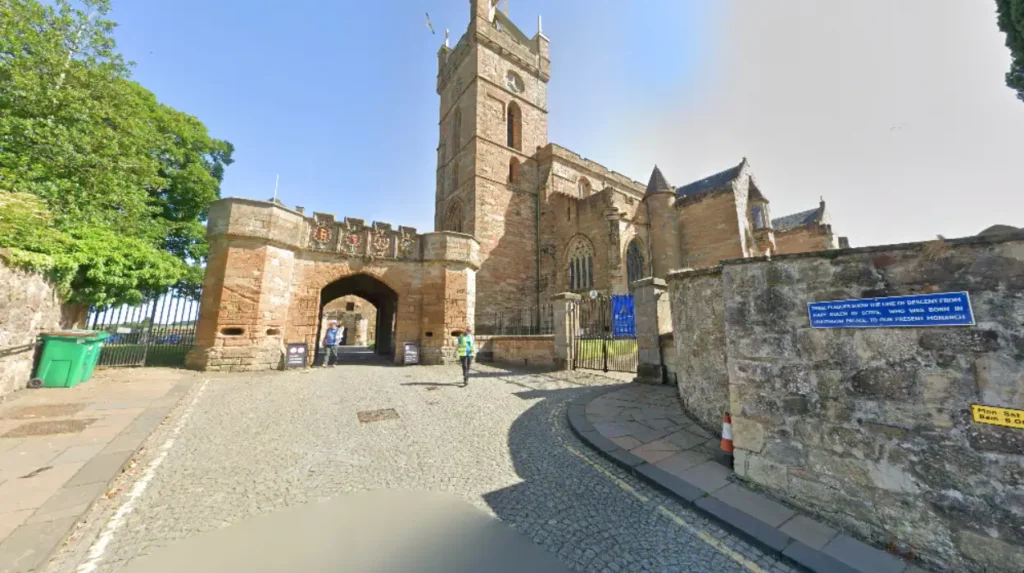
John Knox led the Protestant movement in Edinburgh through persuasive preaching, political drafting, and direct negotiations with monarchical authorities. His work on the First Book of Discipline shaped Scottish educational, religious, and welfare systems from Edinburgh.
John Knox returned to Scotland from Geneva in May 1559. His arrival galvanized Protestant resistance against the French-backed regency of Mary of Guise. Knox preached extensively in St Giles Cathedral, rallying urban leaders, merchants, and craft guilds to support the Reformation. His political writing justified armed resistance against rulers deemed idolatrous by Protestant reformers.
Knox engaged in public debates with Mary, Queen of Scots, at Holyrood Palace between 1561 and 1567. These confrontations centered on monarchical authority, personal religious practices, and the enforcement of Parliamentary decrees. Knox maintained that monarchs were subject to divine law and the decisions of the Scottish Parliament, challenging absolute royal sovereignty.
Knox drafted fundamental documents that structured the Church of Scotland. Working in Edinburgh, he co-authored the Scots Confession of 1560 and the First Book of Discipline. These foundational texts established a system of parish-based schools, university education standards, and poor relief funding mechanisms that defined Scottish society for generations.
How Did Parliament Legislation Solidify Protestant Power in Edinburgh?
The Reformation Parliament of August 1560 met in Edinburgh to pass legislation that banned the Latin Mass, abolished papal jurisdiction, and ratified the Scots Confession, establishing Protestantism as the official state religion.
The Scottish Parliament assembled in Edinburgh in August 1560 without royal sanction from Mary, Queen of Scots, who remained in France. Estate representatives, including nobles, burgesses, and lairds, gathered to determine the religious trajectory of the nation. The assembly reflected a shift in political power toward Protestant landowners and urban representatives.
Parliament enacted three decisive statutes that dismantled Catholic legal authority in Scotland. The first act abolished the authority of the Pope within the realm. The second act condemned all doctrines and sacraments contrary to the Protestant faith. The third act made the celebration or attendance of the Latin Mass punishable by confiscation of goods, exile, or death.
These legal acts established a new statutory framework for Scottish governance. The Scots Confession was formally adopted as the official statement of faith. By enacting these laws in Edinburgh, Parliament created an enforceable legal mandate that empowered local magistrates to seize church property and suppress Catholic worship throughout the country.
What Role Did Mary of Guise and Mary Queen of Scots Play in Edinburgh Struggles?
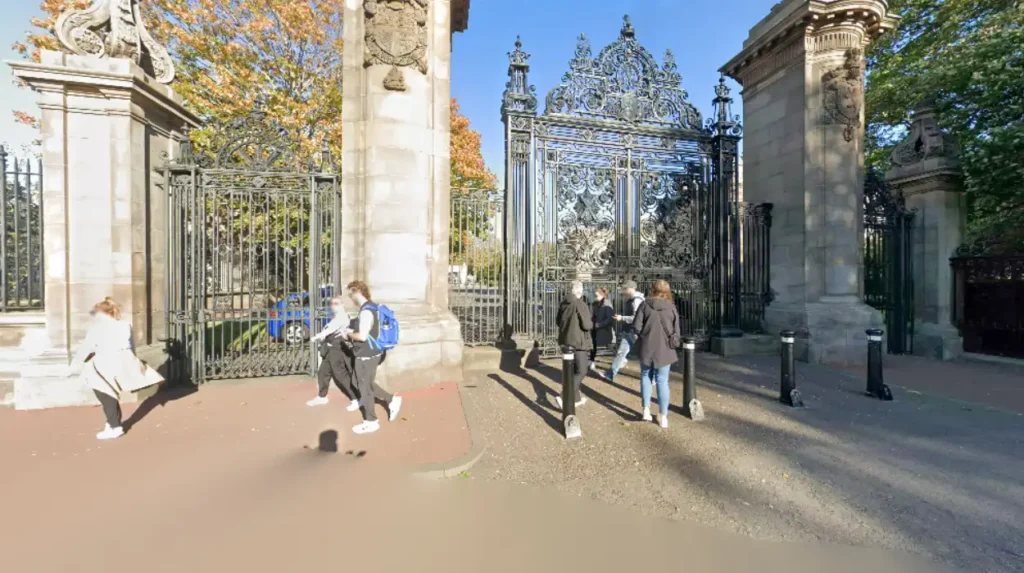
Mary of Guise and Mary, Queen of Scots, defended Catholic authority and French diplomatic alliances from their base in Edinburgh, leading to intense political clashes with Protestant reformers and civic leaders.
Mary of Guise served as Regent of Scotland from 1554 until her death in 1560. Operating from Edinburgh, she utilized French military forces to maintain royal authority and defend the Catholic Church. Her fortification of Leith, the port city of Edinburgh, precipitated a military siege by combined Scottish Protestant and English forces in 1560.
Her death at Edinburgh Castle in June 1560 destabilized French influence in Scotland. The Treaty of Edinburgh, signed in July 1560, required the withdrawal of both French and English troops. This diplomatic agreement allowed the Scottish Estates to convene the Reformation Parliament and establish Protestant dominance without foreign military intervention.
Mary, Queen of Scots, returned from France to Edinburgh in August 1561 to assume personal rule. As a practicing Catholic ruling a Protestant nation, her presence created continuous political friction. She maintained a private Catholic chapel at Holyrood Palace, triggering direct opposition from John Knox and Edinburgh Protestant leaders until her forced abdication in 1567.
How Did the Reformation Transform Edinburgh Civic and Social Life?
The Reformation reorganized Edinburgh’s social structures by converting Catholic church properties into civic assets, creating parish-level poor relief systems, and establishing the University of Edinburgh in 1582.
The abolition of monastic orders made extensive property holdings within Edinburgh available for secular and civic reallocation. The Town Council acquired lands previously held by Dominican and Franciscan friars. These properties were repurposed to create municipal facilities, including hospitals, almshouses, and public educational institutions.
Social welfare shifted from monastic charity to a structured municipal tax and parish relief system. The Edinburgh Kirk Session worked alongside civic magistrates to collect funds for destitute residents, orphans, and infirm citizens. Strict moral codes were enforced across the burgh, regulating public behavior, Sabbath observance, and marital disputes.
Educational development peaked with the founding of the University of Edinburgh in 1582. Established under a royal charter granted by King James VI, the university was funded directly by the Edinburgh Town Council. Unlike medieval universities founded by papal bulls, it operated as a civic institution dedicated to Protestant theology, law, and liberal arts.
What triggered the Scottish Reformation in Edinburgh?
The Scottish Reformation in Edinburgh was triggered by widespread corruption within the Catholic hierarchy, the influx of Lutheran and Calvinist literature through East Coast ports, and political opposition to French diplomatic dominance under the regent Mary of Guise.
Where did John Knox live while serving in Edinburgh?
John Knox lived in a townhouse on the High Street along the Royal Mile, known today as the John Knox House. From this location, he administered parish duties for St Giles Cathedral and wrote major political and religious treatises.
How did the Treaty of Edinburgh impact the Scottish Reformation?
The Treaty of Edinburgh in July 1560 forced the removal of both French and English troops from Scottish soil. This allowed the Scottish Parliament to meet independently in August 1560 and vote to abolish papal authority in Scotland.
Did Mary, Queen of Scots, stop the Reformation in Edinburgh?
No, Mary, Queen of Scots, was unable to stop the Reformation. Although she maintained personal Catholic worship at Holyrood Palace, she officially tolerated the Protestant establishment ratified by Parliament until her forced abdication in 1567.
Why was the founding of the University of Edinburgh unique during the Reformation?
The University of Edinburgh, founded in 1582, was unique because it was established via a charter from King James VI and funded directly by the Edinburgh Town Council rather than through a traditional papal bull.