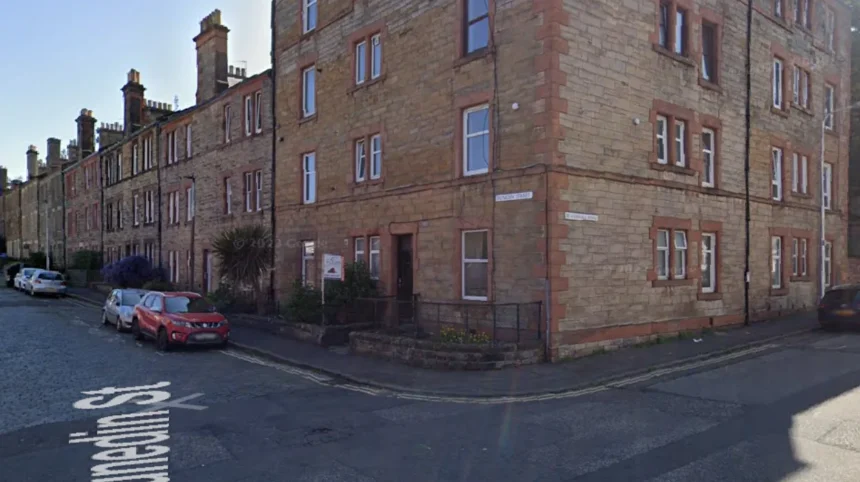
Commercial property in Edinburgh encompasses real estate assets used for business, retail, industrial, and leisure activities across Scotland’s capital city. The market splits into primary sectors including grade A office spaces, city centre retail, industrial estates, and purpose built student accommodation.
- What Factors Drive the Demand for Commercial Real Estate in Edinburgh?
- How Do Investors Navigate Leasing Structures and Property Laws in Scotland?
- What Are the Prime Commercial Locations Across Edinburgh?
- How Does Commercial Property Yield Compare Across Different Sectors?
- What Are the Main Challenges Facing Commercial Property Owners in Edinburgh?
- Frequently Asked Questions
- What is the average rent for commercial office space in central Edinburgh?
- How does Scottish commercial property tax differ from English property tax?
- Can historical buildings in Edinburgh be converted into modern commercial offices?
- What is the standard commercial lease duration in Edinburgh?
- Why is industrial property demand growing in West Edinburgh?
The market operates within a distinct statutory frame defined by Scottish property law. Commercial real estate in Edinburgh is categorized by asset class, location, and tenancy type. Office space dominates the city core, particularly around the Exchange District and St Andrew Square. Retail premises align along primary thoroughfares such as Princes Street, George Street, and the St James Quarter development. Industrial and logistics hubs are situated predominantly in the west and north, including Newbridge, Gyle, and Leith. Institutional investors, property companies, private high net worth individuals, and owner occupiers drive transaction volumes. Yield rates vary across sectors based on lease length, tenant covenant strength, and building sustainability ratings.
Historically, Edinburgh evolved from a traditional legal and banking centre into a technology and financial hub. The development of the New Town in the eighteenth century established early commercial layouts, while late twentieth century urban regeneration expanded office footprints westward. The establishment of the Scottish Parliament in 1999 accelerated institutional investment into municipal infrastructure and corporate headquarters. Modern developments incorporate strict sustainability standards mandated by Scottish building regulations and net zero emissions targets. Commercial leases in Scotland traditionally utilize long term agreements, often structured on a nineteen year or fifteen year basis with five year rent reviews. Understanding this structural framework allows investors to assess entry requirements, capital expenditure needs, and long term yield potentials effectively.
What Factors Drive the Demand for Commercial Real Estate in Edinburgh?
Demand for commercial real estate in Edinburgh is driven by a strong financial sector, expanding technology hubs, top tier universities, high tourism volumes, and steady population growth. These economic elements maintain low vacancy rates and sustain competitive commercial rental growth citywide.
The local economy produces high gross added value per worker, supported by corporate headquarters, asset management firms, and tech startups. Edinburgh University and Heriot-Watt University generate talent pipelines, attracting corporate entities seeking skilled workers in software engineering, life sciences, and artificial intelligence. Tourism creates sustained demand for hospitality assets, short stay accommodations, and city centre retail locations. International and domestic visitors contribute millions of pounds annually to retail and leisure turnover. Infrastructure investments, including the Edinburgh Tram network extension to Leith and Newhaven, enhance accessibility across commercial corridors, driving rental premiums along transport routes.
Global corporate migration toward environmental, social, and governance standards influences demand for modern real estate. Occupiers require energy efficient buildings with high Energy Performance Certificate ratings to meet corporate sustainability mandates. This requirement has created a supply imbalance for Grade A office space, as demand outpaces new speculative construction. The city constrained geography, bounded by the Firth of Forth and greenbelt designations, limits outward physical expansion. Consequently, prime commercial space experiences structural supply deficits, which protects capital values and ensures high occupational retention rates. Landlords who upgrade older secondary stock to modern environmental standards capture significant rental growth from relocating corporate tenants.
How Do Investors Navigate Leasing Structures and Property Laws in Scotland?
Navigating commercial leases in Scotland requires understanding distinct legal concepts such as missives, irritancy clauses, full repairing and insuring obligations, and statutory land taxes. Scottish property legislation operates independently from English law, governing lease negotiations, landlord rights, and asset transfers.

Commercial transactions begin with formal written offers and acceptances known as missives. Once missives are concluded, a legally binding contract exists. Scottish commercial leases typically utilize Full Repairing and Insuring terms, transferring maintenance, insurance, and operational costs to the tenant. Rent reviews usually occur at five year intervals and are structured on an upward only open market basis. Land and Buildings Transaction Tax applies to property acquisitions and long leases, calculated on sliding scale threshold rates set by the Scottish Parliament. Title registration takes place in the Land Register of Scotland, providing public, state guaranteed ownership records for commercial land and buildings.
Lease terminations and landlord remedies follow statutory procedures unique to Scotland. Landlords enforce lease performance through irritancy clauses, which allow lease termination upon tenant breach or insolvency, subject to legal notice requirements. Subletting and lease assignments require landlord consent, usually contingent on financial vetting of incoming assignees. Environmental regulations impose strict energy efficiency standards on commercial landlords, limiting the leasing of properties with poor performance ratings. Professional advice from Scottish commercial real estate solicitors, chartered surveyors, and tax specialists is standard practice to mitigate legal risks, ensure regulatory compliance, and structure tax efficient acquisitions across all commercial property transactions.
What Are the Prime Commercial Locations Across Edinburgh?
Prime commercial locations in Edinburgh include the Exchange District for financial services, George Street and St James Quarter for retail, Newbridge for industrial logistics, and Leith for creative and tech enterprises. Each geographic corridor caters to specific industry requirements.
The Exchange District functions as the primary financial hub, housing major banking, legal, and professional service institutions in modern office buildings. St Andrew Square and George Street combine high end office space with luxury retail and fine dining establishments. The St James Quarter provides over eight hundred thousand square feet of retail and leisure space, acting as a retail anchor for the city core. West Edinburgh, including the Gyle Business Park and Edinburgh Park, offers suburban office campuses with high parking ratios and direct access to the Edinburgh Airport and major motorway networks.
Industrial and logistics sectors concentrate along Western peripheral routes. Newbridge serves as a major distribution node due to its immediate access to the M8 and M9 motorways. Sighthill and Bilston offer light industrial, trade counter, and last mile delivery facilities servicing the broader Lothian region. Leith has transformed into a dynamic commercial hub, attracting technology firms, creative agencies, and food and beverage operators following urban regeneration and tram connectivity improvements. BioQuarter, located in the southeast, provides specialized laboratory and commercial research facilities for life science companies partnered with academic institutions. Evaluating these location dynamics ensures alignment between business operational needs and local commercial real estate capabilities.
How Does Commercial Property Yield Compare Across Different Sectors?
Commercial property yields in Edinburgh vary by sector, with industrial assets averaging four to five percent, prime offices yielding around five to six percent, and retail or hotel investments yielding between six and eight percent, depending on location and lease security.
Prime office yields reflect stable long term covenants from institutional tenants, corporate headquarters, and government bodies. Grade A office assets in the city centre command lower initial yields due to supply constraints, capital appreciation potential, and strong tenant demand. Industrial and logistics properties have seen yield compression in recent years, driven by e-commerce expansion and high tenant retention rates. Prime retail assets on George Street maintain lower yields than secondary suburban shopping parades, reflecting higher footfall, turnover potential, and brand prestige associated with central locations.
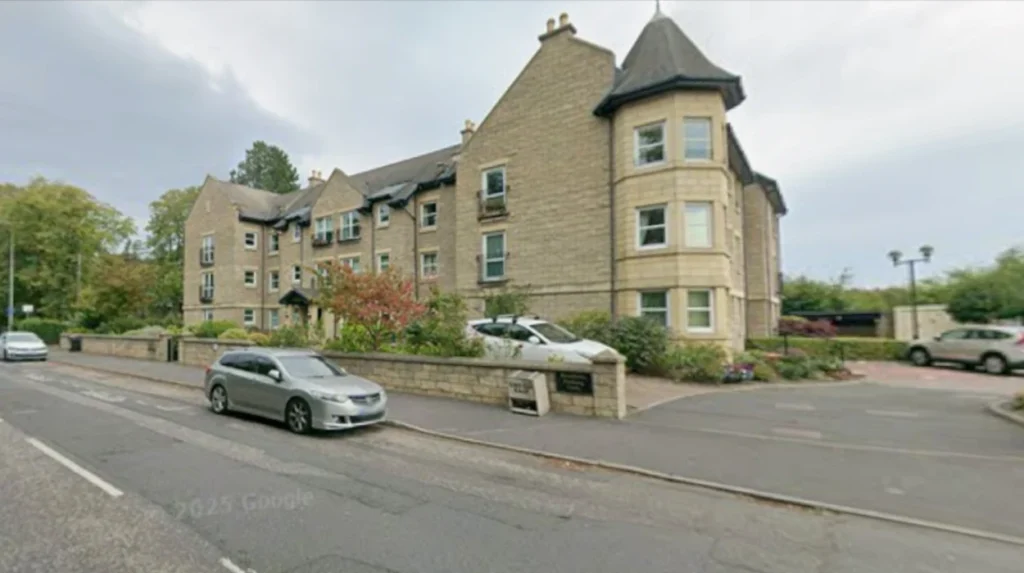
Alternative commercial sectors, including purpose built student accommodation, hotels, and healthcare facilities, offer competitive yield profiles. Purpose built student accommodation generates stable returns supported by high student enrollments and limited university housing capacity. Hotel assets benefit from Edinburgh status as a year round cultural and business destination, driving high average daily rates and revenue per available room. Investors analyze net yields by deducting acquisition costs, legal fees, land taxes, and ongoing management expenses from gross rental income. Comparing yield performance across sectors enables institutional and private investors to construct balanced real estate portfolios tailored to specific risk tolerances and return metrics.
What Are the Main Challenges Facing Commercial Property Owners in Edinburgh?
Main challenges include strict heritage conservation laws, rising construction costs, stringent environmental regulations, shifting working patterns, and high land acquisition taxes. Managing these factors requires proactive asset management, energy retrofitting, and flexible leasing strategies.
A major portion of central Edinburgh resides within UNESCO World Heritage sites, imposing strict planning restrictions on building alterations, redevelopments, and facade modifications. Planning approval processes managed by the City of Edinburgh Council involve detailed scrutiny to preserve historical architectural integrity. Rising construction and labor costs increase the capital required for building refurbishments and new developments. Furthermore, changing workplace trends toward hybrid working have modified corporate space requirements, leading occupiers to consolidate into smaller, higher quality, highly efficient office footprints, which leaves older secondary office space vulnerable to higher vacancy rates.
Environmental regulations present operational challenges for owners of legacy commercial buildings. The Scottish Government net zero targets require commercial properties to meet minimum energy performance standards, necessitating investment in heat pumps, insulation, LED lighting, and smart building management systems. High land and buildings transaction tax rates increase upfront transaction costs compared to other regions. Property owners address these challenges by redeveloping secondary office spaces into residential or hotel uses through adaptive reuse strategies. Engaging with planning consultants, heritage specialists, and energy assessors allows commercial landlords to navigate statutory obstacles, maintain asset value, and secure long term tenant occupancy.
Frequently Asked Questions
What is the average rent for commercial office space in central Edinburgh?
Prime Grade A office rent in central Edinburgh ranges between £40 and £45 per square foot annually. Secondary office space in central locations typically costs between £25 and £35 per square foot. Rates depend on building energy efficiency, amenities, and proximity to transport hubs.
How does Scottish commercial property tax differ from English property tax?
Scotland uses Land and Buildings Transaction Tax instead of Stamp Duty Land Tax used in England. Rates are calculated on progressive threshold bands for non-residential transactions. Additionally, non-domestic rates are assessed by local valuation joint boards using Scottish rate poundage multipliers.
Can historical buildings in Edinburgh be converted into modern commercial offices?
Yes, historical buildings can be converted into modern commercial space, but strict planning regulations apply. Changes to listed buildings or properties within UNESCO conservation zones require Listed Building Consent. Renovations must preserve external heritage features while upgrading internal systems to modern standards.
What is the standard commercial lease duration in Edinburgh?
Standard commercial lease durations in Edinburgh typically range from five to ten years. Longer leases of fifteen to nineteen years are common for prime institutional assets or anchor tenants. Most leases include five year upward only rent review clauses and full repairing obligations.
Why is industrial property demand growing in West Edinburgh?
West Edinburgh offers direct transport access to the M8 and M9 motorways, Edinburgh Airport, and the city bypass. Growth in e-commerce, last mile logistics, and trade counter distribution drives high demand. Limited available land in this area keeps vacancy rates low and rental values stable.