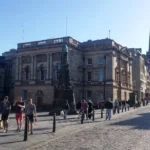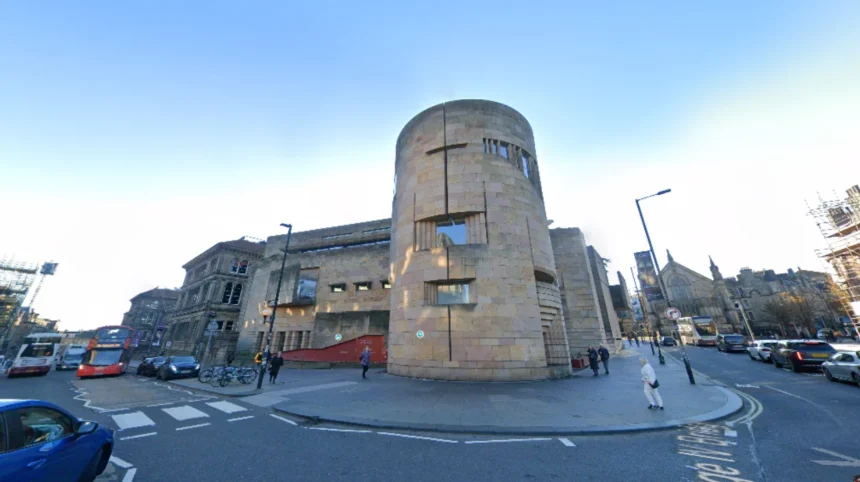
National legislative frameworks mandate free permanent exhibition access across state-funded Scottish heritage institutions. Public funding mechanisms ensure that core collections remain open to international and local visitors without mandatory admission charges, regardless of shifting municipal policies.
- What strategies optimize entry times and minimize crowd density at free Edinburgh museums?
- How do visitors identify permanent free exhibits versus paid special installations?
- How can travelers structure efficient walking routes between cluster venues?
National public policy in Scotland guarantees free access to the permanent collections of major museums and art galleries. The Scottish Government provides direct grant-in-aid funding to national cultural institutions to eliminate general entry fees. This statutory model operates independently of local municipal budget changes, ensuring that core historical exhibits, scientific collections, and fine art displays remain permanently accessible to the public.
Municipal institutions funded by local council allocations, such as the City of Edinburgh Council museums, follow similar operational guidelines to maintain open access. Public funding strategies prioritize broad civic engagement, educational access, and cultural preservation over direct ticket revenue. While special temporary exhibitions, targeted commercial workshops, and audio guide rentals often carry separate fees, the primary exhibition spaces housing historical artifacts stay open without financial barriers.
Understanding the structure of national and civic cultural budgets helps visitors navigate facilities without incurring expenses. Permanent collection displays account for over seventy percent of total museum floor space in institutions like the National Museum of Scotland and the Scottish National Gallery. Knowing that statutory guarantees cover these core areas allows travelers to plan extensive visits without purchasing special tickets.
What strategies optimize entry times and minimize crowd density at free Edinburgh museums?
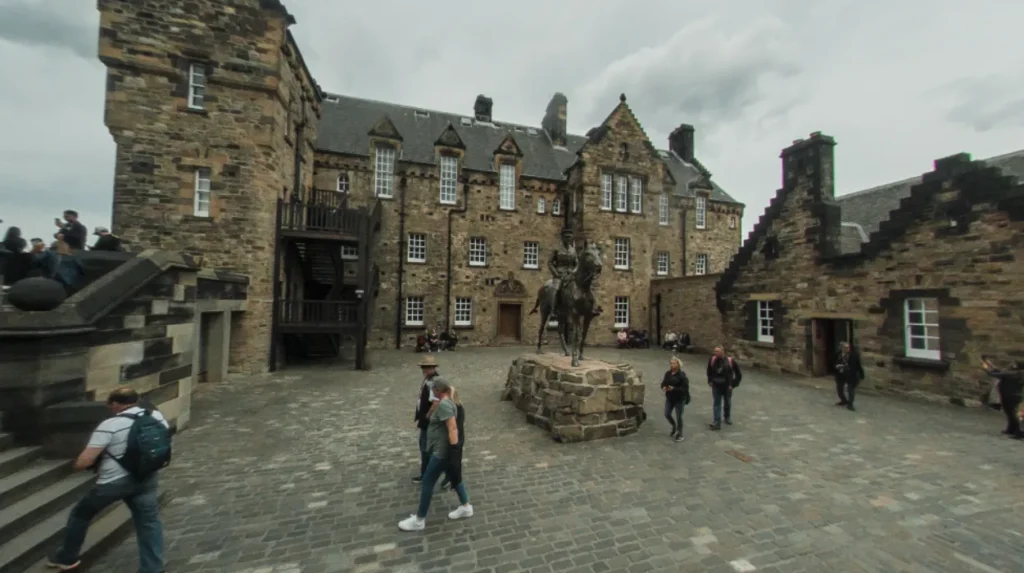
Visiting during off-peak hours, targeting early weekday mornings, and utilizing off-season travel windows drastically reduce wait times. Strategic arrival schedules allow visitors to bypass long queues and experience major collections under optimal viewing conditions.
Visitor volume at major public institutions peaks between eleven in the morning and three in the afternoon, particularly on weekends and during summer peak months. Arriving within fifteen minutes of opening time guarantees immediate entry and quiet gallery conditions. Most national venues open doors at ten in the morning, providing a two-hour window of low crowd density before tour groups arrive.
Late afternoon visits offer another effective option for avoiding large crowds. Entering a venue after three in the afternoon provides quieter viewing conditions, as educational school groups and morning tour parties typically depart by early afternoon. Off-season timing between November and March further reduces total daily visitor counts by up to sixty percent compared to August festival peaks.
Navigating multi-floor institutions requires a top-down movement strategy to avoid bottlenecking at main entrances. Elevators or stairs take visitors directly to upper galleries or specialized sub-collections, such as roof terraces or niche archives. Moving against the flow of general foot traffic ensures a more comfortable viewing experience while remaining entirely within free-access public zones.
How do visitors identify permanent free exhibits versus paid special installations?
Clear signage, spatial boundaries, and distinct ticketing checkpoints separate general access zones from paid temporary exhibitions. Permanent collection halls occupy primary central spaces, while temporary installations require valid pre-booked tickets for entry.
Museum footprints follow precise layouts that divide open public space from restricted commercial areas. Core galleries display permanent historical, scientific, and artistic holdings. Key examples include the Grand Gallery on Chambers Street, which houses the Millennium Clock and Dolly the Sheep, and the main display halls along the Royal Mile. Access to these zones requires no pre-purchased tickets or entry validation.
Temporary special exhibitions operate within enclosed, staff-monitored gallery spaces. These displays feature loaned artifacts, touring international collections, or high-security displays requiring specialized climate control and additional insurance. Ticket scanners or staff desks mark the entry points to temporary halls, clearly distinguishing them from surrounding free galleries.
Visitors can navigate these boundaries smoothly by checking informational maps at the main entry hubs. Physical gallery guides and floor plans highlight free permanent zones using color-coded legends. Staff members at information desks also provide precise verbal directions to help guests bypass paid exhibits while exploring all permanent galleries.
How can travelers structure efficient walking routes between cluster venues?
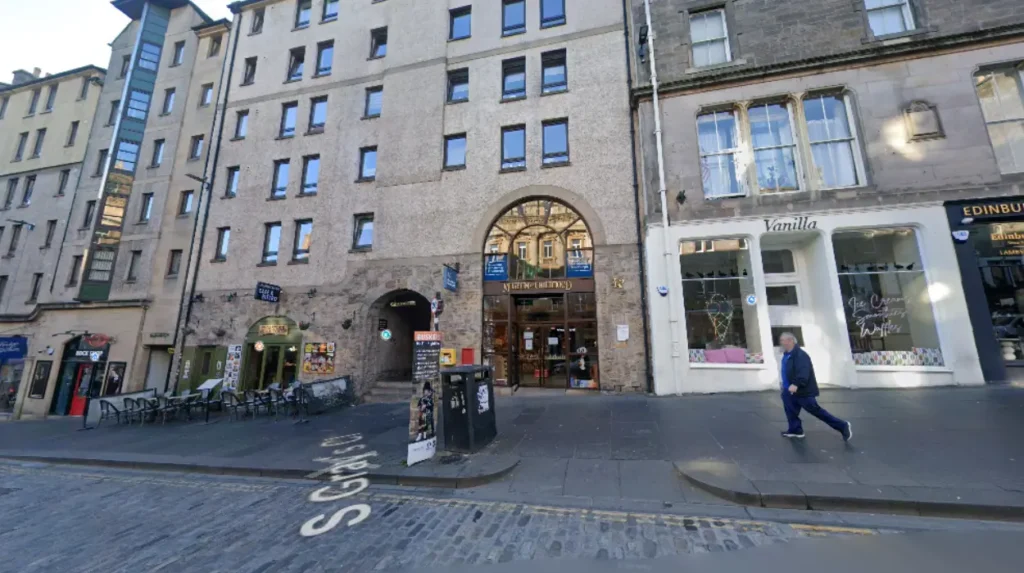
Grouping geographic museum clusters along historic thoroughfares minimizes transit time and physical fatigue. Old Town, New Town, and West End districts feature tightly grouped institutions reachable via short walking paths.
The Royal Mile cluster contains several high-density local history and cultural sites within a three-hundred-meter radius. Venues like the Writers’ Museum in Lady Stair’s Close, the Museum of Childhood, the People’s Story Museum, and the Museum of Edinburgh lie within brief walking distance of one another. Walking this linear route allows visitors to explore four distinct heritage locations in a single morning without paying for transit.
The Old Town central cluster pairs major multi-disciplinary sites like the National Museum of Scotland on Chambers Street with nearby literary and archival institutions. Crossing the North Bridge connects visitors directly to the New Town art cluster. Here, the Scottish National Gallery on The Mound and the Scottish National Portrait Gallery on Queen Street offer world-class visual arts access along an easy, direct pedestrian path.
Planning walking itineraries around urban topography ensures efficient physical transit through the city. Urban paths in Edinburgh feature steep gradient changes between the Old Town ridge and New Town valleys. Selecting routes that proceed downhill along street cuts or multi-level pedestrian bridges keeps travel comfortable and conserves time between venue visits.
What policy-agnostic digital resources and archive access tools enhance free visits?
Open-access digital archives, downloadable mobile floor plans, and public Wi-Fi networks provide rich context without requiring paid guided services. Utilizing digital tools allows visitors to access expert commentary and collection metadata at no cost.
Public heritage institutions offer open digital catalogs accessible through personal mobile devices. Institutional Wi-Fi networks allow visitors to scan artifact quick-response codes, unlocking deep archival records, conservation reports, and detailed histories. Accessing these materials digitally replaces the need to rent physical audio devices or purchase printed guidebook materials.
Independent scholarly databases and public library records provide comprehensive background context on display items. The National Library of Scotland offers public digital access to historical maps, rare manuscripts, and regional newspapers. Reviewing these digital collections before entering physical venues deepens understanding of exhibits, including urban development artifacts, industrial tools, and medieval documents.
Open-source mapping applications help users plan customized, self-guided tours across multiple collection sites. Integrating custom GPS waypoints allows visitors to locate hidden venue entrances, accessible ramps, and free public amenities. Leveraging digital mapping ensures efficient movement through complex historical structures and labyrinthine urban closes.
What auxiliary amenities and hidden public spaces exist inside free venues?
Free access institutions offer extensive public amenities, including climate-controlled seating, panoramic view platforms, and architectural study halls. These public spaces provide comfort and educational value without requiring retail or cafe purchases.
Major venue designs incorporate spacious indoor public courtyards and viewing decks open to all visitors. The roof terrace at the National Museum of Scotland offers panoramic views of Edinburgh Castle, the Old Town skyline, and the volcanic formations of Arthur’s Seat. Access to this elevated platform remains completely free via central elevators, providing scenic viewpoints without expensive observation deck tickets.
Resting areas, indoor study benches, and water refill stations line the circulation hallways of primary galleries. Historic building spaces, such as the Victorian Grand Gallery atrium or the Great Hall of the Portrait Gallery, feature built-in seating where visitors can rest and admire surrounding architecture. Guests are welcome to sit and enjoy these environments without making purchases at museum cafes.
Dedicated research rooms and reading spaces offer additional quiet locations within public cultural buildings. These spaces allow visitors to study regional histories, review reference texts, or use secure public facilities during opening hours. Utilizing these amenities ensures a comfortable, educational visit without extra costs.
What are the main free museums to visit in Edinburgh?
The National Museum of Scotland, Scottish National Gallery, Scottish National Portrait Gallery, and several Royal Mile museums offer free entry. Visitors can explore world-class collections without purchasing tickets.
Do you need to book advance tickets for free museums?
Most permanent collections do not require advance booking for general entry. Visitors can walk in directly during opening hours, though temporary exhibitions may require separate tickets.
Are there free museum options suitable for families and children?
The Museum of Childhood and the National Museum of Scotland feature interactive exhibits for children. These family-friendly spaces offer educational activities free of charge.
How much time should be allocated for visiting major free venues?
Large national venues require two to three hours for a complete visit. Smaller historical sites along the Royal Mile can be toured in forty-five to sixty minutes.
Are free public facilities available inside the institutions?
Venues provide free restrooms, water refill points, public seating, and rooftop view platforms. Visitors can use these amenities without paying extra fees.