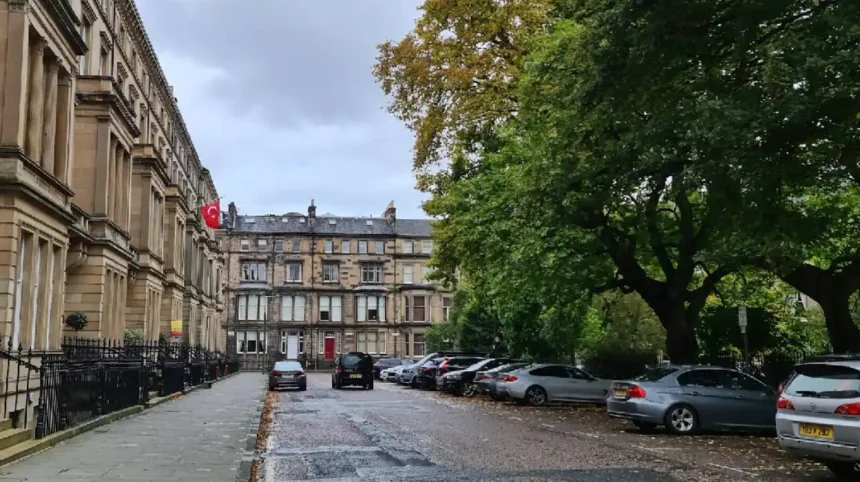
Edinburgh is home to many historic streets, but Drumsheugh Gardens stands out for its elegant Victorian architecture, peaceful surroundings, and prestigious location. Situated in the city’s West End, the street combines architectural heritage with modern residential living. It has long attracted professionals, diplomats, and visitors seeking one of Edinburgh’s most desirable addresses.
- What is Drumsheugh Gardens Edinburgh?
- Why is Drumsheugh Gardens historically significant?
- What architectural features define Drumsheugh Gardens?
- Where is Drumsheugh Gardens located in Edinburgh?
- What is it like to live in Drumsheugh Gardens Edinburgh?
- What attractions are close to Drumsheugh Gardens Edinburgh?
- How has the property market developed in Drumsheugh Gardens Edinburgh?
- Why does Drumsheugh Gardens remain important today?
- Frequently Asked Questions
The area reflects Edinburgh’s nineteenth-century urban expansion and remains an important example of planned residential development. Large sandstone townhouses, landscaped gardens, and proximity to the city centre continue to define its character. Today, Drumsheugh Gardens remains a landmark residential street that showcases Edinburgh’s architectural and cultural heritage.
What is Drumsheugh Gardens Edinburgh?
Drumsheugh Gardens Edinburgh is a prestigious Victorian residential street in Edinburgh’s West End. It is recognised for its grand sandstone townhouses, landscaped surroundings, historic significance, excellent transport connections, and proximity to the city’s financial district, cultural attractions, and UNESCO-listed heritage areas.
Drumsheugh Gardens is located west of Princes Street within Edinburgh’s West End conservation area. The street forms part of the wider Drumsheugh district, an area developed during the late nineteenth century as Edinburgh expanded beyond its medieval Old Town and Georgian New Town.
The neighbourhood contains large Victorian townhouses constructed primarily from locally quarried sandstone. Many buildings have been converted into luxury apartments, boutique offices, embassies, and private residences while preserving their original architectural appearance.
Its location provides convenient access to Haymarket Station, the financial district, Dean Village, the Water of Leith, and Edinburgh’s shopping and entertainment areas. Residents benefit from both urban convenience and quiet residential surroundings.
Drumsheugh Gardens is widely regarded as one of Edinburgh’s premium residential streets because of its architecture, location, and historical character. Strict conservation policies help preserve the appearance of the buildings and surrounding landscape.
Why is Drumsheugh Gardens historically significant?
Drumsheugh Gardens represents Edinburgh’s Victorian expansion during the nineteenth century. The street reflects planned urban development, architectural innovation, and residential growth that transformed the city into one of Britain’s leading commercial, cultural, and administrative centres.
Before development, the surrounding land consisted mainly of open estates and agricultural fields located west of Edinburgh’s Georgian New Town. Rapid population growth created demand for high-quality residential districts close to the city centre.
Construction accelerated during the late Victorian period as architects designed spacious homes for wealthy merchants, lawyers, doctors, and business owners. The neighbourhood reflected growing prosperity throughout Scotland during industrial expansion.
Many original buildings retain decorative stone carvings, bay windows, ornate entrances, wrought iron railings, and traditional slate roofs. These features remain protected through conservation regulations that preserve Edinburgh’s historic streetscape.
The wider West End became an important commercial and residential district while maintaining its elegant appearance. Today, Drumsheugh Gardens remains a valuable part of Edinburgh’s architectural heritage and contributes to the city’s international reputation.
What architectural features define Drumsheugh Gardens?
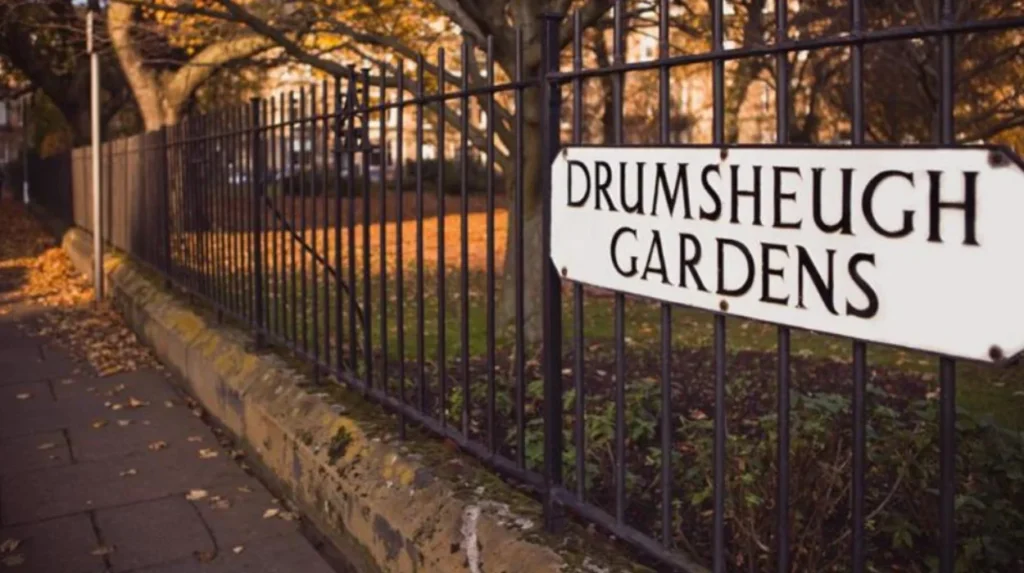
Drumsheugh Gardens is defined by Victorian sandstone townhouses, decorative stonework, symmetrical façades, bay windows, slate roofs, ornate entrances, and landscaped streets. These architectural features demonstrate high-quality nineteenth-century craftsmanship that continues to shape Edinburgh’s historic identity.
Most buildings follow Victorian architectural principles emphasising symmetry, durability, and decorative detailing. Locally sourced sandstone creates the distinctive warm appearance associated with many historic Edinburgh neighbourhoods.
Large sash windows maximise natural light while maintaining elegant proportions. Decorative cornices, carved lintels, and stone balustrades add visual interest without overwhelming the overall design.
Many homes include spacious internal staircases, high ceilings, original fireplaces, timber flooring, and period mouldings. Renovations generally preserve these historic features while incorporating modern energy-efficient systems and contemporary interiors.
Street landscaping complements the architecture through mature trees, traditional paving, and carefully maintained gardens. Together these elements create one of the city’s most attractive residential environments.
Where is Drumsheugh Gardens located in Edinburgh?
Drumsheugh Gardens occupies a central position within Edinburgh’s West End, offering convenient access to business districts, railway services, shopping streets, cultural attractions, parks, and historic neighbourhoods while maintaining a peaceful residential atmosphere.
The street lies within walking distance of Princes Street, Charlotte Square, Haymarket Station, and the Edinburgh International Conference Centre. This central location supports both residential living and business activity.
Residents enjoy quick access to public transport, including buses, trams, and regional rail services connecting Edinburgh with Glasgow, Aberdeen, Inverness, and London.
Nearby green spaces include Dean Gardens and the Water of Leith Walkway, offering opportunities for walking, cycling, and recreation close to the city centre.
The neighbourhood also benefits from excellent access to restaurants, cafés, museums, galleries, healthcare facilities, and educational institutions, making it one of Edinburgh’s most convenient residential locations.
What is it like to live in Drumsheugh Gardens Edinburgh?
Living in Drumsheugh Gardens offers residents a combination of historic surroundings, modern convenience, and excellent connectivity. The neighbourhood provides spacious Victorian homes, access to green spaces, nearby business districts, quality amenities, and a peaceful atmosphere within Edinburgh’s bustling city centre.
Drumsheugh Gardens has earned a reputation as one of Edinburgh’s most desirable residential streets because of its quiet environment and prestigious location. Despite being only a short walk from the city’s commercial centre, the area remains calm with relatively low traffic compared to nearby main roads.
Many residents work in Edinburgh’s financial district, legal sector, education institutions, and healthcare services. International professionals, university staff, retirees, and long-term residents contribute to a diverse and stable community. The neighbourhood also attracts buyers looking for historic homes with modern comforts.
The surrounding West End offers cafés, restaurants, art galleries, fitness centres, supermarkets, and independent shops within walking distance. Residents also enjoy convenient access to cultural venues including theatres, museums, and annual events such as the Edinburgh Festival Fringe and the Edinburgh International Festival.
Green spaces add significantly to the area’s quality of life. Dean Village, the Water of Leith Walkway, and nearby public gardens provide opportunities for walking, jogging, cycling, and relaxation without leaving the city centre.
What attractions are close to Drumsheugh Gardens Edinburgh?
Drumsheugh Gardens sits near many of Edinburgh’s most famous attractions. Residents and visitors can easily reach historic landmarks, cultural institutions, shopping districts, public parks, and scenic walking routes within a short distance from the neighbourhood.
One of the closest attractions is Dean Village, a beautifully preserved historic milling settlement located along the Water of Leith. The peaceful riverside setting offers attractive walking routes and outstanding photography opportunities throughout the year.
Princes Street, George Street, and Charlotte Square are also nearby. These locations feature luxury shopping, restaurants, historic architecture, public gardens, and seasonal events that attract both residents and international tourists.
The Scottish National Gallery of Modern Art is located only a short distance away and displays internationally recognised collections of paintings, sculptures, photography, and contemporary exhibitions. Visitors can also enjoy landscaped gardens surrounding the gallery buildings.
Edinburgh Castle, the Royal Mile, Calton Hill, and Holyrood Park are easily accessible by public transport or on foot, allowing visitors to explore many of Scotland’s most significant historic landmarks during a single visit.
How has the property market developed in Drumsheugh Gardens Edinburgh?
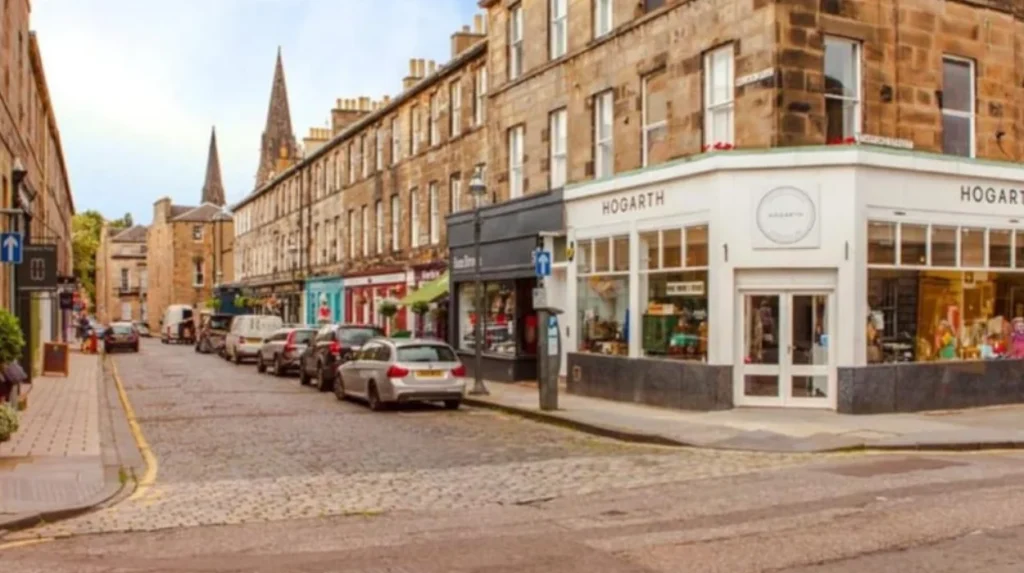
The property market in Drumsheugh Gardens remains among the strongest in Edinburgh because of limited housing supply, protected historic buildings, excellent location, and consistent demand from professionals, families, and international buyers seeking premium residential properties.
Many original Victorian townhouses have been carefully restored while preserving their historic appearance. Some buildings remain single-family homes, whereas others have been converted into luxury apartments that retain original architectural features such as fireplaces, ornate ceilings, and grand staircases.
Property values in the West End consistently rank among the highest in Edinburgh due to strong demand and the area’s conservation status. Buyers often prioritise neighbourhoods that combine architectural heritage with easy access to employment, education, and transport.
Strict planning regulations help protect the historic character of the street by controlling external alterations and encouraging sympathetic restoration. These conservation measures help preserve long-term property value while maintaining the area’s distinctive appearance.
Rental demand also remains strong because professionals relocating to Edinburgh often seek high-quality accommodation close to the financial district, Haymarket Station, and the city centre.
Why does Drumsheugh Gardens remain important today?
Drumsheugh Gardens continues to represent Edinburgh’s architectural heritage while supporting modern residential life. Its preserved Victorian buildings, central location, cultural significance, and protected environment ensure that it remains one of the city’s most valued historic neighbourhoods.
The street demonstrates how historic urban planning can remain functional for modern communities without sacrificing architectural integrity. Careful conservation allows buildings to meet contemporary living standards while preserving their original design.
Tourism also contributes to the area’s importance. Visitors exploring Edinburgh’s West End frequently admire the elegant streetscape and Victorian architecture before continuing to nearby attractions such as Dean Village and Princes Street.
Local authorities continue investing in transport infrastructure, public spaces, and heritage conservation throughout the surrounding West End. These improvements strengthen the area’s long-term attractiveness for residents, businesses, and visitors alike.
As Edinburgh continues to grow internationally as a centre for finance, education, tourism, and technology, Drumsheugh Gardens remains a lasting symbol of the city’s ability to preserve its historic identity while supporting modern urban life.
Drumsheugh Gardens Edinburgh is far more than a prestigious residential street. It represents an important chapter in Edinburgh’s Victorian expansion and continues to showcase outstanding architectural design, conservation, and urban planning. Its sandstone townhouses, landscaped surroundings, and central location create one of the city’s most attractive residential environments.
Today, the neighbourhood combines historic character with modern convenience. Residents benefit from excellent transport links, access to green spaces, nearby cultural attractions, and a thriving city centre. Visitors appreciate its elegant streetscape and proximity to some of Edinburgh’s best-known landmarks.
For anyone interested in Edinburgh’s history, architecture, property market, or lifestyle, Drumsheugh Gardens offers an excellent example of how heritage and contemporary living successfully coexist in one of Scotland’s most celebrated cities.
Frequently Asked Questions
Is Drumsheugh Gardens a good place to stay when visiting Edinburgh?
Yes. The area provides a quiet environment while remaining within walking distance of Princes Street, Haymarket Station, Dean Village, and many major attractions. Visitors enjoy excellent transport connections and easy access to restaurants and cultural sites.
Why are homes in Drumsheugh Gardens so expensive?
Properties command premium prices because of their Victorian architecture, protected conservation status, central location, and limited housing supply. Strong buyer demand has supported property values for many years.
Can visitors walk from Drumsheugh Gardens to Edinburgh Castle?
Yes. Edinburgh Castle is within comfortable walking distance for most visitors. The route also passes through Princes Street and several historic areas, making the walk an enjoyable sightseeing experience.
Is Drumsheugh Gardens part of Edinburgh’s Old Town?
No. Drumsheugh Gardens is located in Edinburgh’s West End. It developed during the Victorian period after the construction of the Georgian New Town and forms part of the city’s later urban expansion.
What makes Drumsheugh Gardens different from other Edinburgh streets?
Its combination of grand Victorian townhouses, conservation protection, landscaped surroundings, and central location distinguishes it from many other residential streets. It successfully combines architectural heritage with modern city living.