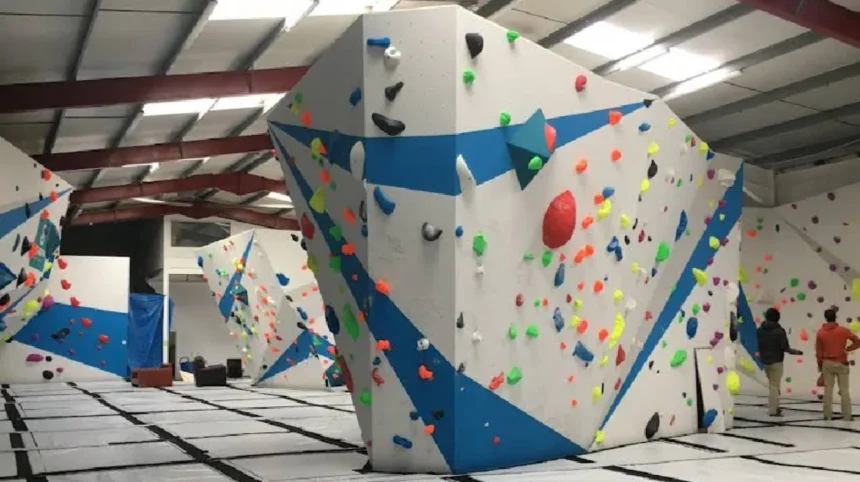
Eden Rock Edinburgh is an indoor athletic facility designed specifically for bouldering, which is a form of rock climbing performed without ropes or harnesses over safety mats. The center is located within the Edgefield Road Industrial Estate in Loanhead, Midlothian, positioning it just south of the city bypass. The facility provides a controlled indoor environment where individuals scale synthetic climbing structures using color-coded handholds and footholds. It operates as a commercial athletic hub open to the general public, catering to diverse demographics ranging from youth participants to elite competitive athletes.
The structural layout of the building is divided into expansive distinct spaces to minimize crowding. The primary zones include a major adult bouldering hall, a specialized kids room, a physical fitness training space, and an administrative reception area. The training space features specialized athletic equipment such as campus boards, fingerboards, circuit boards, and standard free weights. Each zone serves a specific athletic or operational function, allowing recreational climbers and serious trainees to utilize the facility simultaneously without spatial conflict.
What is the History and Background of the Facility?
Eden Rock Edinburgh Limited was officially incorporated as a corporate entity on June 9, 2017, to establish a world-class indoor bouldering infrastructure in Scotland. The facility was designed to replicate the successful operational model of its sister center located in Carlisle, England. The founders recognized a significant regional demand for dedicated low-level climbing facilities within the Lothian region. By converting a large industrial warehouse, the company secured the necessary square footage and vertical clearance required to build expansive, modern climbing structures.

The facility grew rapidly to become recognized as the largest indoor bouldering center in Scotland. Over its years of operation, the center has expanded its internal circuit structures to feature more than 300 distinct climbing problems at any given time. This expansion required consistent infrastructure investment and a dedicated team of routesetters to maintain dynamic athletic content. The historical development of the venue reflects the broader international growth of bouldering as an independent sport, which culminated in its inclusion in the Olympic Games.
What are the Main Components of the Climbing Infrastructure?
The infrastructure consists of large, engineered wooden climbing walls built at various angles to test different physical capabilities. The main wall profiles include vertical slabs, steep overhangs, roofs, and large top-out boulders that allow participants to climb over the peak onto an elevated platform. Underneath all climbing surfaces sits an integrated system of thick, high-density foam crash mats designed to absorb the impact of falls. The individual climbing routes, known as problems, are distinguished entirely by the color of the synthetic resin holds bolted to the walls.
The grading system uses specific color bands to indicate the difficulty level of each circuit, allowing participants to track progress. The facility maintains separate training tools for advanced finger strength, including System Boards and MoonBoards, which utilize standardized hold layouts for targeted physical development. The physical footprint also includes an eco-friendly cafe that overlooks the main climbing arena, allowing spectators and parents to monitor activity. A specialized retail shop is integrated into the reception space, stocking essential climbing gear such as chalk bags, brushes, and specialized footwear.
How Does the Safety and Induction Process Work?
Safety protocols dictate that every participant must complete an official registration and liability disclaimer before accessing the climbing mats. Inexperienced adult climbers must undergo a formal safety induction course conducted by a qualified internal instructor. The standard induction session lasts exactly 60 minutes and covers essential bouldering etiquette, fall techniques, and risk mitigation strategies. Participants learn to identify their physical limits and navigate the mat zones safely without stepping beneath other active climbers.
James Gibson
Experienced climbers who visit the venue can bypass the mandatory induction by completing a verbal competency assessment at the reception desk. The staff members ask targeted operational questions regarding safety rules, mat safety, and facility regulations to verify independent competence. For younger demographics, specific age restrictions apply, requiring children under the age of 14 to be directly supervised by a registered adult member. Junior climbers aged 14 to 17 can obtain independent climbing privileges by completing a specialized junior competency assessment with an instructor.
What Programs and Services are Available for Members?
The facility offers structured athletic programs designed to improve climbing technique, physical fitness, and community engagement for all age groups. Regular instructional classes include dedicated adult technique sessions, beginner coaching, and targeted physical training workshops led by certified coaches. The center organizes weekly community events, such as Ladies Nights and dedicated social climbing evenings, to encourage participation among minority athletic groups. These structured events provide instructional guidance alongside a social framework, lowering the entry barrier for new participants.
Youth development is facilitated through structured kids clubs and progressive coaching curriculums starting for children aged 5 and older. The youth programs break down into age-appropriate categories, focusing on balance, spatial awareness, and basic climbing mechanics through active games. During academic holiday periods, the center schedules regular holiday drop-in sessions and intensive youth camps to provide consistent regional childcare and athletic engagement. Private coaching services are also accessible for competitive athletes who require personalized movement analysis and specific energy system training plans.
What is the Economic and Regional Impact of the Centre?
The establishment of this large-scale athletic facility has positively impacted the local economy of Midlothian and the wider sports ecosystem of Edinburgh. The center provides direct employment opportunities for local residents, including full-time management roles, professional routesetters, instructional coaches, and cafe staff. It draws consistent domestic tourism to the Edgefield Road Industrial Estate, benefiting neighboring businesses and transport networks. The inclusion of an on-site retail shop and cafe ensures that a portion of consumer sport spending remains within the local municipal economy.
On a broader scale, the facility strengthens the athletic infrastructure of Scotland by providing a reliable winter training venue for outdoor climbers. The center reduces the pressure on fragile outdoor rock climbing sites across the country by providing an accessible, high-volume indoor alternative. This shift helps mitigate environmental erosion at historical bouldering crags while fostering a safe, regulated environment for physical education. The venue acts as a foundational incubator for regional youth talent, directly supporting the long-term growth of competitive climbing in the United Kingdom.
Related Article: Discover more about local athletic events and timing schedules by reading our comprehensive guide on the Edinburgh marathon results and regional athletic updates.
FAQs About Eden Rock Edinburgh
What are the entry prices for a single climbing session?
Standard single entry for an adult costs 10.00 pounds during peak times and 8.50 pounds during off-peak hours. Concession prices are available for students, senior citizens, and children. Rental climbing shoes are available at the front desk for an additional fee of 3.00 pounds for adults.
Do you need to book a session in advance to climb?
Experienced climbers who have completed their registration do not need to book a time slot in advance to access the gym. Inexperienced individuals who require an instructor-led induction course must reserve their specific session online before arrival. The venue operates on a walk-in basis subject to overall capacity limits.
What should a beginner wear for their first bouldering visit?
Beginners must wear comfortable, loose-fitting athletic clothing that allows for a full range of physical movement. Baggy clothing is discouraged as it can snag on the protruding synthetic climbing holds during movement. All rings, watches, and dangling jewelry must be removed prior to stepping onto the mats.
Is there dedicated parking available at the Midlothian facility?
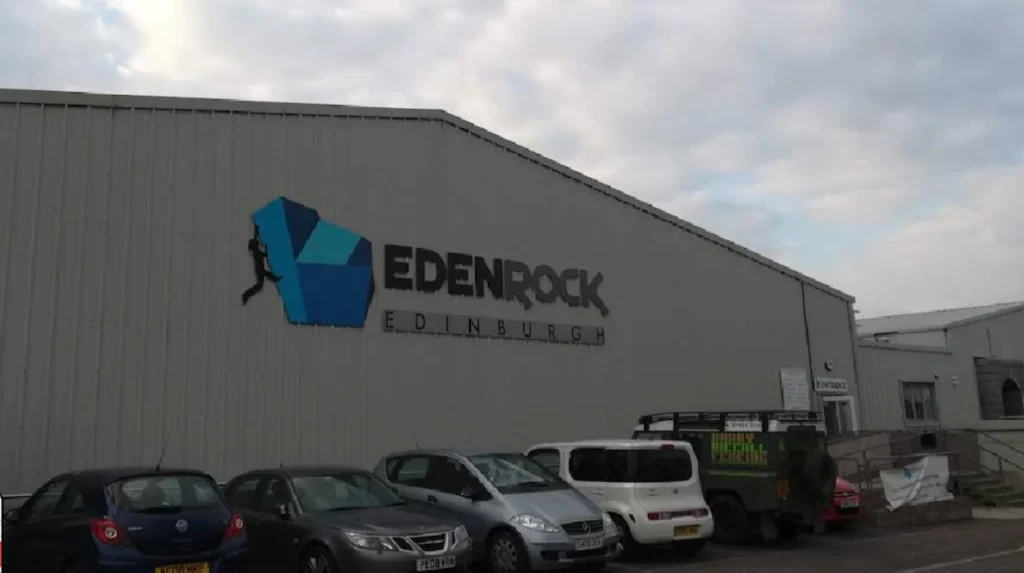
The center provides free customer parking spaces directly outside the front entrance of the main warehouse building. Additional free on-street parking is accessible along Edgefield Road for visitors during busy peak operating periods. A secure bicycle rack is also installed near the entrance for cycling commuters.
Can children climb unsupervised at the center?
Children under the age of 14 are strictly prohibited from climbing unsupervised and must remain within arm’s reach of a registered adult. A single adult member is permitted to supervise a maximum of two children per visit. Youth aged 14 to 17 can climb independently only after passing a formal competency assessment.