Key Points
- The Victorian palm houses at the Royal Botanic Garden Edinburgh (RBGE) will reopen to visitors on 2 October 2026 after a five-year, £20 million restoration.
- Work began in 2021, including an upgraded heating system to withstand Scottish winters and the installation of about 5,000 new glass panes.
- Approximately 600 rare flora species were moved from the 200-year-old hothouses before replanting; around 40,000 plants were initially removed.
- The refurbishment, part of the wider Biomes Project, also involved removing partitions to open up space and restoring rusting metalwork.
- Some plants did not survive the move; a 200-year-old sabal palm from Bermuda was felled during the initial phase after years of careful “shaving” to prevent it from growing through the glass canopy.
- Wood from the sabal palm trunk has been preserved for educational purposes, while other parts were passed to the gardens’ artists in residence.
- RBGE said the restored Palm Houses will now operate on a ticketed basis and described the space as a place to “unfurl, unfold and unwind among the ferns and palms”.
- The A-listed palm houses originally opened in the 1800s to store and display RBGE’s vast collection of tropical plants.
- Water ingress from historic wear and tear, combined with increasingly extreme winter weather, had threatened the long-term health of the plants.
- A replanting project began in January 2026, using pioneering techniques to restore plants to their previous home.
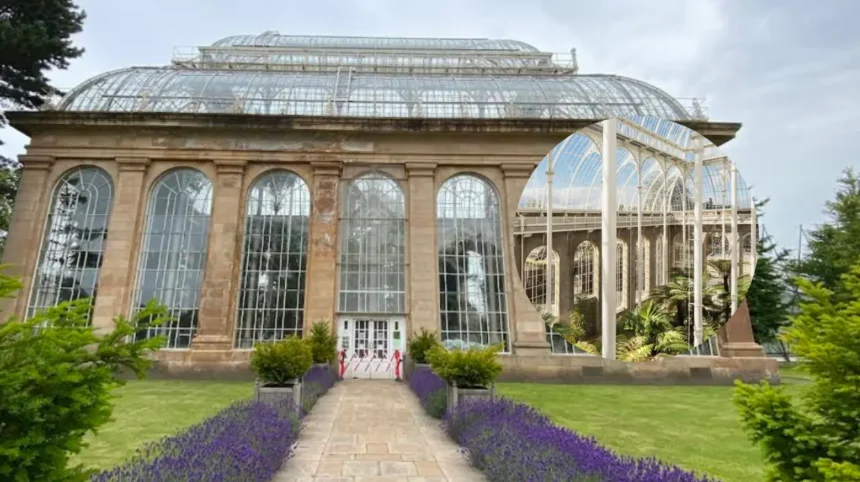
Edinburgh (Edinburgh Daily) July 16, 2026 – The historic Victorian palm houses at the Royal Botanic Garden Edinburgh are set to reopen in the autumn after a five-year restoration project that has cost £20 million and required the careful relocation of tens of thousands of plants.
- Key Points
- How Did the Restoration Work and What Changes Were Made Inside the Palm Houses?
- What Happened to the Historic Sabal Palm and Why Was It Removed?
- How Will Visitors Experience the Reopened Palm Houses and What Should They Expect?
- What Background Explains the Development of the Palm Houses and the Biomes Project?
- How Could This Development Affect Visitors, Students, and the Local Community in Edinburgh and Beyond?
The A-listed structures, which originally opened in the 1800s to store and display RBGE’s vast collection of tropical plants, have been closed to the public since work began in 2021 to install an upgraded heating system and replace around 5,000 panes of glass. The refurbishment, part of the wider Biomes Project, also saw partitions removed to open up the space and the restoration of rusting metalwork.
RBGE said about 600 species of rare flora had been moved from the 200-year-old hothouses before the replanting process started, and that about 40,000 plants were removed from the hothouses at the start of the project. Some were stored in another hothouse during that time, under close monitoring by horticulturists, before a replanting project which began in January saw the gardens’ experts use pioneering techniques to restore the plants to their previous home.
However, some plants did not survive the move. Among them was a 60ft (18 metre) sabal palm, originally brought to Edinburgh from Bermuda in the early 1800s, which was felled during the initial phase of refurbishment after several years of carefully “shaving” parts of the tree so it did not continue growing through the glass canopy of the hot house. Some of the wood from its trunk has been preserved for educational purposes, while other parts of the tree were passed to the gardens’ artists in residence.
RBGE said the Palm Houses will now open their doors to visitors again on a ticketed basis from 2 October. The garden’s statement read: “After years of careful restoration, the Palm Houses will reopen to the public. We can’t wait to share this special space as a place to unfurl, unfold and unwind among the ferns and palms”.
Water ingress caused by historic wear and tear to the facility, combined with increasingly extreme winter weather conditions, had risked the long-term health of the plants, prompting the extensive refurbishment.
How Did the Restoration Work and What Changes Were Made Inside the Palm Houses?
As reported by the team behind the original coverage of the RBGE refurbishment, work to install an upgraded heating system aimed at beating freezing Scottish winters and about 5,000 new panes of glass began in 2021 as part of a £20m refurbishment. The project also involved removing internal partitions to create a more open visitor experience and restoring rusting metalwork that had deteriorated over two centuries.
The scale of the horticultural challenge was significant. About 40,000 plants were removed from the hothouses at the start of the project, with many stored in another hothouse under close monitoring by horticulturists. RBGE said about 600 species of rare flora had been moved from the 200-year-old hothouses before the replanting process started, underscoring the complexity of protecting such a diverse collection during construction.
A replanting project, which began in January 2026, saw the gardens’ experts use pioneering techniques to restore the plants to their previous home. While many plants were successfully returned, some did not survive the move, including the historic sabal palm that had been present since the early 1800s.
What Happened to the Historic Sabal Palm and Why Was It Removed?
The 200-year-old sabal palm, originally brought to Edinburgh from Bermuda in the early 1800s, was among the plants felled during the initial phase of refurbishment. The tree had been closely managed for several years, with parts of it carefully “shaved” so it did not continue growing through the glass canopy of the hot house.
Despite these efforts, the palm could not be retained in the restored structure. “Some of the wood from its trunk has been preserved for educational purposes, while other parts of the tree were passed to the gardens’ artists in residence,” RBGE noted in statements covering the project. The loss of such a historic specimen highlights the difficult balance between preserving living heritage and enabling necessary structural upgrades.
How Will Visitors Experience the Reopened Palm Houses and What Should They Expect?
RBGE said the Palm Houses will now open their doors to visitors again on a ticketed basis from 2 October 2026. The garden described the restored space as a place to “unfurl, unfold and unwind among the ferns and palms”, signalling an emphasis on calm, immersive engagement with the tropical collection.
The reopening marks the culmination of a five-year project that has transformed both the physical structure and the internal environment of the palm houses. The upgraded heating system is designed to protect the plants from freezing Scottish winters, while the new glass panes and restored metalwork improve the overall integrity and appearance of the A-listed buildings.
Visitors will be able to see around 600 species of rare flora that have been carefully returned to the hothouses after a complex relocation and replanting process. The removal of internal partitions means the interior will feel more open than before, offering a broader view of the collection and allowing a more fluid visitor experience.
What Background Explains the Development of the Palm Houses and the Biomes Project?
The Victorian palm houses at RBGE are A-listed structures that opened in the 1800s to store and display the gardens’ vast collection of tropical plants. Over two centuries, historic wear and tear led to water ingress, which, combined with increasingly extreme winter weather conditions, threatened the long-term health of the plants housed inside.
The refurbishment work forms part of the wider Biomes Project, a long-term strategy to upgrade RBGE’s key horticultural structures and improve their ability to support rare and vulnerable plant species. The project’s scope included not only the palm houses but also investment in heating, glass, and structural metalwork to ensure the buildings can cope with modern climate challenges while preserving their historic character.
How Could This Development Affect Visitors, Students, and the Local Community in Edinburgh and Beyond?
The reopening of the palm houses is likely to increase visitor numbers at RBGE, particularly during the autumn and winter months when indoor attractions are especially valuable. For families, tourists, and local residents, the ticketed access to a restored Victorian environment filled with rare ferns and palms offers a distinctive cultural and educational experience that previously was unavailable for five years.
For students and researchers, including those in botany, horticulture, environmental science, and heritage conservation, the project provides a real-world case study in balancing historic preservation with modern climate adaptation. The use of “pioneering techniques” in replanting and the management of a historic sabal palm throughout its removal offer rich material for academic discussion and practical learning.
The wider community in Edinburgh and surrounding areas may also benefit from increased tourism and associated economic activity, as the Palm Houses become a renewed attraction within the city’s cultural map. The project underscores how investment in historic green infrastructure can support both biodiversity and public engagement, setting a model that other gardens and heritage sites might follow in the years ahead.