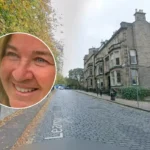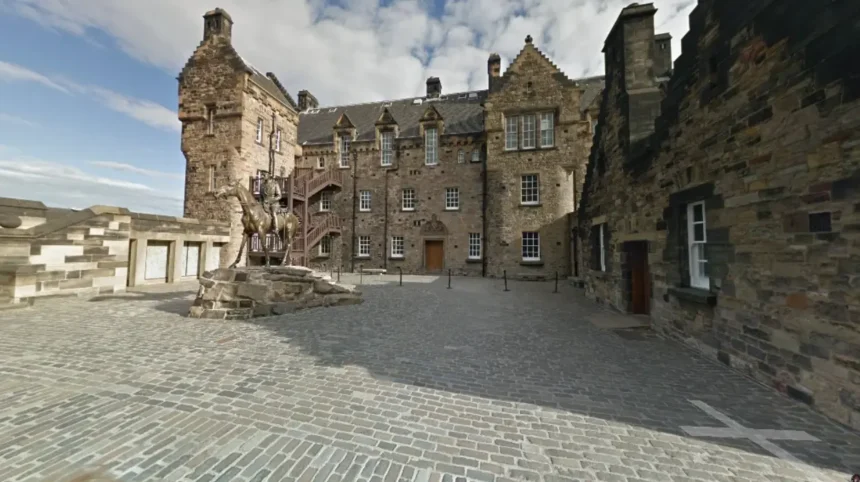
Edinburgh features steep volcanic hills, centuries-old cobblestones, and dramatic elevation shifts across its historic districts. The city’s unique topography creates steep gradients, uneven surfaces, and multiple flight staircases that present distinct physical obstacles for travelers who have limited mobility.
- How can travelers navigate Edinburgh’s transport system with restricted mobility?
- What step-free routes exist along the historic Royal Mile?
- Which top Edinburgh attractions offer the best accessibility features?
- How can travelers plan a seamless mobility-friendly itinerary in Edinburgh?
- Is Edinburgh Castle fully accessible for wheelchair users?
- Are public buses in Edinburgh suitable for mobility scooter users?
- What is the best area to stay in Edinburgh for visitors with limited mobility?
- How do I hire a black cab with wheelchair access in Edinburgh?
- Does the Royal Mile have step-free pavement throughout its length?
Edinburgh sits upon an extinct volcano called Castle Rock and series of glacial ridges formed during the last ice age. The volcanic geography created two main elevation zones known as the Old Town and the New Town. The Old Town rests on an elevated ridge with a main central thoroughfare called the Royal Mile. Steep narrow alleyways called closes extend downward from this central ridge at gradients exceeding 15 degrees.
The physical construction of the historic Old Town relies heavily on traditional granite setts and weathered cobblestones. These stone surfaces create continuous vibrations for wheelchair users and represent severe trip hazards for individuals using walking aids. Many medieval buildings feature narrow doorways, raised thresholds, and multi-story layouts built long before modern accessibility standards existed.
The Georgian New Town offers flatter street layouts designed in a grid pattern during the late 18th century. However, the New Town presents its own physical barriers, including flagstone pavements with wide mortar gaps and basement-level entrances accessed exclusively by steep outdoor stairs. High stone curbs without tactile drop-pavements remain common across older residential streets.
Pedestrian connectivity between the Old Town and New Town requires navigating significant vertical height drops. Key transit hubs like Edinburgh Waverley Railway Station sit inside a natural valley called the Nor Loch basin. Navigating out of the station demands ascending steep incline ramps or utilizing hidden elevational lifts inside adjacent commercial centers.
Understanding these geographical elevations allows travelers to plan step-free transit corridors across the city. By identifying where natural slopes occur, visitors can choose routes that descend rather than ascend steep streets. Utilizing accessible urban transit links further reduces physical fatigue on hilly sections.
How can travelers navigate Edinburgh’s transport system with restricted mobility?
Edinburgh provides an integrated public transport network featuring 100 percent low-floor accessible buses, step-free tram lines, and fully accessible black cab taxis. Pre-booking accessible connections ensures continuous mobility across all primary transport nodes and cultural attraction hubs.
Lothian Buses operates the primary municipal bus network throughout the city and surrounding regions. Every vehicle in the fleet features low-floor kneeling technology, an extendable boarding ramp, and a dedicated wheelchair space. Bus drivers lower the vehicle chassis to curb level automatically at designated stops to facilitate step-free entry for passengers using mobility devices.
Edinburgh Trams run a direct, step-free route from Edinburgh Airport to the coastal district of Leith. Every tram stop features gently sloped access ramps or level platform boarding. Trams feature double-door entry points, wide interior aisles, dedicated wheelchair bays, and visual and audible next-stop indicators.
The city’s official black cab taxis provide complete wheelchair accessibility across the entire licensed fleet. Each black cab carries integrated fold-down passenger ramps, wide door openings, and interior floor anchor straps to secure mobility devices during transport. Taxis can be hailed on the street, picked up at designated station ranks, or booked via mobile applications.
National Rail services operating out of Edinburgh Waverley and Haymarket stations offer free journey assistance through the Passenger Assist network. Station staff provide portable ramps for train boarding, luggage handling, and continuous escort service between train platforms and street-level taxi ranks. Passengers should request assistance 2 hours prior to travel.
Private vehicle operators holding valid Blue Badge parking permits receive specific exemptions within Edinburgh. Blue Badge holders can park free of charge and without time limits in municipal pay-and-display bays, shared-use bays, and designated disabled parking bays across the city.
What step-free routes exist along the historic Royal Mile?
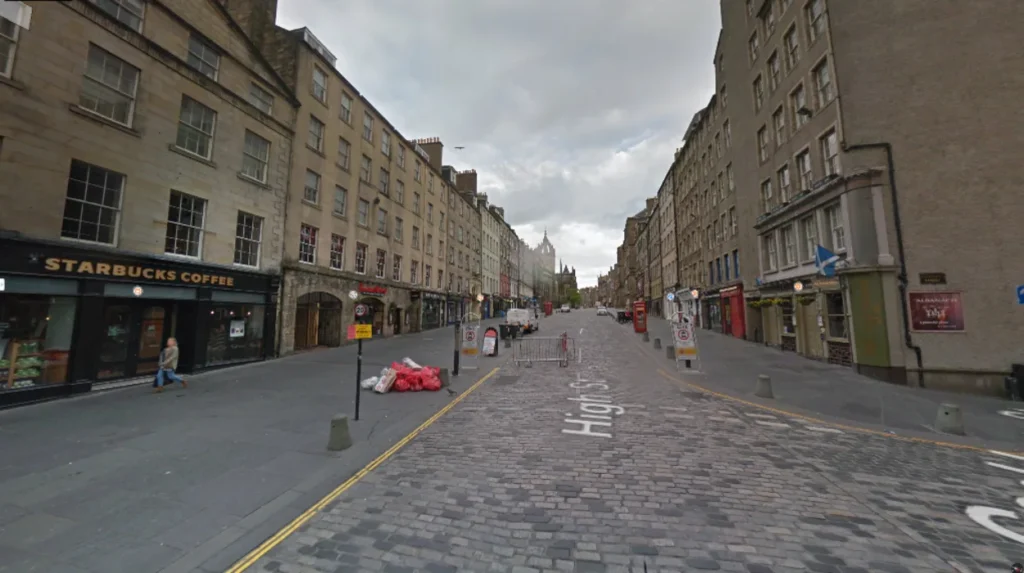
The Royal Mile offers continuous pavement routes with designated drop-curb crossings, step-free palace entrances, and accessible vehicle transport options. Choosing specific sidewalk corridors minimizes exposure to uneven cobblestones and steep historic inclines.
The Royal Mile spans a distance of 1.2 miles between Edinburgh Castle at the top and the Palace of Holyroodhouse at the bottom. The street drops 160 feet in elevation from west to east. Traveling from Edinburgh Castle downward toward Holyroodhouse allows visitors to utilize gravity, reducing physical exertion for manual wheelchair operators and walking aid users.
The upper section near Edinburgh Castle features dense granite setts. Visitors can avoid the rough central roadway by using the smoother stone flagstones along the outer pedestrian walkways. Pavement curb cuts are present at main intersections including George IV Bridge, Bank Street, and North Bridge.
Historic sites along the Royal Mile feature modernized step-free entry points. The St Giles’ Cathedral provides a level access ramp at its west door alongside internal wheelchair lifts. The Museum of Edinburgh and the Writers’ Museum offer courtyard entry ramps, step-free ground floor galleries, and accessible restroom facilities.
At the foot of the Royal Mile, the Scottish Parliament building provides complete step-free access. The main public entrance features level automatic doors, wide security lanes, low-level information desks, and elevator access to all committee rooms and debating chambers.
The Palace of Holyroodhouse features smooth flagstone courtyards, an accessible visitor center, and free manual wheelchair hire. Internal electric lifts allow visitors with limited mobility to access the historic state apartments on upper floors without climbing stone spiral staircases.
Which top Edinburgh attractions offer the best accessibility features?
Top Edinburgh attractions provide level step-free access, internal elevators, free mobility equipment rentals, and complimentary carer tickets. Modernized historical sites ensure visitors with mobility limitations experience full cultural access.
The National Museum of Scotland on Chambers Street is one of the most accessible cultural institutions in the United Kingdom. The venue features level entry via the Tower Entrance on the corner of Chambers Street. Multiple glass elevators connect all 7 gallery levels, offering complete access to natural history, science, and Scottish heritage exhibits.
Edinburgh Castle provides a dedicated mobility vehicle service for visitors who cannot navigate steep inner cobbles. Upon arrival at the esplanade, visitors can request the vehicle to carry them up to Crown Square at the summit. Crown Square features level access to the Crown Jewels, the Great Hall, and the Scottish National War Memorial via fixed entry ramps.
The Royal Yacht Britannia, docked in Ocean Terminal at Leith, features 100 percent step-free access across all 5 decks. A purpose-built access tower provides level glass bridge entry to the ship. Internal passageways feature wide ramps and specialized wheelchair lifts to allow visitors to view royal bedrooms, engine rooms, and state dining spaces.
The Royal Botanic Garden Edinburgh offers 70 acres of landscaped grounds with wide, tarmac-paved pathways. The John Hope Gateway visitor center features level automatic doors, accessible restaurants, and step-free access to glasshouses. The garden provides electric mobility scooters and manual wheelchairs for visitors to borrow free of charge.
How can travelers plan a seamless mobility-friendly itinerary in Edinburgh?
A seamless mobility-friendly itinerary groups attractions by physical elevation, schedules accessible door-to-door transit, and secures advance venue reservations. Organizing daily activities around topographical zones prevents unnecessary hill climbs and physical fatigue.
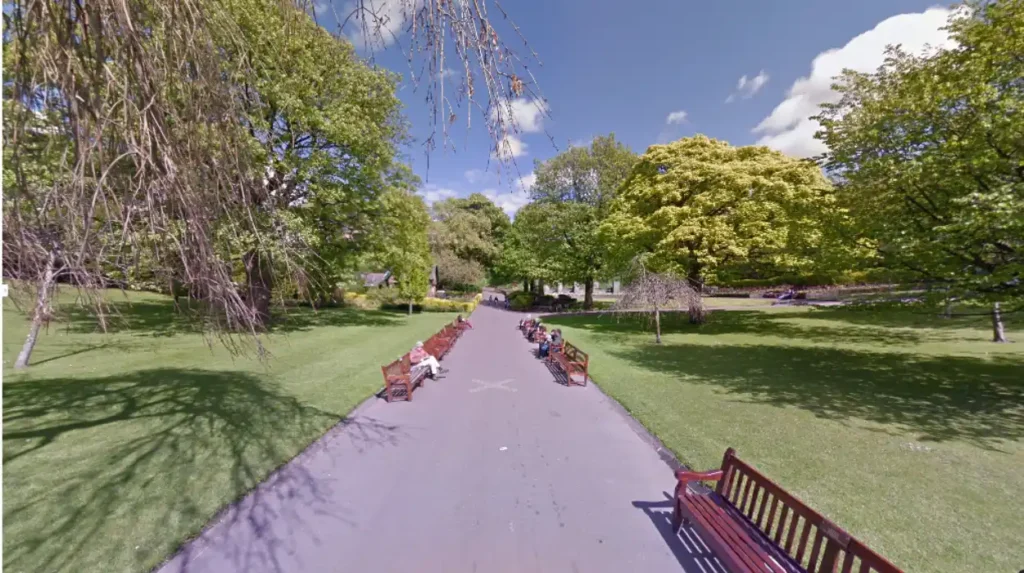
Divide sightseeing schedules into geographical elevation clusters. Dedicate one full day to the lower New Town and Princes Street Gardens area, which features flat, grid-based terrain. Reserve a separate day for the high-elevation Old Town, utilizing taxis or accessible buses to reach the top of Castle Rock before exploring downhill destinations.
Book ticketed attractions online in advance to secure designated accessible entry slots and reserve complimentary carer tickets. Contact historic venues 48 hours before arrival to reserve site-specific assistance, such as the Edinburgh Castle esplanade mobility vehicle or venue-owned wheelchair rentals.
Incorporate dedicated rest periods into daily travel itineraries. Select dining venues that feature ground-floor step-free entry and accessible Changing Places toilet facilities. Major public spaces, including the National Museum of Scotland and Waverley Station, house fully equipped Changing Places facilities with adult changing benches and tracking hoist systems.
Utilize modern technology and digital mapping tools to pre-screen urban walking routes. Mobile navigation applications with street-view features allow travelers to inspect pavement quality, curb drops, and building entrances before setting out. Always keep contact numbers for local accessible taxi firms saved on mobile devices for unexpected transport needs.
Is Edinburgh Castle fully accessible for wheelchair users?
Edinburgh Castle is largely accessible via a dedicated mobility vehicle that transports visitors up the steep cobblestones from the entrance to Crown Square. Key sites like the Great Hall, National War Memorial, and Crown Jewels feature ramped or step-free access.
Are public buses in Edinburgh suitable for mobility scooter users?
Lothian Buses feature low-floor entry ramps and dedicated wheelchair bays that accommodate standard manual and power wheelchairs. Class 2 mobility scooters are accepted on Edinburgh Trams and selected bus routes provided they meet weight and dimension criteria.
What is the best area to stay in Edinburgh for visitors with limited mobility?
The New Town is the best area to stay because it features flat grid streets, wider flagstone pavements, and modern hotel buildings. Staying near Princes Street or George Street provides flat access to public transport links without steep Old Town hill climbs.
How do I hire a black cab with wheelchair access in Edinburgh?
All official Edinburgh black cab taxis are 100 percent wheelchair accessible and come equipped with built-in ramps and floor security straps. You can hail a black cab directly on the street, find one at Waverley Station ranks, or book in advance via local taxi apps.
Does the Royal Mile have step-free pavement throughout its length?
The Royal Mile has step-free side pavements running from Edinburgh Castle down to the Palace of Holyroodhouse. While central roadways feature bumpy cobblestones, side sidewalks offer flagstones with drop-curb crossings at major road intersections.