
Edinburgh features a maritime climate characterized by rapid weather shifts caused by Atlantic low-pressure systems and North Sea coastal winds. The city experiences average annual temperatures ranging between 1 degree Celsius in winter and 19 degrees Celsius during peak summer months.
- How Does the Three-Layer Clothing System Work in Scotland?
- What Should You Wear During Spring in Edinburgh?
- How Do You Pack for Edinburgh’s Unpredictable Summer Months?
- What Clothing Is Essential for Edinburgh’s Autumn Season?
- How Should You Layer to Stay Warm During Edinburgh’s Winter?
- What Are the Best Footwear Choices for Navigating Edinburgh’s Streets?
Edinburgh lies at 55.95 degrees North latitude along the Firth of Forth coastal inlet. Oceanic currents and polar air masses collide over the Scottish lowlands throughout all four calendar seasons. Maritime pressure zones trigger localized microclimates across the seven hills of Edinburgh within short timeframes. Low cloud cover produces sudden precipitation while strong sea gusts lower human thermal comfort rapidly.
Topographical elevations ranging from sea level at Leith to 251 meters at Arthur’s Seat accelerate local wind speeds. The city records an average of 124 rainy days annually, with precipitation distributed evenly across every month. Temperature swings of up to 10 degrees Celsius occur within a single six-hour window. Geographic exposure to eastern coastal winds creates cooler conditions than inland Scottish regions.
Understanding regional climate dynamics allows residents and visitors to prepare clothing options for sudden environmental shifts. Weather forecasting models struggle to predict microclimate shifts across distinct city zones due to rapid cloud formation. Maritime moisture levels maintain high relative humidity averages between 75 percent and 88 percent year-round. Damp atmospheric conditions increase sensitivity to cold temperatures and wind chill factors across all seasons.
How Does the Three-Layer Clothing System Work in Scotland?

The three-layer clothing system uses a synthetic base layer to wick skin moisture, an insulating mid-layer to trap body heat, and a waterproof outer shell to block Scottish rain and coastal winds across changing weather conditions.
Base layers contact the skin directly to regulate humidity and manage transpiration during physical movement. Moisture-wicking materials like merino wool and synthetic polyester prevent body cooling caused by trapped sweat. Cotton fabric absorbs up to 27 times its weight in water and must be avoided. High-density weave fabrics create an effective thermal buffer against low external temperatures during damp weather conditions.
Insulating mid-layers trap warm air generated by body heat inside dead space fibers. Fleece jackets, synthetic down vests, and lightweight wool sweaters provide mid-layer insulation without adding restrictive physical volume. Mid-layer thickness should adjust according to ambient seasonal temperatures and planned outdoor exertion levels. Breathable mid-layer textiles allow moisture vapor to escape outward while retaining vital interior core warmth effectively.
Outer shell layers act as external defensive barriers against ocean winds and frequent precipitation events. Technical shell jackets feature waterproof ratings between 10,000 mm and 20,000 mm for complete storm protection. Breathable membranes like Gore-Tex prevent external liquid water penetration while allowing internal heat condensation to exit. Sealed seams and storm flaps protect zipper closure points from driving rain infiltration.
What Should You Wear During Spring in Edinburgh?
Spring dressing requires versatile mid-weight layers, waterproof outer shells, wind-resistant trousers, and sturdy walking shoes to adapt to daily temperature shifts between 4 degrees Celsius and 12 degrees Celsius from March through May.
Spring climate transition brings unpredictable weather mixes including clear sunshine, sudden rain showers, and cold coastal breezes. Daytime light duration increases from 11 hours in March to over 16 hours by late May. Average high temperatures rise gradually from 9 degrees Celsius to 14 degrees Celsius over the spring season. Strong eastern winds known locally as the Haar bring cold coastal fog from the North Sea.
Clothing choices must accommodate cool morning starts and milder afternoon temperatures through easy layer removal. Lightweight merino wool long-sleeve tops offer baseline temperature control beneath mid-layer fleece pullovers or cardigans. Water-repellent trousers made from nylon blends dry quickly after unexpected rainfall events on city walks. Breathable footwear with lugged rubber soles prevents slipping on wet granite cobblestones across historic streets.
Spring accessories should include compact umbrellas designed to withstand wind gusts exceeding 30 kilometers per hour. Lightweight scarves protect the neck area from sharp coastal winds blowing through historic city street canyons. Packable waterproof rain jackets fit easily inside daypacks when afternoon sunshine emerges between passing cloud fronts. UV protection like sunglasses remains necessary due to high glare from wet urban surfaces.
How Do You Pack for Edinburgh’s Unpredictable Summer Months?
Summer packing relies on lightweight breathable fabrics, packable waterproof coats, comfortable walking boots, and flexible layering options suitable for daytime temperatures ranging from 10 degrees Celsius to 19 degrees Celsius between June and August.
Edinburgh summers feature long daylight hours extending up to 17.5 hours during the June summer solstice. Summer temperatures remain cool compared to continental Europe, rarely exceeding 22 degrees Celsius during peak afternoon hours. Cloud cover shifts rapidly, dropping ambient temperatures by 5 degrees Celsius within minutes as ocean air moves inland. High relative humidity makes mild temperatures feel warmer while rain showers cool conditions quickly.
Clothing strategies focus on light layers including cotton-linen blends, synthetic t-shirts, and light long-sleeve shirts. Outerwear must consist of a packable, lightweight waterproof jacket rather than heavy winter coats or parkas. Short-sleeved shirts work well during sunny periods when paired with a light cardigan or windbreaker jacket. Denim jeans provide durable protection but take long periods to dry if soaked in summer rainstorms.
Footwear for summer exploration should emphasize walking comfort across hilly terrain and uneven cobblestone pathways. Leather sneakers or broken-in light hiking shoes offer structural foot support and protection against unexpected puddle water. Breathable socks made from merino wool blends prevent blisters during long walking tours across urban locations. A compact daypack holds removed clothing layers as daily weather conditions fluctuate continuously.
What Clothing Is Essential for Edinburgh’s Autumn Season?
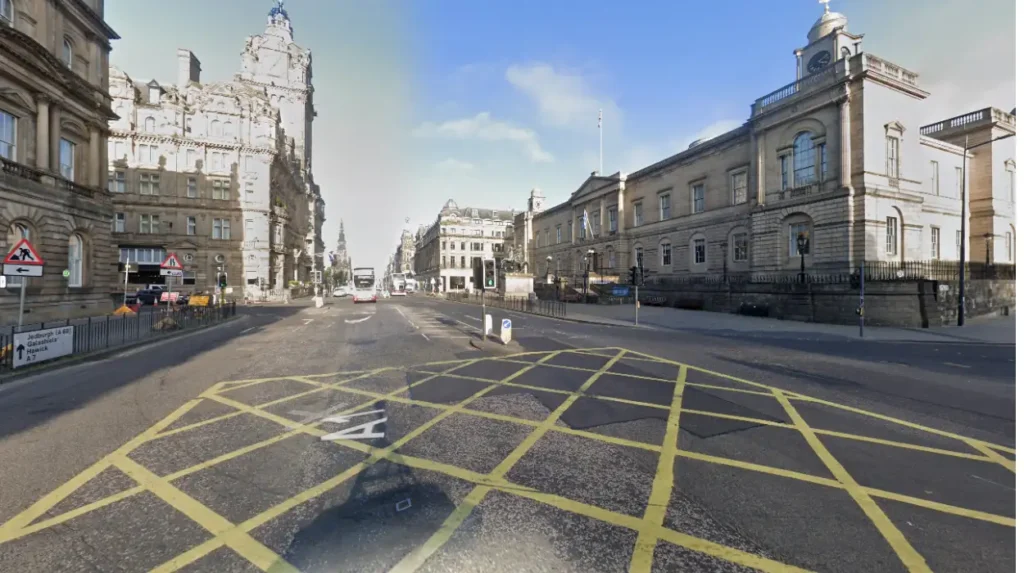
Autumn essentials include thermal base layers, water-resistant wool coats or heavy rain jackets, insulated boots, and thermal accessories to handle falling temperatures between 3 degrees Celsius and 14 degrees Celsius from September to November.
Autumn brings dropping temperatures, increased rainfall totals, and rising wind speeds across the Scottish eastern coast. October records average monthly precipitation levels of 76 millimeters across 13 distinct rainy days in the city. Daylight hours decrease rapidly from 13 hours in September to under 8 hours by late November. Cold arctic air masses begin moving south, bringing frosty mornings and crisp seasonal daytime conditions.
Layering strategies shift toward heavier wool sweaters, insulated fleece jackets, and windproof outer shells for full protection. Mid-weight thermal tops provide foundational warmth beneath heavy knitwear during extended outdoor historic walking tours. Water-resistant trousers or thick trousers protect legs against cold wind penetration and driving autumn rain showers. Darker fabric colors hide mud splashes caused by walking along park trails and unpaved pathways.
Accessories become critical components for thermal comfort during outdoor activities in late autumn months. Fleece-lined beanies protect ears from sharp wind chill factors along elevated castle walkways and hill summits. Waterproof gloves prevent hands from freezing when using mobile devices or cameras outdoors in damp conditions. Sturdy leather boots with deep tread patterns provide traction on wet leaf-covered stone steps and pavements.
How Should You Layer to Stay Warm During Edinburgh’s Winter?
Winter layering demands heavy thermal base garments, thick wool mid-layers, windproof down or synthetic parkas, waterproof boots, and insulated accessories to manage winter temperatures averaging 1 degree Celsius to 7 degrees Celsius.
Winter in Edinburgh features short daylight windows lasting under 7 hours between December and February. Freezing temperatures combined with high humidity create cold conditions that penetrate light or unsealed clothing items. Snowfall occurs on an average of 12 days per year, though ground accumulation remains short-lived near sea level. Strong winter gales frequently sweep across the Forth Estuary, dropping wind chill values below zero.
Thermal base layers made from heavyweight merino wool or advanced synthetic fabrics trap vital core body warmth. Heavy insulating mid-layers like cable-knit wool sweaters or thick technical fleece jackets retain body heat effectively. Outer coats should feature windproof construction, waterproof membranes, and heavy synthetic or down insulation fill power. Thigh-length coats offer superior protection against cold wind drafts compared to waist-length jacket designs.
Footwear selection must prioritize complete waterproofing, internal thermal insulation, and aggressive outer rubber sole tread patterns. Insulating shearling or wool insoles increase footwear warmth retention when standing on cold stone surfaces. Thick wool socks prevent cold transfer from freezing pavement surfaces into foot extremities during extended walking. Heavy scarves, thick insulated gloves, and thermal hats complete the winter cold-weather defensive barrier.
What Are the Best Footwear Choices for Navigating Edinburgh’s Streets?
The best footwear choices include waterproof leather boots, sturdy trail walking shoes, and cushioned sneakers featuring deep rubber tread patterns to maintain grip on wet, uneven granite cobblestones.
Historic Edinburgh features steep gradient hills, historic granite cobblestone streets, and slippery outdoor stone staircases. Urban street surfaces become slippery when wet from rain, sea fog mist, or winter ice patches. Thin-soled flat shoes, high heels, and untextured canvas sneakers cause foot fatigue and slip hazards. Footwear must provide structured ankle support and thick outer soles to absorb impact from hard surfaces.
Waterproof leather boots treated with water-repellent wax offer ideal durability, insulation, and rain protection year-round. Low-profile trail walking shoes with Gore-Tex linings combine light sneaker comfort with technical outdoor traction soles. Rubber lug soles bite into wet stone surfaces, preventing sudden slips on steep slopes like the Royal Mile. Moisture-managing socks keep feet dry from internal sweat and external puddle water penetration during long walks.
Shoe maintenance plays a critical role in preserving footwear performance across damp Scottish urban environments. Applying water-proofing treatments to leather and fabric uppers preserves water resistance over extended usage periods. Rotating between two pairs of walking shoes allows footwear to dry out completely between daily city excursions. Using orthotic insoles provides necessary arch support during high-mileage walking tours across historic city districts.
What type of jacket is best for Edinburgh weather?
A windproof and waterproof breathable jacket with a hood is ideal for Edinburgh. Look for technical coats rated at least 10,000 mm for complete rain and wind protection.
Do I need waterproof shoes for visiting Edinburgh?
Yes, waterproof shoes or leather boots with strong rubber treads are highly recommended. Wet cobblestones and sudden rain showers make non-waterproof footwear uncomfortable and slippery.
Is an umbrella useful in Edinburgh?
Umbrellas are often ineffective due to strong coastal wind gusts that can invert them. A high-quality hooded rain jacket provides better protection against driving Scottish rain.
Can I wear jeans in Edinburgh during rainy weather?
Jeans are suitable for dry days, but heavy denim absorbs rain water quickly and dries slowly. Water-repellent synthetic trousers or quick-drying fabric pants are better for wet days.
What should I pack for Edinburgh if I only have a carry-on?
Focus on a versatile three-layer system: thermal base tops, lightweight fleece mid-layers, and one waterproof outer shell jacket. Wear your heaviest boots while traveling to save luggage space.