


Leith and Edinburgh city centre present distinct advantages and trade-offs for travelers evaluating accommodation, access to historical landmarks, culinary offerings, transport links, and overall atmosphere in Scotland’s capital city.
- What is the geographic and cultural distinction between Leith and the city centre?
- How do accommodation costs and availability compare between both areas?
- What are the transport connections and travel times between Leith and central Edinburgh?
- Which location offers better access to major Edinburgh attractions?
- How do the dining, nightlife, and culinary scenes differ?
- What are the main pros and cons of staying in Edinburgh city centre?
- What are the main pros and cons of staying in Leith?
- Which location is best suited for your specific travel style?
Choosing between Leith and Edinburgh city centre requires balancing immediate access to iconic sights against cost and local character. Edinburgh city centre puts visitors steps away from Edinburgh Castle, the Royal Mile, and major train connections at Waverley Station.
Leith offers a waterfront setting, lower lodging rates, and an independent dining scene. Understanding these distinct urban environments helps travelers align their stay with their specific budget, itinerary, and travel style.
What is the geographic and cultural distinction between Leith and the city centre?
Leith is Edinburgh’s historic port district located three miles north of the urban core, whereas the city centre encompasses the UNESCO World Heritage sites of Old Town and New Town.
Edinburgh city centre features dramatic topography, historic stonework, and concentrated tourist infrastructure. The Old Town traces medieval street patterns up to Edinburgh Castle, while the Georgian New Town provides grid-aligned avenues, high-street shopping on Princes Street, and grand residential squares.
This area serves as the commercial, political, and cultural focal point of the city, holding key sites such as the National Museum of Scotland and St Giles’ Cathedral.
Leith operated as an independent burgh until its merger with Edinburgh in 1920. Located along the Firth of Forth, Leith developed a distinct identity shaped by maritime trade, industrial docks, and international commerce.
Modern Leith combines historic docklands with revitalized waterfront housing, converted warehouses, art studios, and Michelin-starred dining options along the Shore.
How do accommodation costs and availability compare between both areas?
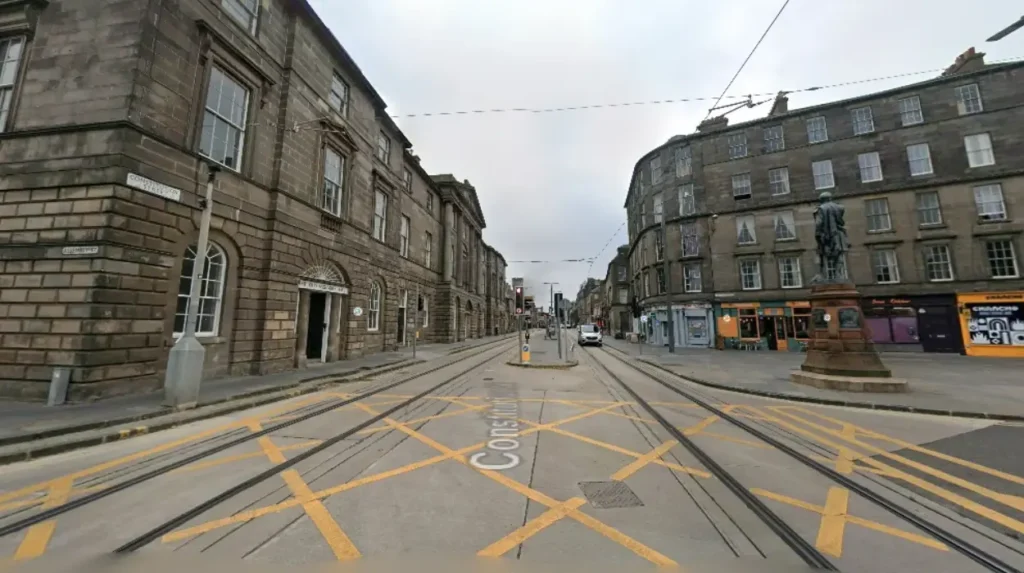
Edinburgh city centre commands higher lodging rates with dense hotel coverage, while Leith provides lower price points, larger modern apartments, and boutique guesthouses.
Central Edinburgh accommodations charge premium prices due to high demand and central proximity. Visitors in the city centre pay top rates for luxury chain hotels, boutique properties, and historic inns, particularly during peak travel months like August during the Edinburgh Festival Fringe.
Standard rooms in the Old Town or New Town often feature smaller square footage due to the structural constraints of listed historic buildings.
Leith offers lower average night rates across hotel and self-catering properties. The neighborhood features modern apartment conversions along the docks, budget hotel chains, and independent guest houses.
Visitors staying in Leith secure larger living spaces and updated amenities for less money. Accommodation availability in Leith remains stable during major events when central options fill up quickly.
What are the transport connections and travel times between Leith and central Edinburgh?
The Edinburgh Tram extension connects Leith directly to the city centre in fifteen minutes, supplemented by frequent Lothian Bus services operating twenty-four hours a day.
Travel between Leith and the city centre relies on fully integrated public transit systems. The Edinburgh Tram line runs from Newhaven through Leith Walk directly into Princes Street and St Andrew Square, operating at seven-minute intervals.
Single adult fares and day passes apply uniformly across the network, enabling fast transit without extra city-zone charges.
Lothian Buses operate high-frequency routes connecting Leith to central destinations like Edinburgh Waverley, Haymarket, and the Royal Mile. Bus journeys take fifteen to twenty-five minutes depending on traffic along Leith Walk or Easter Road.
Pedestrians can walk the three-mile distance along Leith Walk or take the scenic Water of Leith Walkway, a dedicated multi-use path connecting the port to the city center.
Which location offers better access to major Edinburgh attractions?
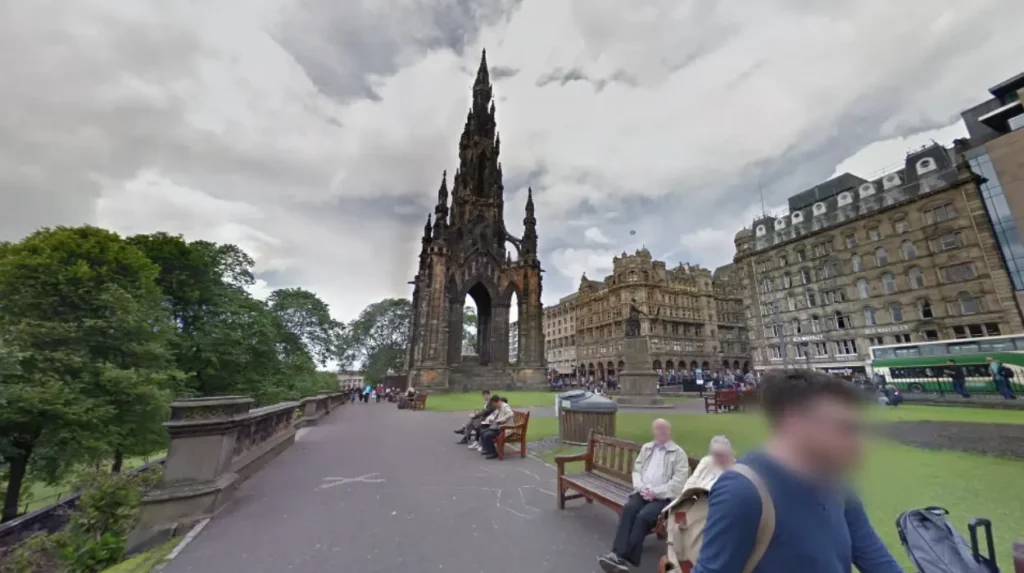
The city centre places visitors within walking distance of primary tourist sites, while Leith houses specialized maritime landmarks like the Royal Yacht Britannia.
City centre accommodations provide walk-up access to Edinburgh’s premier attractions. Travelers staying near the Royal Mile reach Edinburgh Castle, Palace of Holyroodhouse, Camera Obscura, and the Scottish Parliament Building without using public transport.
Museums, art galleries, and historic walking tour departure points cluster within a fifteen-minute walking radius across the Old Town and New Town.
Leith holds key regional attractions centered on its maritime heritage. The Royal Yacht Britannia, docked at Ocean Terminal, stands as one of Scotland’s top-rated tourist destinations.
Leith features the Trinity House Maritime Museum, historic cobble-paved wharves, and custom boat tours on the Firth of Forth. Visitors staying in Leith take transit to reach central historic sites but enjoy quiet access to coastal attractions.
How do the dining, nightlife, and culinary scenes differ?
The city centre offers historic pubs, traditional Scottish dining, and high-volume tourist eateries, whereas Leith is recognized as a culinary hub featuring seafood bistros and Michelin-starred venues.
City centre dining caters to high tourist volumes with traditional Scottish pubs, whisky bars, international chains, and upscale hotel restaurants. Establishments around the Royal Mile and Grassmarket serve classic dishes like haggis, neeps, and tatties alongside local ales.
Nightlife options in the centre include traditional live music venues, subterranean cocktail bars, and large nightclubs catering to university students and international travelers.
Leith earned a reputation as Edinburgh’s premier gastronomic neighborhood. The Shore area hosts award-winning seafood establishments, farm-to-table bistros, craft breweries, and fine-dining restaurants like Restaurant Martin Wishart and The Kitchin.
Leith’s nightlife focuses on waterfront pub garden terraces, independent wine bars, craft beer taprooms, and relaxed community pubs along Leith Walk.
What are the main pros and cons of staying in Edinburgh city centre?
City centre stays maximize convenience and walkability for first-time visitors but involve higher costs, elevated noise levels, and heavy tourist crowds.
Pros:
- Unmatched walkability to major historical sites, national galleries, and tour starting locations.
- Direct access to main transport hubs, including Waverley Railway Station and airport express bus links.
- Endless choices for dining, historic pubs, shopping, and entertainment immediately outside hotel doors.
Cons:
- Significantly higher nightly room rates and premium pricing across local goods and services.
- Frequent street noise from traffic, nightlife, and delivery vehicles in historic stone streets.
- Congested sidewalks, dense tourist crowds, and long waiting times at popular restaurants during peak seasons.
What are the main pros and cons of staying in Leith?
Leith delivers lower accommodation costs, authentic neighborhood character, and outstanding dining, but requires daily transit rides to reach central historic landmarks.
Pros:
- Greater value for money with spacious, affordable accommodations and modern holiday flats.
- World-class culinary scene featuring dockside seafood, Michelin-rated dining, and independent cafes.
- Relaxed, authentic local community feel away from heavy tourist congestion.
Cons:
- Requires a fifteen-to-twenty-minute tram or bus trip to access core sights like Edinburgh Castle.
- Fewer traditional gothic historical sites compared to the dense medieval architecture of Old Town.
- Industrial harbor infrastructure in select northern pockets lacks the aesthetic charm of central Edinburgh.
Which location is best suited for your specific travel style?
First-time visitors and short-stay travelers benefit most from the city centre, while repeat visitors, food lovers, and budget-conscious guests prefer Leith.
First-time tourists staying for two or three days gain maximum value from a city centre accommodation. Central lodging eliminates transit travel times, enabling visitors to see top attractions efficiently on foot.
Travelers with mobility restrictions or tight schedules benefit from immediate proximity to Waverley Station and tour pickup points.
Leith serves travelers planning extended stays, culinary-focused trips, or relaxed vacations. Visitors seeking larger apartment accommodations with full kitchens find excellent choices along the Leith waterfront.
Travelers who prefer non-touristy environments, independent shopfronts, and dockside dining enjoy Leith’s distinct local character while retaining quick tram access to central Edinburgh.
Is Leith safe for tourists walking at night?
Leith is a safe neighborhood for visitors. The area underwent extensive regeneration over recent decades, transforming former industrial docks into dining and residential hubs. Standard urban safety precautions apply when walking late at night near unlit canal paths or isolated industrial zones.
How much does a tram ticket cost from Leith to central Edinburgh?
A single adult tram ticket within the City Zone costs under three pounds sterling. You can buy tickets at platform vending machines or pay using contactless card readers before boarding. Day passes are available covering unlimited tram and Lothian Bus travel across the city.
Can you walk from Edinburgh city centre to Leith?
Yes, you can walk between the city centre and Leith in forty-five to sixty minutes. The most direct route goes straight down Leith Walk. Alternatively, the scenic Water of Leith Walkway offers a traffic-free walking trail through greenery along the river.
Is Leith cheaper than Edinburgh city centre for food and drinks?
Leith offers better overall value for dining and drinking compared to the central tourist areas. While Leith features high-end Michelin restaurants, its local pubs, coffee shops, and casual diners charge lower prices than similar venues on Princes Street or the Royal Mile.
Which area is better for families with young children?
Leith is often better for families seeking quieter accommodation, bigger apartment layouts, and proximity to ocean parks. However, families prioritizing short walking distances to major castles and interactive museums may prefer staying in the city centre to avoid public transit trips.

