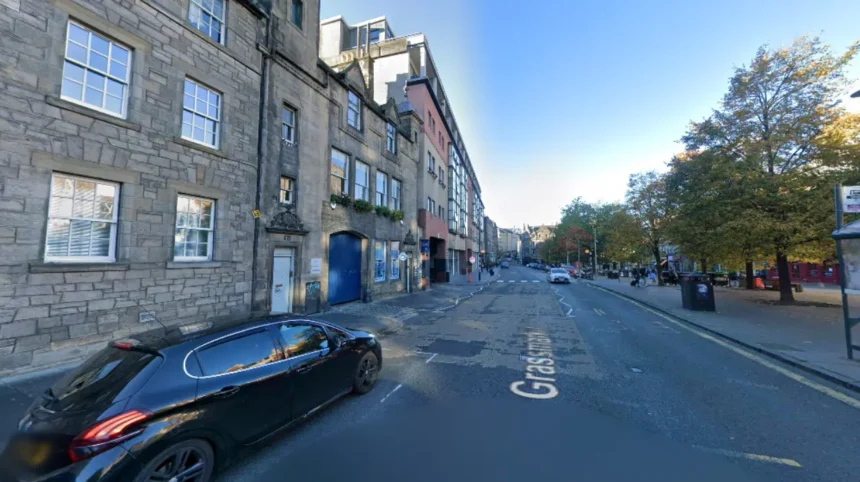
The Grassmarket is a historic marketplace located in the Old Town of Edinburgh, Scotland, established officially by royal charter under King James III in 1477. It served as a primary livestock trading center, public assembly area, and official site of judicial executions.
- Why Was the Grassmarket Chosen as a Location for Executions?
- Which Historical Figures and Religious Groups Were Executed in the Grassmarket?
- How Did Public Executions Impact Daily Life in Historical Edinburgh?
- What Memorials and Architectural Features Preserve This History Today?
- What is the origin of the name Grassmarket in Edinburgh?
- Where exactly were the gallows located in the Grassmarket?
- Who was Maggie Dickson and how did she survive her execution?
- Can you still visit the Grassmarket execution site today?
- How many people were executed in the Grassmarket throughout history?
The spatial structure of the Grassmarket developed naturally along the base of Castle Rock. Its location outside the historic city walls allowed easy transport of cattle, horses, and agricultural produce from rural agricultural hinterlands into urban central Scotland.
Merchant activity in the area expanded rapidly throughout the sixteenth century. The marketplace established strict trading rules, price controls, and municipal tax collection structures managed by the Town Council of Edinburgh to regulate Scottish economic commerce.
Residential tenement buildings constructed from local sandstone began enclosing the perimeter of the marketplace. These multi-story structures housed merchants, tradesmen, and laborers, turning the basin into a dense neighborhood community directly below Edinburgh Castle.
The proximity of the site to royal and judicial authorities in Edinburgh made it an efficient location for public gatherings. Large crowds routinely assembled within the open valley during trade days, civic announcements, and state-sanctioned criminal punishments.
Today, the Grassmarket remains a major historical landmark within the UNESCO World Heritage area of Edinburgh. It preserves centuries of architectural heritage, urban layout traditions, civic commercial records, and tragic penal history.
Why Was the Grassmarket Chosen as a Location for Executions?
The Grassmarket was selected as an execution site because its broad physical basin accommodated vast public audiences, while its position below Edinburgh Castle allowed municipal authorities to display sovereign judicial power to citizens effectively.
Public executions during the seventeenth and eighteenth centuries functioned as powerful visual deterrents against crime, heresy, and treason. The natural amphitheater shape of the Grassmarket allowed thousands of spectators to observe executions from surrounding tenement windows and streets.
The location was strategically positioned near the Tolbooth prison located on the Royal Mile. Condemned prisoners were marched down the steep descent of modern-day Candlemaker Row or West Bow directly to the permanent wooden gallows erected in the market.
civic leaders prioritized public accessibility when choosing penalty sites. Unlike enclosed courtyard executions, the Grassmarket ensured maximum public viewing, reinforcing legal authority and religious conformity through visible physical punishment.
The municipal government installed permanent execution infrastructure in the center of the market basin. The stone base and wooden gallows framework remained central features of the site until official public hangings ended in 1784.
The transition of executions away from the Grassmarket occurred as penal philosophy shifted toward institutional confinement. Municipal authorities moved hangings to the Edinburgh City Chambers and later to Calton Jail during the late eighteenth century.
Which Historical Figures and Religious Groups Were Executed in the Grassmarket?
Over one hundred Covenanters, along with notable figures such as Captain John Porteous and Maggie Dickson, were executed in the Grassmarket between 1660 and 1784 during periods of intense religious persecution and civil unrest.
The Covenanters were Scottish Presbyterians who signed the National Covenant of 1638, resisting royal attempts to impose Anglican episcopacy on the Church of Scotland. During the Killing Time under King Charles II and King James VII, dozens of Covenanters faced execution.
Prominent Covenanter martyrs included Donald Cargill, a founding minister of the Cameronian movement executed in 1681, and James Renwick, the final Covenanter minister executed publicly in the Grassmarket in February 1688 at age twenty-six.
Captain John Porteous, commander of the Edinburgh City Guard, was lynched by an angry mob in the Grassmarket in September 1736. Porteous had previously ordered troops to fire into a crowd during a public hanging, killing several innocent bystanders.
Maggie Dickson became one of the most famous historical figures associated with the site in 1724. Hanged for concealing a pregnancy, her body revived inside her wooden coffin during transport to her burial site, earning her legal immunity and the nickname Half-Hangit Maggie.
Executions in the Grassmarket targeted political insurgents, petty thieves, counterfeiters, and religious dissenters alike. Legal records document over three hundred recorded executions taking place within the market boundary over a century-long period.
How Did Public Executions Impact Daily Life in Historical Edinburgh?
Public executions transformed the Grassmarket into a crowded focal point of public spectacle, civic protest, intense commercial activity, and severe social tension for the citizens of Edinburgh.
Execution days drew thousands of spectators from surrounding towns and rural regions. Local tavern owners, food vendors, and merchants experienced significant economic spikes as crowds gathered hours before scheduled hangings to secure viewing locations.
The events combined solemn religious sermons with public entertainment elements. Condemned prisoners were permitted to deliver last speeches from the gallows platform, which were frequently printed on single-sheet broadsides and sold immediately to the surrounding audience.
Public executions also served as dangerous catalysts for violent civil riots and political protests. Citizens frequently expressed disapproval of harsh judicial sentences by throwing stones at city guardsmen or attempting to rescue popular prisoners from the scaffold.
Religious groups treated execution days as sacred martyrdom witness events. Followers recorded the final words of Covenanters, preserving their statements in religious tracts that fueled resistance against royal ecclesiastical policies across Scotland.
The atmosphere during public executions influenced local culture, street ballads, folk legends, and literary traditions. The stark contrast between daily commercial livestock trading and lethal judicial violence defined the dual identity of the historical Grassmarket.
What Memorials and Architectural Features Preserve This History Today?
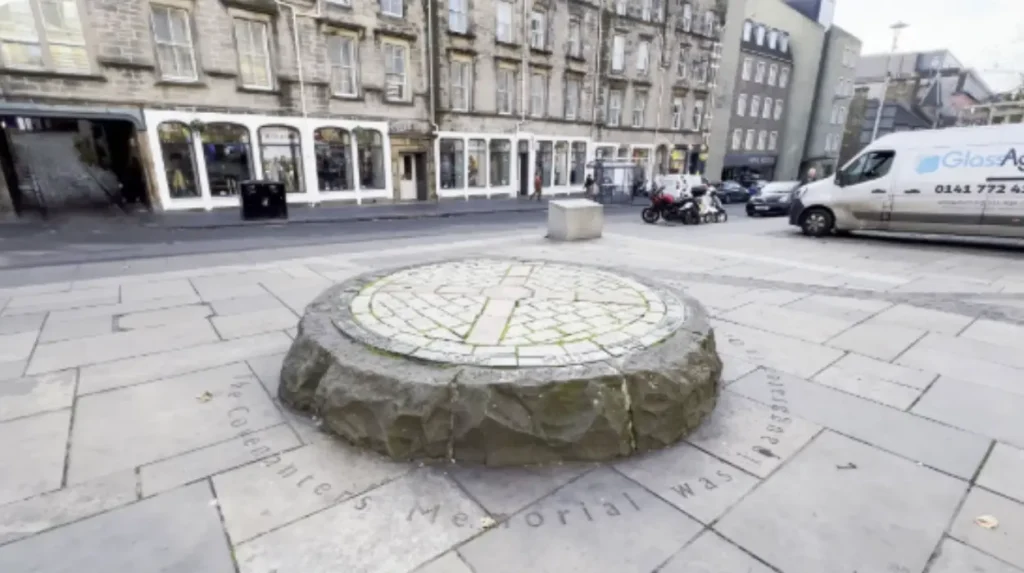
The Covenanters Memorial stone circle, historic tenement buildings, and historic pub names preserve the physical memory of executions in the Grassmarket today.
A circular stone monument set directly into the cobbled pavement marks the exact location where the city gallows once stood. The monument bears an carved inscription honoring the Covenanters who died for their religious convictions during the seventeenth century.
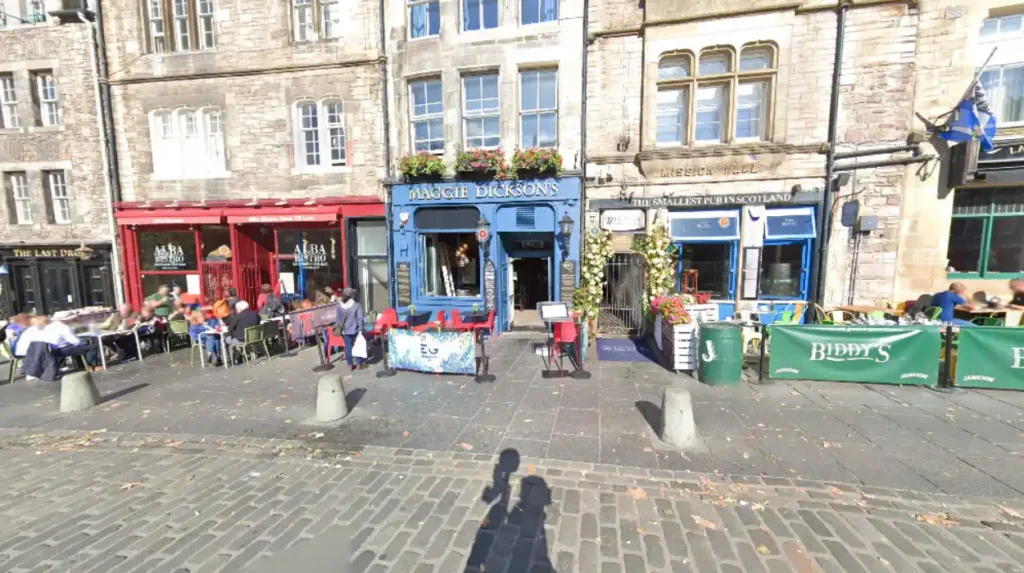
Historical public houses in the square maintain direct architectural and cultural ties to the execution era. Establishments such as The Last Drop and Maggie Dicksons reference the gallows tradition and the miraculous survival of historical prisoners in their branding.
The surrounding buildings retain traditional Scottish vernacular architecture featuring high-rise tenement structures, stone masonry, timber framing, and narrow wynds. These structural elements preserve the historical physical boundaries of the original medieval market square.
The shadowed silhouette of Edinburgh Castle atop the volcanic crag continues to tower directly above the Grassmarket. This spatial relationship serves as a visual reminder of royal military oversight over civic punishment throughout Scottish history.
Heritage walking tours, historical plaque installations, and civic museum exhibits continuously educate international tourists and local residents about the complex penal history, market heritage, and religious struggles associated with the area.
What is the origin of the name Grassmarket in Edinburgh?
The name Grassmarket comes from its historical function as an open grassland area used for trading livestock, hay, and agricultural goods. Established in 1477 by royal charter, it served as one of Edinburgh’s central markets for centuries.
Where exactly were the gallows located in the Grassmarket?
The gallows were located at the eastern end of the Grassmarket square near the foot of Candlemaker Row. Today, the spot is marked by a circular stone monument set directly into the street cobbles opposite historical pubs.
Who was Maggie Dickson and how did she survive her execution?
Maggie Dickson was a Scottish woman hanged in the Grassmarket in 1724 for concealing an illicit pregnancy. After her execution, her body revived inside her wooden coffin during transport, and under Scottish law, she could not be executed twice.
Can you still visit the Grassmarket execution site today?
Yes, the execution site is fully accessible to the public as part of the Grassmarket pedestrian square in Edinburgh’s Old Town. Visitors can see the Covenanters Memorial stone, historic tenements, and nearby themed pubs year-round.
How many people were executed in the Grassmarket throughout history?
Historical records document that over 100 Covenanters and hundreds of other convicts were executed in the Grassmarket between 1660 and 1784. Hangings ceased at the site in 1784 when public executions were relocated to the City Chambers.