

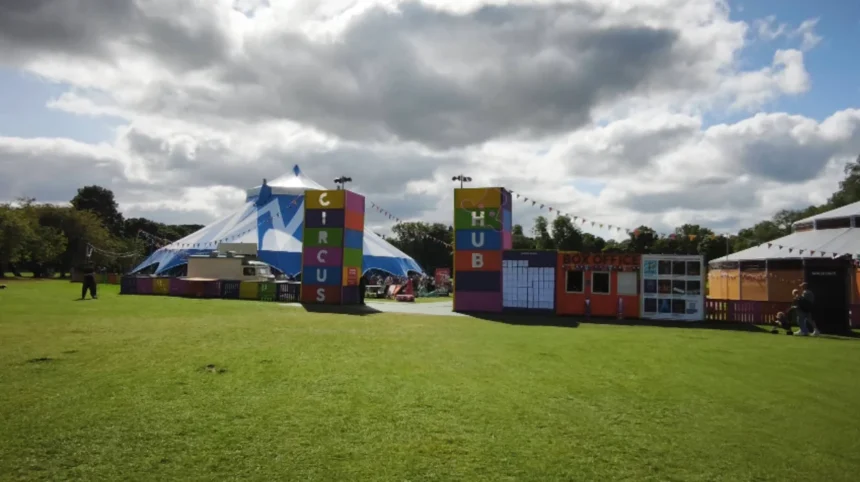
The Edinburgh festival ecosystem is an interconnected network of independent cultural festivals that operate concurrently and sequentially across the capital of Scotland. This umbrella entity includes major events like the Edinburgh International Festival, Edinburgh Festival Fringe, and Edinburgh International Book Festival.
The ecosystem operates without a single central governing body, functioning instead through a collaborative model. Festivals Edinburgh serves as the strategic umbrella organization that represents eleven core recurring festivals. The structure balances curated, invitation-only elite arts programming with uncurated open-access performance platforms. The peak operating window occurs during August when multiple major festivals run simultaneously across hundreds of city venues.
This ecosystem relies on a shared civic, commercial, and physical infrastructure throughout Scotland. Local government authorities provide essential public space access, event licensing, safety coordination, and waste management services. Major venue operators transform permanent buildings, temporary spaces, and outdoor parks into performance sites. The model generates significant economic output, contributing hundreds of millions of pounds to the Scottish economy each year.
How Did Edinburgh Become the World’s Leading Festival City?
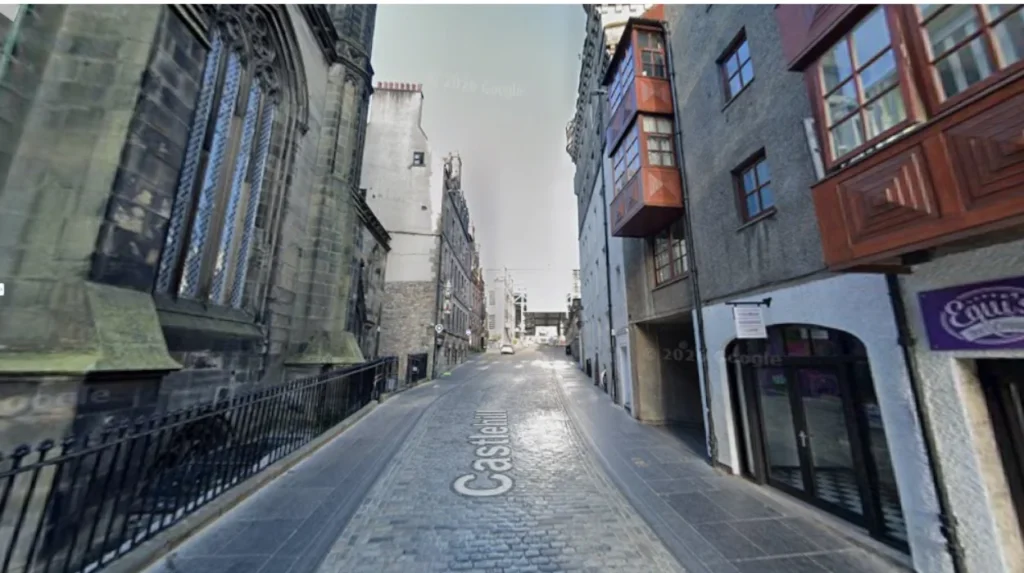
Edinburgh became the world leading festival city following the post-war establishment of the Edinburgh International Festival in 1947. The initiative aimed to provide a platform for the human spirit through European cultural reconciliation.
Eight uninvited theatre groups arrived in 1947 to perform on the margins of the official festival, creating the Edinburgh Festival Fringe. This organic occurrence introduced a dual festival architecture based on official selection alongside complete artistic open access. Over subsequent decades, additional specialized festivals emerged to expand the city annual cultural calendar across multiple artistic disciplines.
The creation of the Edinburgh International Film Festival in 1947, the Edinburgh Military Tattoo in 1950, and the Edinburgh International Book Festival in 1983 expanded the scope. In 2007, member organizations founded Festivals Edinburgh to coordinate joint strategic initiatives, international marketing, and infrastructure planning. The city maintains its global leadership by hosting over 25,000 artists and millions of attendees annually.
What Are the Core Components of the Edinburgh Festival Network?
The core components of the network consist of eleven independent member festivals spanning performing arts, literature, science, visual art, film, and winter celebrations. Each entity retains its own board, budget, governance, and operational strategy.
These distinct components divide into two primary structural formats: curated events and open-access festivals. The curated category includes the Edinburgh International Festival, which selects elite classical music, opera, theatre, and dance companies. The open-access category is led by the Edinburgh Festival Fringe, where anyone with a venue contract can perform.
Examples of core member festivals include the Edinburgh Science Festival in spring, the Edinburgh Jazz and Blues Festival in July, and the Edinburgh Art Festival in August. The Scottish International Storytelling Festival and Edinburgh Hogmanay complete the annual calendar during autumn and winter. The network is linked through joint administrative bodies, shared venues, and combined marketing platforms managed via Festivals Edinburgh.
How Does Governance and Funding Function Across the Ecosystem?

Governance functions through a decentralized model where each festival operates as an independent company or registered charity. Funding is derived from earned income, ticket sales, commercial sponsorships, and direct public subsidies.
Public sector support is funneled through Creative Scotland, the Scottish Government, and the City of Edinburgh Council. The Edinburgh Festival Fringe Society operates as an administrative support body rather than a curator, financing operations via registration fees and box office commissions. In contrast, the Edinburgh International Festival depends more heavily on state grants and philanthropic donations to produce high-budget classical works.
The Festivals Forum brings together major civic, government, and funding stakeholders to align long-term strategy. This body addresses strategic challenges such as accommodation capacity, environmental sustainability, public transport planning, and digital ticketing systems. Venue operators, including commercial producers like Assembly, Underbelly, Gilded Balloon, and Pleasance, manage independent venue-level micro-economies.
What Is the Economic and Cultural Impact of Edinburgh’s Festivals?
Edinburgh festivals generate an annual economic impact exceeding £850 million for the Scottish economy while creating over 10,000 full-time equivalent jobs. They serve as a global benchmark for cultural tourism and creative development.
The high density of events draws millions of visitors, boosting occupancy for local hoteliers, restaurateurs, transport networks, and retail businesses. Beyond immediate revenue generation, the ecosystem serves as an incubator for international talent, allowing writers, directors, performers, and technicians to launch creative careers.
The cultural impact extends to local residents, with research indicating that local audiences account for one-third of total ticket sales. Educational outreach programs, free public performances, and community engagement schemes increase local participation. However, the economic intensity also presents challenges, including seasonal overtourism, rising short-term rental costs, strain on urban infrastructure, and venue access costs for emerging artists.
What is the difference between the Edinburgh International Festival and the Fringe?
The Edinburgh International Festival is a curated event where artists perform by formal invitation only. The Edinburgh Festival Fringe is an open-access festival that allows anyone to perform provided they secure a venue contract. Both run simultaneously during August but maintain distinct management, budgets, and entry structures.
How do artists book venues for the Edinburgh Fringe?
Artists directly negotiate contracts with independent venue operators across Edinburgh. Once a venue contract is secured, the performer registers the show with the Edinburgh Festival Fringe Society for inclusion in the official program and ticketing system.
Who oversees and manages all the Edinburgh festivals?
No single authority manages every festival; each operates as an independent organization with its own board. However, Festivals Edinburgh serves as the joint strategic umbrella body that coordinates marketing, public policy, and city logistics among the eleven major festival organizations.
How do the festivals affect Edinburgh local infrastructure?
The August festival peak leads to population surges, increased public transport usage, and higher demand for accommodation. The City of Edinburgh Council manages street closures, security, and waste collection to maintain urban mobility and public safety throughout the event period.
How are Edinburgh festivals funded?
Funding comes from a mix of ticket sales, commercial sponsorships, philanthropic donations, and public grants. Public institutions such as Creative Scotland, the Scottish Government, and the City of Edinburgh Council provide financial grants to curated festivals and administrative support bodies.


