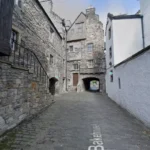
Edinburgh provides accessible infrastructure, low-floor transport systems, step-free tourist routes, and dedicated mobility services across central historic sites, enabling older travellers to explore Scotland’s capital city comfortably while maintaining an enjoyable, safe, and stress-free personal daily travel schedule.
- How Do Public Transport Systems in Edinburgh Support Passengers with Reduced Mobility?
- What Are the Best Flat and Step-Free Walking Routes in the City?
- Which Top Historical Attractions in Edinburgh Offer the Best Accessibility Features?
- How Can Older Travellers Best Manage the Cobblestones and Steep Hills of the Old Town?
- Where Are the Most Quiet and Low-Stress Places to Relax in the City Center?
- What Accommodation Areas Offer the Best Accessibility and Convenience for Seniors?
- What is the best time of year for older travellers to visit Edinburgh to avoid large crowds?
- Are wheelchairs and mobility scooters available for hire in Edinburgh?
- How accessible is public transport from Edinburgh Airport to the city center?
- Are there accessible public restrooms available throughout central Edinburgh?
- Does the Royal Mile have places to sit and rest during the walk down?
Edinburgh is the capital city of Scotland and stands as a major European cultural center recognized globally for its historic urban landscape. The city covers an area of approximately 264 square kilometers and contains two distinct historic areas known as the Old Town and the New Town.
Both areas received UNESCO World Heritage status in 1995 due to their architectural importance. The topography features volcanic landforms, steep gradients, cobbled thoroughfares, and elevated basalt ridges created during the last glacial period over ten thousand years ago.
The urban layout presents physical characteristics that require mobility planning for visitors with varying physical capabilities. The Old Town follows a medieval street pattern centered around the Royal Mile, a slope stretching 1.8 kilometers from Edinburgh Castle down to the Palace of Holyroodhouse.
The New Town exhibits an eighteenth-century Georgian grid layout with wider pavements, gentler slopes, and structured street connections. Older travellers represent a growing demographic in international tourism, with statistical data showing that individuals over sixty years of age account for more than twenty-five percent of European holiday visits annually.
Accessibility in Edinburgh has improved through public sector planning policies enforced by the City of Edinburgh Council.
Local authorities enforce accessibility guidelines established by the Equality Act 2010, requiring public service providers, transport networks, and cultural venues to provide reasonable adjustments for individuals with physical limitations.
Public transport operators maintain fully low-floor vehicle fleets equipped with access ramps and audio-visual stop announcements. Major cultural sites feature lifts, stair lifts, smooth paving strips, wheelchair rentals, and tactile guides.
Understanding the urban terrain allows older visitors to navigate the city without overexertion. Strategic route selection minimizes encounters with steep ascents such as the West Bow, Fleshmarket Close, and the steep stairs connecting lower and upper street levels.
Flat walking corridors exist along Princes Street, George Street, the Royal Botanic Garden, and the coastal district of Leith. By utilizing accessible transit options, designated dropping points, and scheduled rest intervals, older tourists experience the rich historical environment while controlling their physical exertion effectively.
How Do Public Transport Systems in Edinburgh Support Passengers with Reduced Mobility?

Lothian Buses and Edinburgh Trams operate a fully accessible transport network featuring zero-step boarding, kneeling bus suspensions, tactile floor surfaces, designated wheelchair spaces, clear audio announcements, and direct routes linking major tourist attractions across the entire metropolitan region.
Public transit in Edinburgh relies primarily on Lothian Buses and Edinburgh Trams, both managed under municipal oversight to ensure full accessibility compliance across the regional transit network. Lothian Buses operates over seventy services throughout the city and surrounding Lothian regions, utilizing a fleet consisting entirely of low-floor vehicles.
Every bus features air-suspension kneeling systems that lower the entrance step to curb level, manually operated ramps, contrast handrails, high-visibility floor marking, and designated space for mobility devices measuring up to seventy centimeters wide and twelve hundred millimeters long.
The Edinburgh Trams system provides a continuous sixteen-kilometer rail line connecting Edinburgh Airport directly to Newhaven through the city center. Trams operate on a completely step-free infrastructure model, featuring level boarding platform edges that align precisely with vehicle doorways.
Every tram stop includes ramped access, tactile paving indicators for visually impaired passengers, ticket vending machines set at accessible heights, and clear digital arrival displays. Inside each tram car, multiple designated spaces accommodate wheelchairs, mobility scooters, and folding walking frames.
Rail services operated by ScotRail connect Edinburgh Waverley Station and Haymarket Station to national and regional lines. Waverley Station, the primary central railway hub situated between the Old and New Towns, offers step-free access via lifts installed at the Market Street entrance and the Waverley Bridge ramps.
The station provides free passenger assistance services, including mobility buggies, dedicated waiting lounges, and trained staff who assist passengers embarking or disembarking passenger trains. Passengers request assistance twenty-four hours in advance through the national Passenger Assist network.
Taxis provide another door-to-door transit alternative for older travellers seeking direct routes without extended walking requirements. All official black cabs operating in Edinburgh are wheelchair accessible by law and feature fold-out ramps, wide door openings, swivel seats, intermediate steps, and high-visibility grab handles.
Drivers undergo training to assist passengers with physical disabilities and mobility equipment. Private hire vehicles can also be booked in advance, providing reliable transport options to attractions situated outside the central pedestrian zones.
What Are the Best Flat and Step-Free Walking Routes in the City?
Princes Street Gardens, George Street, the Water of Leith Walkway at Stockbridge, and the coastal promenade at Portobello offer flat, smooth, step-free walking paths featuring frequent bench seating, clear directional signage, and accessible public restrooms.
Selecting appropriate walking corridors prevents exhaustion caused by Edinburgh’s hilly geography and historic stone paving. Princes Street Gardens occupies the valley separating the Old Town from the New Town and provides flat, paved footpaths spanning thirty-seven acres.
The gardens feature level tarmac paths running parallel to Princes Street, flanked by green lawns, floral displays, and numerous wooden benches spaced short distances apart. Lifts located inside the modern St James Quarter shopping complex and ramps at the Mound offer step-free transit into the park.
George Street runs parallel to Princes Street along the central ridge of the Georgian New Town, offering a broad, flat boulevard lined with shops, cafes, and historic architecture. The pavements are exceptionally wide, smooth, and free from cobblestones, allowing easy navigation for walking sticks, rollators, and wheelchairs.
Pedestrian crossings along George Street feature drop curbs, tactile paving blocks, and audible traffic signals. This route allows older visitors to enjoy classic eighteenth-century Scottish architecture without encountering steep inclines or uneven footing.
The Water of Leith Walkway provides a peaceful river walk passing through the city from Balerno to Leith. The section running through Stockbridge and Dean Village features well-maintained, relatively flat paths running alongside the riverbanks.
While certain historic sections contain steps, alternative street-level detours permit continuous step-free passage. The route offers shaded walking paths away from vehicular traffic, providing clean air, natural flora, and resting spots near historic landmarks like St Bernard’s Well.
Portobello Promenade, located four kilometers east of the city center, delivers a two-kilometer continuous seaside walkway facing the Firth of Forth. The promenade is completely flat, paved, and closed to motor vehicles, providing unobstructed views across the water.
Benches line the entire stretch of the beach front, situated near accessible cafes, public toilets, and bus stops serviced by regular Lothian Bus routes. This coastal area offers an excellent setting for low-impact exercise and relaxed afternoon strolls.
Which Top Historical Attractions in Edinburgh Offer the Best Accessibility Features?
Edinburgh Castle, the Palace of Holyroodhouse, the National Museum of Scotland, and the Scottish National Gallery provide step-free access, wheelchair loans, internal lifts, accessible restrooms, and dedicated mobility assistance services for older visitors.
Edinburgh Castle stands atop Castle Rock, an extinct volcanic crag elevated one hundred and thirty meters above sea level. Despite its formidable medieval geology, Historic Environment Scotland has implemented modern accessibility adaptations across the complex.
A dedicated mobility vehicle operates continuously between the Esplanade and the upper ward, conveying passengers with limited mobility past the steep cobbled incline. Lifts provide access to key exhibits, including the Crown Jewels and the Crown Room, while accessible restrooms and wheelchair loans are available at the main portal.
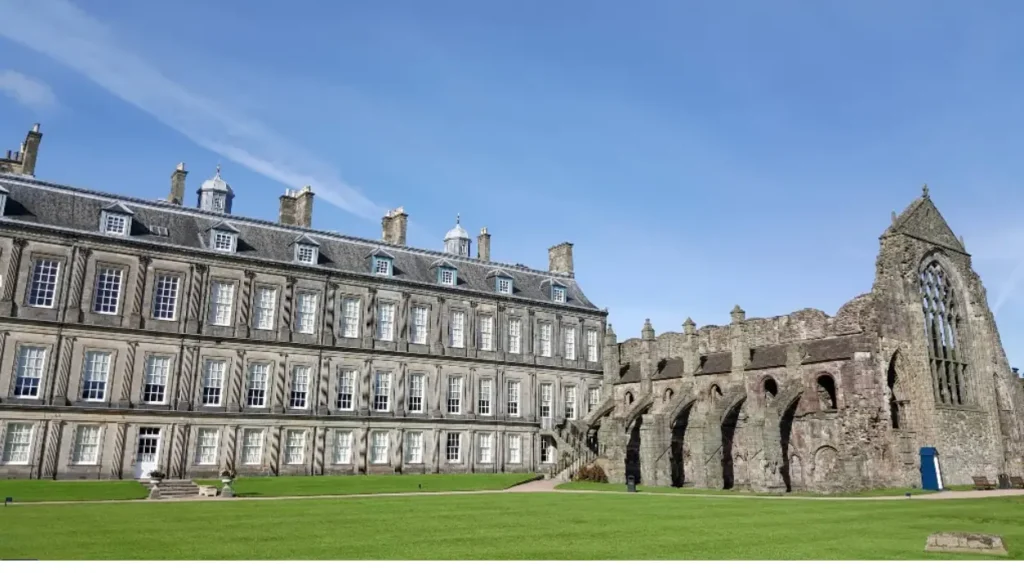
The Palace of Holyroodhouse, located at the eastern end of the Royal Mile, serves as the official Scottish residence of the British Monarch. The palace grounds and historic interiors feature comprehensive step-free access routes.
Main visitor entrances feature smooth stone floors and access ramps, while internal passenger lifts serve Mary, Queen of Scots’ chambers and the State Apartments. Free wheelchairs and walking stick seats are available upon arrival, and audio tours feature adjustable volume controls and descriptive audio commentary options for visitors.
The National Museum of Scotland on Chambers Street is one of the most accessible cultural institutions in the United Kingdom. The building features level street access from Chambers Street, automatic entrance doors, wide corridors, and glass passenger lifts servicing all six floors.
The exhibition galleries contain interactive displays, seating areas within every hall, wheelchair-accessible restrooms, and changing places facilities. The rooftop terrace is fully accessible via internal lifts, delivering panoramic views across the city skyline without requiring stair climbing.
The Scottish National Gallery, positioned along the Mound overlooking Princes Street Gardens, houses Scotland’s national collection of fine art. Following a major redevelopment project, the gallery offers level entrances from Princes Street Gardens, spacious gallery rooms, low-reflection display lighting, and wheelchair hire.
Smooth hardwood flooring facilitates easy movement using mobility aids, while seating benches are positioned in front of major artworks, allowing visitors to view displays comfortably at a relaxed pace.
How Can Older Travellers Best Manage the Cobblestones and Steep Hills of the Old Town?
Visitors navigate historic cobblestones and steep inclines by utilizing smooth stone flags along pavement edges, wearing cushioned supportive footwear, taking frequent rests at local cafes, and utilizing short taxi rides for uphill journeys.
The Old Town’s medieval geography presents physical challenges due to uneven setts, commonly referred to as cobblestones, and steep gradients. Street setts create vibration and uneven surfaces underfoot, increasing the risk of trips or joint discomfort for older adults.
City planners have addressed this by inserting smooth sandstone flags and flattened granite strips along key pedestrian corridors, including segments of the Royal Mile and Victoria Street. Walking along these smooth pavement strips reduces foot fatigue and ensures stable foot placement.
Footwear selection plays a critical role in managing physical fatigue and maintaining stability on stone surfaces. Supportive walking shoes equipped with thick, shock-absorbing rubber soles, arch support, and non-slip tread patterns are essential for navigating damp stones and stone stairs.
Shoes with thin soles or elevated heels should be avoided, as they offer minimal impact absorption and increase instability on sloped surfaces. Utilizing lightweight, collapsible trekking poles or supportive walking sticks provides extra points of contact and balance on inclined paths.
Pacing strategies prevent exhaustion when exploring elevated historic quarters. Older travellers should structure itineraries to walk downhill rather than uphill whenever possible.
For example, visitors can take a short taxi ride or bus service to the top of the Royal Mile at Edinburgh Castle, then walk down the gradual slope toward Holyroodhouse. Breaking long walks into short intervals with scheduled stops at historic tea rooms, cafes, and public park benches ensures continuous physical recovery throughout the day.
Utilizing short-hop vehicular transit allows visitors to bypass the steepest inclines entirely. Victoria Street, constructed between 1829 and 1836 to link George IV Bridge with the Grassmarket, features a steep curved gradient lined with historic shops.
Travellers can view the upper terrace via level access from George IV Bridge and take an accessible taxi down to the Grassmarket level, avoiding the physical strain of ascending or descending the steep stone steps of the West Bow.
Where Are the Most Quiet and Low-Stress Places to Relax in the City Center?
The Royal Botanic Garden, Dean Village, the Scottish National Gallery of Modern Art grounds, and Dunbars Close Garden provide quiet environments, abundant seating, low noise levels, and relaxing natural surroundings.
Managing sensory exposure and physical exertion requires access to quiet, low-stress environments within the urban core. The Royal Botanic Garden Edinburgh, located one mile north of the city center, spans seventy acres of peaceful green spaces.
The gardens feature broad, smooth tarmac paths, rare plant collections, glasshouses, and sheltered seating pavilions. The terrain is largely flat, providing a tranquil atmosphere away from urban traffic sounds, complemented by accessible cafes serving refreshments near the main entrance gates.
Dean Village is a former grain milling hamlet situated along the Water of Leith, located a short distance from Princes Street. The area features historic nineteenth-century mill buildings, stone bridges, and quiet residential lanes defined by low noise levels.
Visiting Dean Village during early morning hours provides an exceptionally quiet experience, allowing older travellers to enjoy picturesque river architecture at a gentle pace without encountering crowds or heavy vehicle traffic.
The Scottish National Gallery of Modern Art consists of two historic buildings, Modern One and Modern Two, set within extensive landscaped sculpture parks. Situated west of the city center, the grounds feature wide lawn terraces, earthworks designed by Charles Jencks, smooth walking paths, and outdoor seating.
The galleries themselves offer spacious indoor environments with lower visitor density than central historic museums, providing an unhurried cultural experience with full lift access and dining facilities.
Dunbars Close Garden, tucked away off the Royal Mile near Canongate, offers a hidden seventeenth-century style garden laid out in formal parterres. Enclosed by stone walls, this tranquil garden blocks out the bustling sound of Royal Mile traffic.
It features gravel pathways, manicured box hedges, flowering trees, and stone benches. It provides an ideal resting spot for older tourists exploring the historic Royal Mile who require a quiet, seated break before continuing their journey.
What Accommodation Areas Offer the Best Accessibility and Convenience for Seniors?
The West End, the Georgian New Town near St Andrew Square, and the Haymarket district offer flat streets, step-free hotels, excellent public transit links, and immediate proximity to essential amenities.
Selecting the right neighborhood for accommodation reduces daily transit friction and minimizes physical fatigue. The West End offers an ideal balance of quiet residential character, Georgian architecture, and level streets.
Hotels in this district are often housed in converted townhouses or modern buildings equipped with wide doors, passenger lifts, step-free entrances, and walk-in showers. The West End is well served by the tram line and major bus routes, providing direct connections to Princes Street and Waverley Station.
The area surrounding St Andrew Square in the eastern New Town presents another highly accessible accommodation hub. This area features modern hotel developments designed to full modern accessibility standards, complete with level thresholds, wide corridors, step-free dining areas, and accessible guest rooms.
Staying near St Andrew Square provides immediate flat walking access to George Street, the St James Quarter shopping district, the Bus Station, and the eastern tram terminus, eliminating the need to navigate steep hills.
Haymarket, located at the western edge of the city center, functions as a major transport interchange featuring a rail station, tram stop, and numerous bus lines. The surrounding streetscape is predominantly flat, offering easy walking routes to local pharmacies, grocery stores, cafes, and restaurants.
Hotels in the Haymarket region are frequently modern constructions designed specifically for international travellers, offering reliable elevator access, roll-in showers, and dedicated assistance staff available around the clock.
When booking accommodation, older travellers should communicate specific accessibility needs directly with hotel management prior to arrival. Key features to confirm include step-free entrance ramps, lift dimensions capable of accommodating mobility aids, step-in shower stalls equipped with grab bars, and proximity of the room to main elevators.
Requesting quiet rooms facing internal courtyards rather than busy main thoroughfares guarantees restful sleep conditions, supporting overall health and well-being during the stay.
What is the best time of year for older travellers to visit Edinburgh to avoid large crowds?
May, September, and October offer the best combination of mild weather, manageable visitor numbers, and full operational hours for major attractions, avoiding peak summer festival crowds.
Are wheelchairs and mobility scooters available for hire in Edinburgh?
Yes, local mobility providers offer short-term rentals of wheelchairs and scooters, with delivery available directly to your hotel or accommodation upon request.
How accessible is public transport from Edinburgh Airport to the city center?
The Edinburgh Trams system provides direct, step-free transport from the airport terminal to central locations, featuring level boarding platforms and dedicated spaces for mobility equipment.
Are there accessible public restrooms available throughout central Edinburgh?
Accessible public toilets equipped with RADAR key locks and automatic sliding doors are located at central transport hubs, public parks, shopping centers, and major museums.
Does the Royal Mile have places to sit and rest during the walk down?
Numerous wooden benches, pedestrian plazas, historic churchyards, and sidewalk cafes line the Royal Mile, offering frequent opportunities to rest while walking between sites.