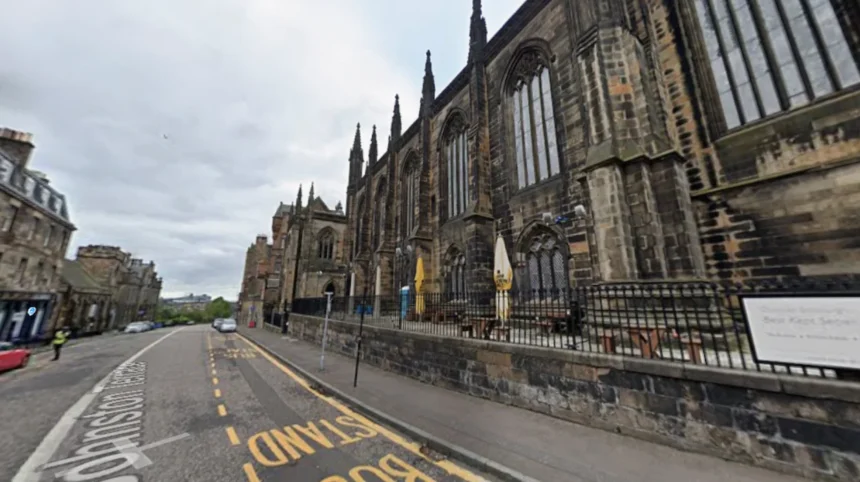
Edinburgh offers extensive cultural attractions and public spaces that require no paid admission throughout the year. The Scottish capital maintains a national policy of providing free entry to state-funded museums, art galleries, and public parks.
- Which free museums offer the best cultural experiences in Edinburgh?
- How can visitors explore Edinburgh’s national art galleries for free?
- What outdoor natural spaces and parks are open to the public for free?
- Which historic landmarks and public walks cost nothing to explore?
- What are the best free viewpoints and hiking trails around Edinburgh?
- How can travelers experience Edinburgh’s culture and history for free?
- What is the single best free thing to do in Edinburgh for first-time visitors?
- Are all national art galleries in Edinburgh completely free to enter?
- Is it free to climb Arthur’s Seat and explore Holyrood Park?
- Can you visit Greyfriars Kirkyard and see Greyfriars Bobby for free?
- Do you need tickets to walk through the Royal Botanic Garden Edinburgh?
Visitors can access centuries of history, royal parks, world-class art collections, and architectural landmarks without spending money. The compact geography of the city center allows travelers to navigate between major sites on foot, eliminating daily transportation expenses. Seasonal events, public walking routes, and historic neighborhoods offer endless outdoor and indoor exploration opportunities regardless of the weather.
The policy of free access to national institutions was established by the Scottish Government to encourage public education and cultural tourism. Major venues like the National Museum of Scotland and the Scottish National Gallery operate under this public mandate.
The city layout features designated pedestrian zones, public commons, and protected green spaces established during the Scottish Enlightenment in the eighteenth century. Modern infrastructure supports free pedestrian access across the UNESCO World Heritage sites of the Old Town and New Town.
Edinburgh combines high-density historic architecture with accessible wilderness areas. Examples include Holyrood Park, the Royal Botanic Garden, and the Water of Leith Walkway. Budget travelers can structure complete itineraries around zero-cost entry points across all four seasons.
Free permanent exhibitions change display items regularly, providing returning visitors with new experiences. The presence of public university buildings, open historic graveyards, and civic monuments ensures that educational and visual attractions remain universally accessible to all global travelers.
The economic model of Edinburgh tourism relies heavily on open public assets that drive surrounding local commerce. By offering free entry to core cultural sites, the city attracts international visitors who support local hospitality, transport, and retail sectors.
Free public access democraticizes exposure to Scottish heritage, art, and natural science. Future urban planning developments in the city continue to prioritize green spaces, walkable urban corridors, and publicly accessible cultural venues to sustain this balanced civic framework.
Which free museums offer the best cultural experiences in Edinburgh?
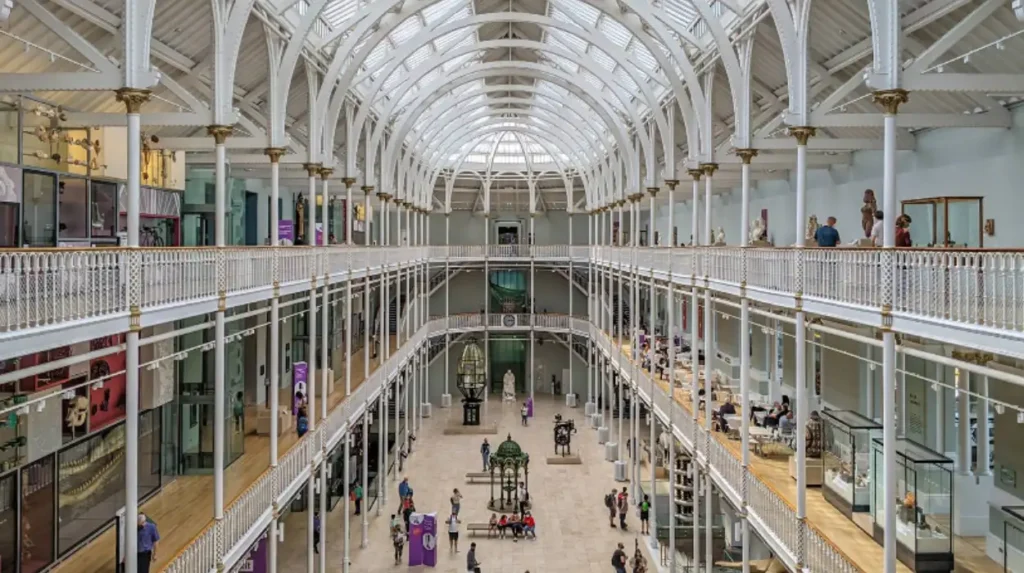
The National Museum of Scotland and the Writers Museum deliver world-class historical exhibits without charging entry fees. Located on Chambers Street, the National Museum of Scotland houses over twenty thousand artifacts spanning natural history, science, technology, world cultures, and Scottish antiquity.
The Writers Museum on the Royal Mile focuses on the literary legacies of Robert Burns, Sir Walter Scott, and Robert Louis Stevenson. Additional free civic museums include the Museum of Childhood, the People’s Story Museum, and the Museum of Edinburgh.
The National Museum of Scotland formed through the 2006 merger of the Museum of Scotland and the Royal Museum. The Victorian-era Grand Gallery opened in 1866, featuring iron architecture inspired by the Crystal Palace in London.
The Writers Museum resides within Lady Stair’s House, constructed in 1622 by Sir John Smith. These institutions preserve physical artifacts that document the evolution of Scottish society from prehistoric times through the industrial revolution to the modern digital era.
Visitors inside these facilities encounter rare items and educational displays. Examples include Dolly the cloned sheep, the Lewis Chessmen, the Arthur’s Seat coffins, and original manuscripts written by Robert Louis Stevenson.
Interactive science galleries allow hands-on learning for all age groups. The rooftop terrace of the National Museum of Scotland delivers panoramic views across the city skyline and Edinburgh Castle, serving as an additional free attraction within the building.
Free museum access influences public learning and national heritage preservation by keeping historical records open to all communities. These institutions utilize public funding and corporate sponsorships to maintain collection care while eliminating financial barriers for guests.
Digital archives, rotating temporary exhibitions, and educational outreach programs extend the impact of these venues beyond physical visits. As educational technology advances, these free museums continue to integrate interactive digital exhibits alongside physical historic collections.
How can visitors explore Edinburgh’s national art galleries for free?
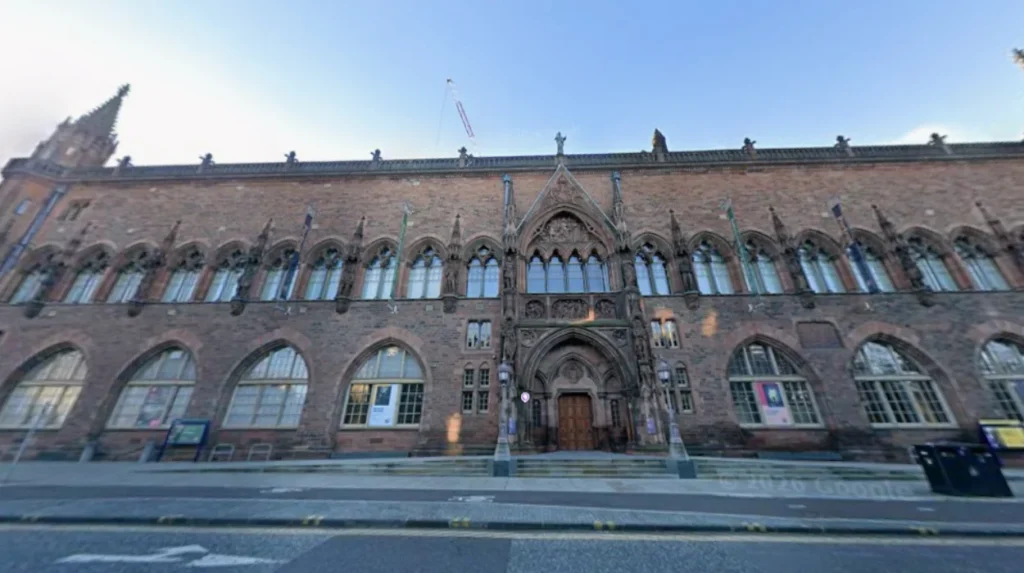
The National Galleries of Scotland operate three major public art venues in central Edinburgh with free admission. The Scottish National Gallery on The Mound displays European paintings and Scottish masterpieces from the Renaissance to the early twentieth century.
The Scottish National Portrait Gallery on Queen Street exhibits portraits of prominent historical and contemporary figures. The Scottish National Gallery of Modern Art occupies two buildings, Modern One and Modern Two, set within a free sculpture park on Belford Road.
The Scottish National Gallery building was designed by architect William Henry Playfair and opened to the public in 1859. The Scottish National Portrait Gallery opened in 1889 as the first purpose-built portrait gallery in the world, housed in a red sandstone neo-Gothic palace. These galleries were founded to preserve national artistic heritage and provide fine art education to the general public regardless of economic status.
The collections feature iconic artworks from prominent international and Scottish artists. Examples include paintings by Rembrandt, Claude Monet, Vincent van Gogh, Sir Henry Raeburn, and Alexander Moffat. Visitors to the Scottish National Portrait Gallery can view the Great Hall decorated with friezes by William Hole depicting historic Scottish leaders. Modern One features outdoor landform sculptures designed by Charles Jencks alongside works by Henry Moore and Barbara Hepworth.
Free gallery access fosters cultural literacy and supports artistic education across diverse public demographics. By removing ticket prices for permanent collections, the galleries allow visitors to engage with fine art repeatedly.
The institutions sustain operations through government funding grants, private donations, and retail sales from on-site shops. Ongoing conservation efforts ensure that these public collections remain protected and freely viewable for future generations of international art enthusiasts.
What outdoor natural spaces and parks are open to the public for free?
Holyrood Park, the Royal Botanic Garden, and Princes Street Gardens provide expansive free outdoor environments within the city. Holyrood Park covers 650 acres of volcanic landscape adjacent to the Palace of Holyroodhouse.
The Royal Botanic Garden Edinburgh encompasses 72 acres of curated living plant collections one mile north of the city center. Princes Street Gardens divides the Old Town from the New Town, offering manicured lawns and seasonal floral displays directly below Edinburgh Castle.
Holyrood Park has existed as a royal park since 1541 when King James V enclosed the land for royal hunting grounds. The Royal Botanic Garden was originally established in 1670 at Holyrood as a physic garden for growing medicinal plants, moving to its current Inverleith site in 1820. Princes Street Gardens was created in the 1820s following the draining of the Nor Loch, a polluted body of water that previously served as a natural moat for the city.
These green spaces contain diverse botanical, geological, and historical features. Examples include the Rock Garden and Chinese Hillside at the Botanics, the Ross Fountain in West Princes Street Gardens, and St Anthony’s Chapel ruins in Holyrood Park. Visitors can walk along designated pathways, picnic on open lawns, or observe local bird species around St Margaret’s Loch. These parks remain open daily throughout spring, summer, autumn, and winter.
Urban parks serve vital ecological and health functions by providing clean air corridors and outdoor recreational space for residents and tourists. The preservation of these green zones protects local biodiversity and prevents dense urban overdevelopment. Municipal management and conservation trusts maintain these environments to ensure safe, zero-cost access. Future urban climate resilience strategies rely heavily on these open spaces to manage urban heat and absorption of rainwater runoff.
Which historic landmarks and public walks cost nothing to explore?
The Royal Mile, Calton Hill, and Dean Village provide freely accessible outdoor heritage environments featuring historic architecture. The Royal Mile runs through the heart of the Old Town, connecting Edinburgh Castle to Holyrood Palace across a Scots mile.
Calton Hill houses prominent civic monuments at the eastern end of Princes Street, delivering elevated city views. Dean Village is a tranquil historic settlement positioned along the Water of Leith, showcasing former grain milling architecture.
The Royal Mile developed over eight centuries as the primary thoroughfare of medieval Edinburgh, lined with narrow stone alleys known as closes and wynds. Calton Hill became a public park in 1724, evolving into a central focus for Scottish Enlightenment architecture during the nineteenth century. Dean Village operated as a separate water-powered milling community for over eight hundred years before being fully absorbed into the municipal boundaries of Edinburgh during the late nineteenth century.
Exploring these landmarks exposes visitors to architectural structures and historic monuments. Examples include the National Monument on Calton Hill, the Dugald Stewart Monument, St Giles’ Cathedral on the Royal Mile, and Well Court in Dean Village. Pedestrians can walk along the Water of Leith Walkway, step through historic closes like real-life literary settings, and observe medieval stone masonry without buying tickets.
Public monuments and historic streets preserve the tangible heritage of the nation while allowing unrestricted public access. Pedestrian access to these outdoor sites reduces traffic congestion in central districts and promotes sustainable urban walking tourism.
City conservation policies regulate building alterations along these routes to maintain architectural authenticity. Continuous public maintenance ensures these open-air historical assets remain safe and intact for global visitors.
What are the best free viewpoints and hiking trails around Edinburgh?
Arthur’s Seat, Calton Hill, and the Pentland Hills offer free hiking trails with unobstructed views of Edinburgh and the Lothians. Arthur’s Seat stands as an extinct volcano reaching an elevation of 251 meters above sea level in Holyrood Park.
Calton Hill provides a low-intensity climb with paved paths near the city center. The Pentland Hills Regional Park lies southwest of the city, offering over 100 kilometers of countryside trails.
Arthur’s Seat was formed by an extinct volcano system that erupted during the Carboniferous period approximately 350 million years ago. Glaciers during the last ice age eroded the surrounding rock, leaving the exposed crags and basalt peak visible today. The hill served as a hillfort settlement for ancient Votadini tribes during the Iron Age, leaving visible earthwork remains across its slopes.
Hikers accessing these summits experience varied terrain types and panoramic vantage points. Examples include the radical road along Salisbury Crags, the grassy slopes of Dunsapie Loch, and the Allermuir Hill peak in the Pentlands. From these vantage points, visitors can spot the Firth of Forth bridges, Fife, Edinburgh Castle, and the surrounding Scottish countryside. Trails range from gentle fifteen-minute walks to rigorous multi-hour hikes across open moorland.
Free outdoor hiking locations improve public health by encouraging outdoor exercise and connection with natural landscapes. These protected natural environments are managed by local councils and countryside rangers to prevent soil erosion and conserve wild bird habitats. Clear path markers and public access legislation under the Land Reform (Scotland) Act 2003 guarantee the right to responsibly roam across these landscapes at all times without entry charges.
How can travelers experience Edinburgh’s culture and history for free?
Visitors can experience Edinburgh’s culture through self-guided historic graveyard tours, free church admissions, and street performance spaces. Greyfriars Kirkyard offers free entry to a historic burial ground containing seventeenth-century monuments.
St Giles’ Cathedral on the Royal Mile welcomes visitors inside to view medieval stone arches and stained glass windows without mandatory fees. The Royal Mile acts as an open-air theater during August, hosting free festival performances.
Greyfriars Kirkyard was established in December 1562 after Mary, Queen of Scots, granted the land to the town council to serve as a burial site. It became the site where the National Covenant was signed in 1638, sparking major religious political movements in Scottish history. St Giles’ Cathedral dates from the twelfth century and served as the focal point of the Scottish Reformation led by John Knox.
Cultural sites across the city contain specific historic details and artistic elements. Examples include the Thistle Chapel inside St Giles’, the grave of Greyfriars Bobby, the Covenanters’ Prison, and the Victorian grave monuments of prominent Enlightenment thinkers. Visitors can attend free organ recitals inside St Giles’ or watch independent musicians, pipers, and street acrobats perform along the cobblestones of the Royal Mile year-round.
Free access to living cultural sites keeps historic traditions active within the everyday modern life of the city. Donations given by visitors support the structural preservation of historic church masonry and graveyard monuments. The continuous public availability of these sites ensures that local heritage remains visible, accessible, and integrated into global educational tourism.
What is the single best free thing to do in Edinburgh for first-time visitors?
The National Museum of Scotland is widely considered the top free attraction for first-time visitors due to its massive, diverse collections and indoor accessibility. Located on Chambers Street, it features dynamic galleries covering Scottish history, natural science, and world culture. It also includes a free rooftop terrace offering open views of Edinburgh Castle and the surrounding Old Town skyline.
Are all national art galleries in Edinburgh completely free to enter?
Yes, admission to the permanent collections at all venues of the National Galleries of Scotland is entirely free of charge. This includes the Scottish National Gallery on The Mound, the Scottish National Portrait Gallery on Queen Street, and both Modern One and Modern Two buildings. Some special temporary exhibitions inside these galleries may occasionally require a paid ticket.
Is it free to climb Arthur’s Seat and explore Holyrood Park?
Climbing Arthur’s Seat and walking anywhere within Holyrood Park is completely free and open to the public twenty-four hours a day. Visitors do not need tickets or permits to walk along the footpaths, visit St Margaret’s Loch, or hike up to the peak. Good footwear is recommended as the rocky terrain can become slippery during wet weather conditions.
Can you visit Greyfriars Kirkyard and see Greyfriars Bobby for free?
Yes, Greyfriars Kirkyard is a public cemetery that is free to enter and walk around throughout the day. Visitors can view the historic gravestones, the Covenanters’ Prison, and the monument to Greyfriars Bobby inside the gates. The famous bronze statue of Greyfriars Bobby is also located right outside the graveyard entrance on George IV Bridge, entirely free to view.
Do you need tickets to walk through the Royal Botanic Garden Edinburgh?
Entry to the seventy-two acres of outdoor grounds at the Royal Botanic Garden Edinburgh is free for all visitors. You can explore the outdoor plant collections, rock gardens, and walking trails without buying a ticket. However, entry to the specific indoor Victorian glasshouses requires a paid admission ticket.