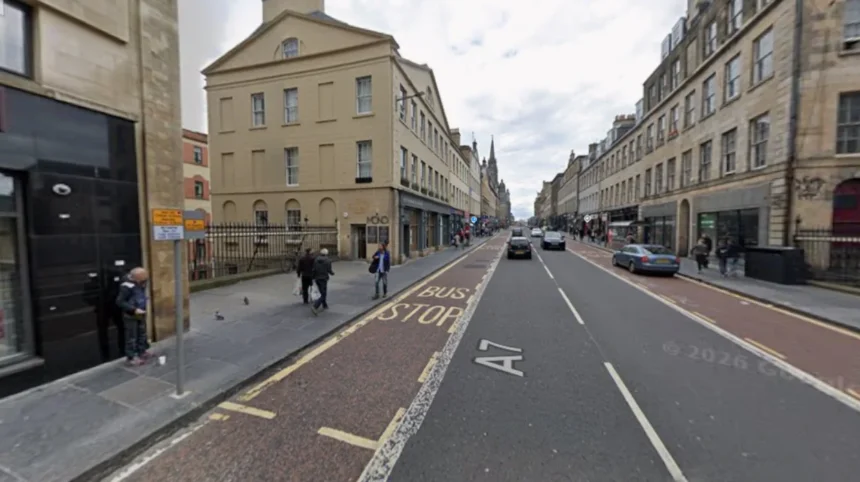
The historic expansion of Southside and Newington began in the late eighteenth century as Edinburgh expanded beyond the medieval boundaries of the Old Town. Agricultural land transformed into structured urban streets to accommodate a growing professional class and academic institutions.
- How does University of Edinburgh shape Southside and Newington?
- What are the primary historical landmarks in Southside and Newington?
- How do students experience daily life in Southside and Newington?
- What housing options exist for students in Southside and Newington?
- How does Edinburgh Festival Fringe impact Southside and Newington?
- What green spaces and geography border Southside and Newington?
- What is the average rent for a student flat in Newington?
- Is Southside Edinburgh a safe neighborhood for international students?
- How far is Newington from the University of Edinburgh main campus?
- What are the main bus routes connecting Southside to other parts of Edinburgh?
- Where do students study in Southside outside of the university library?
The construction of South Bridge in 1788 created a direct transport link from the Royal Mile to Nicolson Street. This infrastructure project allowed rapid residential construction across Newington throughout the Victorian era. Densely built tenement blocks defined the northern district near Surgeons’ Hall, while larger semi-detached villas expanded southward toward Blackford Hill.
The establishment of the University of Edinburgh building projects in George Square during the nineteenth and twentieth centuries solidified the zone as an academic stronghold. The district preserved its structural layout while transitioning into a high-density student area.
How does University of Edinburgh shape Southside and Newington?
The University of Edinburgh functions as the primary economic and demographic driver across the Southside and Newington districts. Academic faculties, lecture halls, and administrative buildings occupy major blocks around George Square and Nicolson Street.
Thousands of matriculated students move through these facilities daily during academic terms, sustaining local retail trade. Commercial businesses along Clerk Street align their operating models to serve the student demographic. Coffee shops, second-hand bookstores, cheap dining venues, and copy centres line the commercial thoroughfares.
Residential properties predominantly operate as Houses in Multiple Occupation, housing undergraduate and postgraduate groups. The university presence converts the historic residential quarter into a active university town environment.
What are the primary historical landmarks in Southside and Newington?
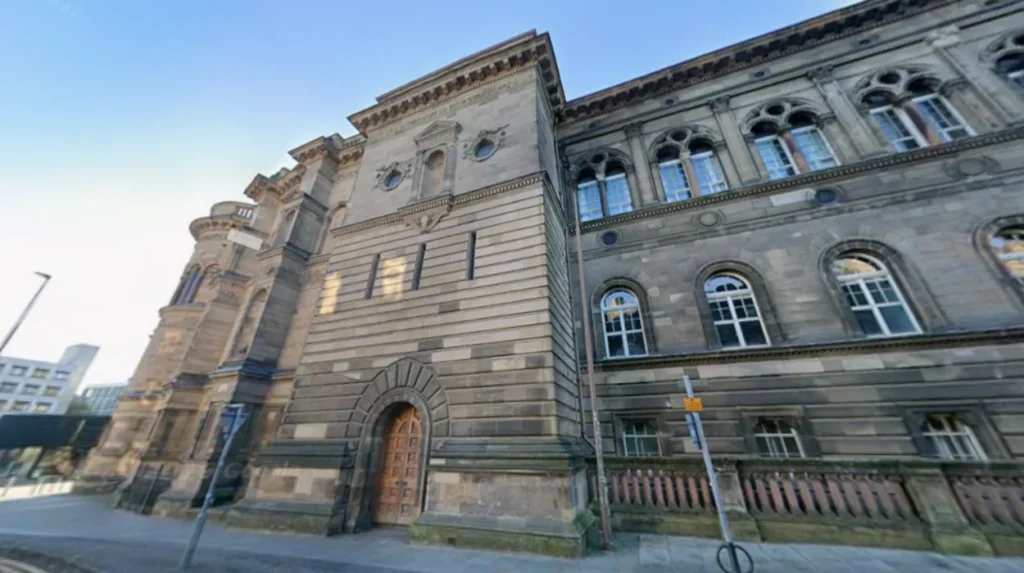
Southside and Newington feature significant heritage sites including Surgeons’ Hall Museums, the Summerhall complex, and the historic McEwan Hall. Surgeons’ Hall on Nicolson Street dates back to 1832 and houses pathological collections maintained by the Royal College of Surgeons of Edinburgh.
Summerhall occupies the former site of the Royal Dick Veterinary College at Leonard’s Bank, operating as a arts venue that retains original architectural elements. McEwan Hall stands as a monument of Victorian graduation architecture completed in 1897.
St Leonard’s Church and historic tenement lines display traditional Scottish ashlar masonry designs. These physical assets ground the student district in centuries of medical research, artistic production, and architectural heritage.
How do students experience daily life in Southside and Newington?
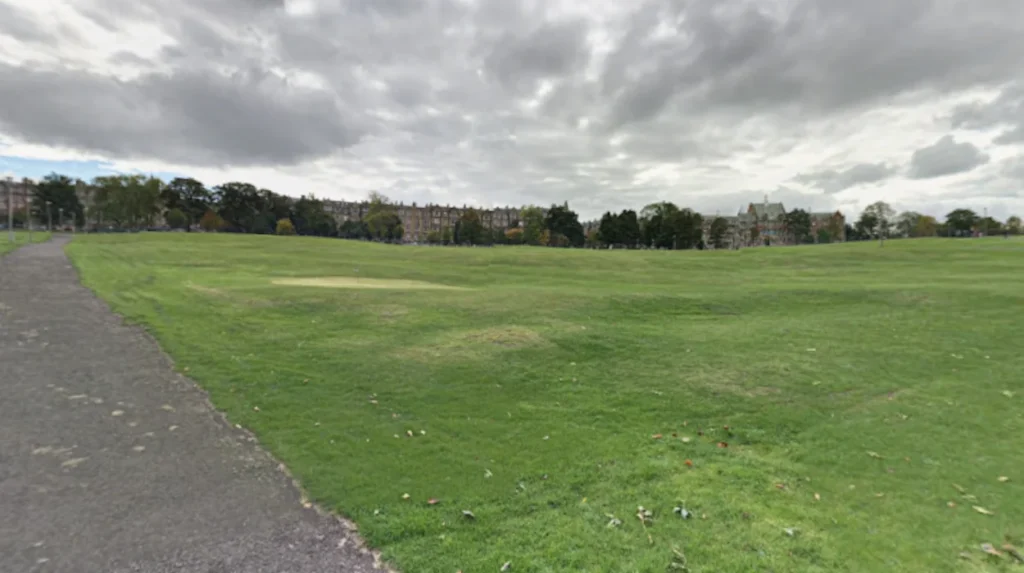
Daily student life in Southside and Newington balances academic commitments with accessible urban amenities and green spaces. Students walk between tenement flats and campus facilities around George Square within ten minutes. The Meadows park provides an expansive green common along the western border for recreation and outdoor study.
Commercial streets offer affordable global grocery shops, discount laundromats, and study cafes with free internet access. Nightlife venues include traditional pubs like The Pear Tree alongside small music halls and arts hubs. Excellent public transport connections via Lothian Buses allow direct routes to King’s Buildings campus or the city center.
What housing options exist for students in Southside and Newington?
Student housing in Southside and Newington splits between private rented tenement flats and purpose-built student accommodation facilities. Traditional sandstone tenements offer three to five bedroom layouts managed through private landlords or letting agencies.
Purpose-built student accommodation blocks provide self-contained studios or en-suite rooms with included utility bills. Rental prices reflect the central geographic location and proximity to core university buildings.
Students secure leases months before the September term start due to intense market demand. The neighborhood offers a dense, safe, and fully walkable living area for domestic and international students.
How does Edinburgh Festival Fringe impact Southside and Newington?
The Edinburgh Festival Fringe transforms Southside and Newington every August into an international performance district. University courtyards and historic spaces convert into temporary theater venues and pop-up bars. The Pleasance Courtyard and Summerhall host hundreds of daily theatrical performances, comedy shows, and musical acts.
Local streets experience intense pedestrian congestion as tourists, performers, and residents fill the thoroughfares. Commercial revenues for local hospitality businesses peak during this four-week festival window. The temporary population surge showcases the adaptability of the historic architectural infrastructure.
What green spaces and geography border Southside and Newington?
Southside and Newington are bounded by major public parks including The Meadows, Bruntsfield Links, and Holyrood Park. The Meadows forms a green boundary along the west, featuring tree-lined paths and sports pitches. Holyrood Park lies immediately to the east, offering immediate access to the extinct volcano of Arthur’s Seat and Salisbury Crags.
These natural areas offer outdoor relief from the high-density tenement streets. The geography transitions from flat urban terrain near Nicolson Street to rising hills toward Blackford Hill south of Newington. This geographic position gives residents direct access to outdoor recreation within walking distance.
What is the average rent for a student flat in Newington?
Average rent for a single room in a shared student tenement ranges between 650 and 850 pounds per month excluding utility bills. Purpose-built student accommodations in the Southside area cost between 850 and 1200 pounds per month with all bills included.
Is Southside Edinburgh a safe neighborhood for international students?
Southside is considered one of the safest residential and academic districts in Edinburgh due to high foot traffic and well-lit pedestrian corridors. Low crime rates and a constant police and university security presence make it secure for evening walking.
How far is Newington from the University of Edinburgh main campus?
Newington sits directly adjacent to the University of Edinburgh Central Campus around George Square. Walking from core Newington streets like Clerk Street takes approximately 5 to 10 minutes depending on the specific building location.
What are the main bus routes connecting Southside to other parts of Edinburgh?
Lothian Bus routes 8, 14, 29, 30, 33, 47, and 49 run continuously along the main Nicolson Street and Clerk Street corridor. These lines provide direct transportation to Waverley Train Station, the Royal Mile, Princes Street, and King’s Buildings.
Where do students study in Southside outside of the university library?
Students utilize public study spaces at the National Museum of Scotland on Chambers Street and independent coffee shops along South Bridge and Clerk Street. Summerhall also offers quiet cafe spaces and communal tables suitable for independent academic work.