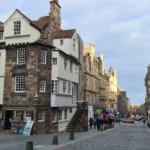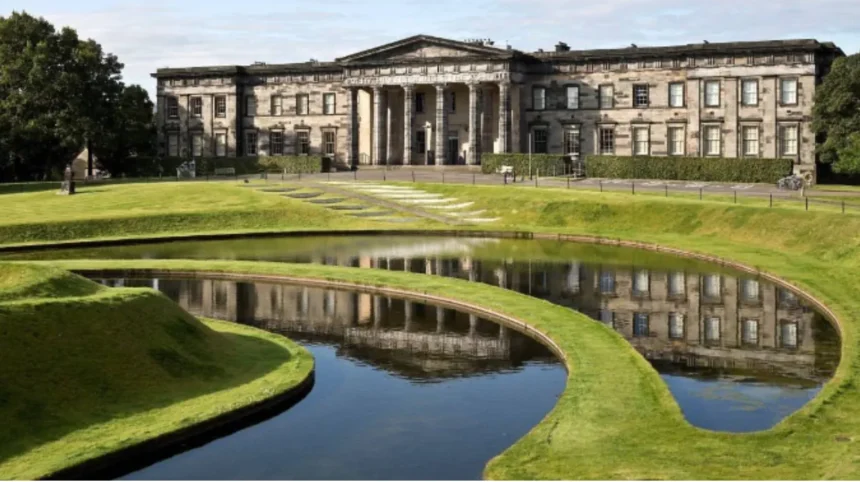
A 2-day evergreen itinerary in Edinburgh is a self-guided route through Scotland’s capital that remains relevant across all seasons. It combines historic landmarks like Edinburgh Castle with cultural spots, ensuring optimal logistics and minimal travel friction year-round.
Edinburgh is the capital city of Scotland and a UNESCO World Heritage site. The city is split into two primary historic zones: the medieval Old Town and the 18th-century Georgian New Town. Planning a 2-day evergreen itinerary requires balancing iconic monuments with efficient walking routes. Visitors explore Castle Rock, the Royal Mile, Holyrood Palace, and Calton Hill without relying on seasonal events. This structured travel framework accommodates changing weather conditions while maximizing historic exposure within 48 hours.
The foundation of Edinburgh dates back to the Bronze Age, with Castle Rock serving as a military stronghold since the 12th century. The Old Town grew around the ridge running down from the castle to Holyrood Abbey. In 1767, architect James Craig designed the New Town to relieve overcrowding. Today, the urban layout allows tourists to cross between medieval alleyways and neoclassical streets in minutes. A 48-hour timeline captures this architectural evolution without requiring vehicular transport for the central core.
An effective 2-day plan relies on sequential geographical clustering. Day 1 focuses on the volcanic ridge of the Old Town, progressing from west to east. Day 2 targets the New Town, Dean Village, and elevated vantage points like Calton Hill. Key elements include timed-entry tickets, indoor contingency options for rain, and strategic meal stops. According to the National Records of Scotland, Edinburgh welcomes over 4 million visitors annually, making pre-planned logistics essential for avoiding long entry queues at major historic sites.
How should you structure Day 1 in Old Town Edinburgh?
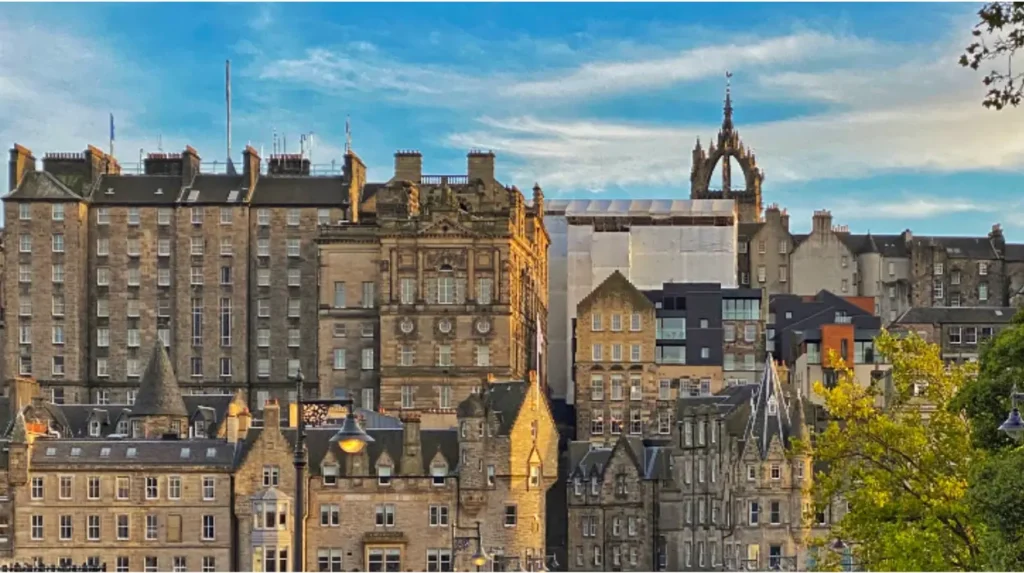
Day 1 in Old Town Edinburgh follows a linear downhill path from Edinburgh Castle along the Royal Mile to Holyrood Palace. This route incorporates medieval closes, historic cathedrals, and subterranean tours within a walkable 1.5-mile corridor.
The Old Town itinerary begins at Castle Hill on top of an extinct volcanic plug. Tourists should secure the earliest 9:30 AM entry ticket for Edinburgh Castle to view the Honours of Scotland and St Margaret’s Chapel. A thorough castle tour requires two hours. At 11:30 AM, descend the Royal Mile toward St Giles’ Cathedral, known for its 15th-century crown spire and Thistle Chapel. This morning segment establishes the medieval political and religious history of the city.
After visiting St Giles’ Cathedral, allocate time for lunch along Victoria Street or the Grassmarket. These areas offer independent dining options adjacent to historical sites. At 2:00 PM, enter The Real Mary King’s Close for a 1-hour guided underground tour. This preserved 17th-century alley complex sits beneath the City Chambers and illustrates plague history, housing conditions, and social hierarchies. The afternoon continues down the Canongate section of the Royal Mile toward the Palace of Holyroodhouse, the official Scottish residence of the British monarch.
The final stop of Day 1 is the Palace of Holyroodhouse and the adjacent 12th-century Holyrood Abbey ruins. Allow 90 minutes to explore the State Apartments and Mary, Queen of Scots’ historic chambers. Conclude the afternoon by walking to the base of Holyrood Park. For evening dining, return to the Old Town pubs near Cowgate or the Royal Mile. This 8-hour schedule covers 1.5 miles of walking distance with an elevation drop of approximately 160 feet from Castle Rock to Holyrood.
How should you structure Day 2 in New Town and beyond?
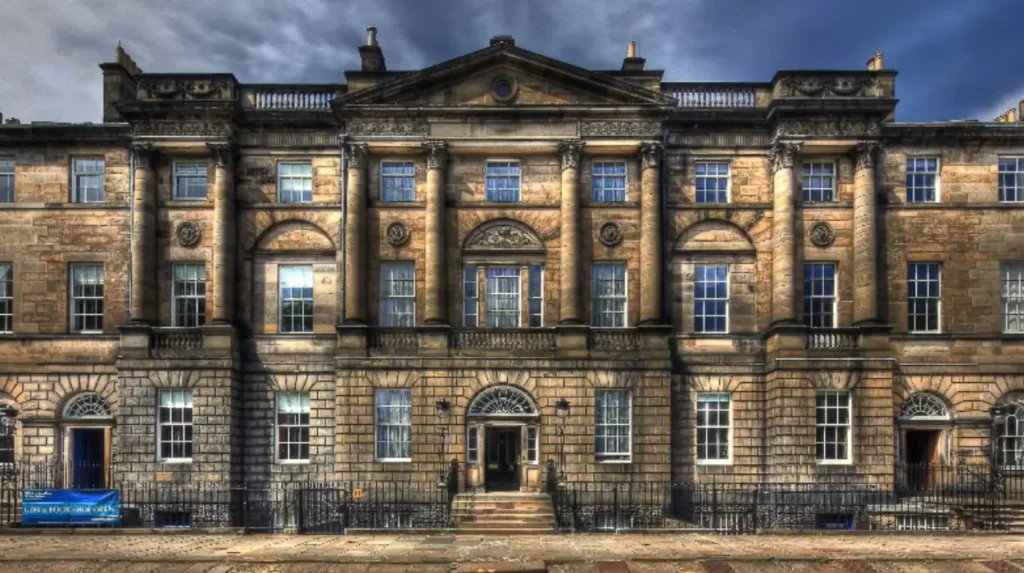
Day 2 explores Georgian architecture in the New Town, the picturesque riverside path of Dean Village, and sweeping panoramas from Calton Hill. This itinerary balances 18th-century urban planning with coastal and elevated viewpoints.
Morning on Day 2 begins at Charlotte Square in the New Town at 9:00 AM. Designed by Robert Adam, this square showcases classical Georgian townhouses, including The Georgian House museum. Walk west to Dean Village, a former 12th-century grain milling settlement situated along the Water of Leith. The quiet path along the river provides architectural contrast to the bustling city center. Spend 45 minutes taking photographs along Hawthorn Bank before heading toward Princes Street Gardens.
At 11:30 AM, enter the National Galleries of Scotland on Mound Place, which houses classical Scottish artwork, including pieces by Sir Henry Raeburn. Admission to the permanent collection is free. Cross Princes Street to view the Scott Monument, a Victorian Gothic tower standing 200 feet tall. Walk east along George Street for lunch at one of the renovated dining halls, such as The Dome. This afternoon route highlights the commercial and cultural expansion of 18th-century Edinburgh society.
By 2:30 PM, take Lothian Bus line 22 or 35 north toward the historic port of Leith. Visit the Royal Yacht Britannia, permanently berthed at Ocean Terminal. The self-guided audio tour of the five decks takes 2 hours. Return to the central area by 5:30 PM to climb Calton Hill for sunset. The hill features the National Monument, the Nelson Monument, and unobstructed views of the Old Town skyline. Finish the day with dinner in the New Town.
What are the essential logistics for a 2-day trip to Edinburgh?
Essential logistics for a 2-day Edinburgh trip include advance ticket bookings, Lothian bus navigation, strategic accommodation selection, and proper outerwear. Efficient transport and scheduling prevent lost time in a fast-paced 48-hour visit.
Transport logistics in central Edinburgh rely primarily on walking and public transit. The Edinburgh Trams connect Edinburgh Airport directly to St Andrew Square in 30 minutes for £7.50 single fare. Within the city, Lothian Buses operate a contactless tap-on system capped at daily maximum rates. Taxis and rideshare services are available but often slowed by pedestrianized streets around the Royal Mile. Walking remains the fastest transit method between Old Town and New Town attractions.
Pre-booking attraction tickets is mandatory for a 2-day itinerary. Historic Environment Scotland strictly limits daily admissions to Edinburgh Castle, resulting in sold-out time slots days in advance. The Palace of Holyroodhouse and The Real Mary King’s Close also operate on timed-entry models. Below is a summary of the core logistics required for execution:
- Accommodations: Stay in Old Town or New Town to remain within walking distance of key sites.
- Transit: Use Edinburgh Trams for airport transfers and Lothian Buses for Leith visits.
- Footwear: Wear sturdy, non-slip walking shoes due to cobblestone streets and steep inclines.
- Attraction Booking: Reserve castle, palace, and underground tours at least 3 weeks prior.
- Weather Clothing: Layer waterproof jackets and windproof garments year-round.
How much does a 2-day trip to Edinburgh cost?
A 2-day trip to Edinburgh costs between £180 and £450 per person, depending on accommodation style, dining choices, and paid entry fees. Mid-range budgets average £260 per person for attractions, food, and public transport.
Expense management during a short trip requires understanding site entry pricing and food costs. Ticket prices for major historical attractions are fixed. An adult entry to Edinburgh Castle costs approximately £19.50 when booked online, while the Palace of Holyroodhouse costs £20.00. Free public museums, such as the National Museum of Scotland and the National Gallery, reduce total attraction expenditures. Dining prices range from casual pub lunches to high-end Scottish cuisine in the New Town.
Budget accommodations in hostels start around £35 per night, while mid-range 3-star hotels in the city center range from £110 to £190 per night. Public transportation costs remain low due to daily caps on contactless payments across the Lothian Bus network. Dining out accounts for a significant portion of the budget, with pub meals averaging £15 to £22 per main dish. Visitors can reduce costs by purchasing groceries for breakfast and focusing on self-guided walking routes.
Is 2 days enough time to see Edinburgh?
Two days provides sufficient time to explore Edinburgh Castle, walk the Royal Mile, visit Holyrood Palace, and see the New Town. You can cover the core UNESCO historic areas on foot within 48 hours.
How do you get around Edinburgh without a car?
Central Edinburgh is highly walkable, allowing visitors to navigate Old Town and New Town on foot. For longer trips to Leith or the airport, use Lothian Buses or the Edinburgh Tram system.
What is the best month to visit Edinburgh?
May and September offer mild weather, daylight hours, and fewer tourist crowds than peak summer. August is extremely busy due to the Edinburgh Festival Fringe.
Can you hike Arthur’s Seat in 2 days?
Yes, climbing Arthur’s Seat takes about 1.5 to 2 hours round trip from Holyrood Park. It easily fits into the late afternoon schedule on Day 1 or Day 2.
What should you wear for a 2-day trip to Edinburgh?
Pack waterproof outer layers, comfortable walking shoes for cobbled streets, and warm clothing layers. Weather conditions change quickly across all seasons.