To experience Edinburgh like a local resident, individuals must navigate the city on foot, adopt seasonal daily routines, utilize public transport, frequent neighborhood businesses, and respect historical urban spaces. Residents integrate cultural traditions and local geography into their daily schedules.
- What Are the Daily Walking and Commuting Habits of Edinburgh Residents?
- How Do Locals Utilize Green Spaces and Public Parks Throughout the Year?
- What Are the Traditional Dining and Grocery Shopping Rhythms in Edinburgh?
- How Do Residents Experience the City During Major Cultural Festivals?
- What Are the Coastal and Waterway Living Habits along the Firth of Forth?
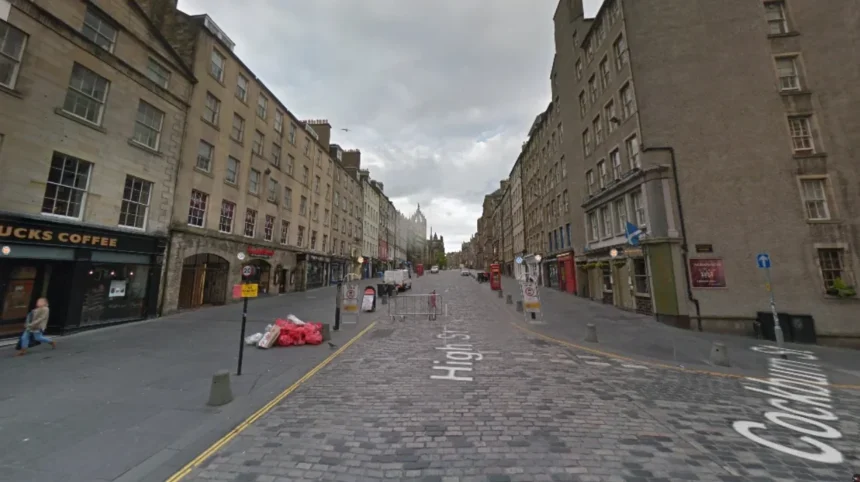
The urban development of Edinburgh reflects two distinct historical epochs that shape daily movement. The Old Town district features a medieval street layout based on a central spine known as the Royal Mile.
The New Town district, constructed between 1767 and 1850, displays Georgian neoclassical grid architecture designed by James Craig. These spatial contrasts require different walking strategies and transit choices for daily commuters and long-term residents.
Understanding Edinburgh’s microclimates and maritime geography is essential for local life. The city experiences a temperate maritime climate characterized by cool summers and mild winters.
Average daily temperatures range from three degrees Celsius in January to nineteen degrees Celsius in July. Wind patterns known as the coastal haar frequently bring fog from the North Sea across eastern neighborhoods. Local residents adapt by carrying waterproof clothing layers throughout the entire calendar year.
Residential life in Edinburgh relies heavily on distinct neighborhood ecosystems rather than city center tourism hubs. Neighborhoods such as Stockbridge, Bruntsfield, Leith, and Marchmont operate as self-contained communities with independent grocery shops, green spaces, and public facilities.
Residents spend their leisure time in these outer districts to avoid heavy tourist congestion along central arteries like Princes Street and the Royal Mile.
What Are the Daily Walking and Commuting Habits of Edinburgh Residents?
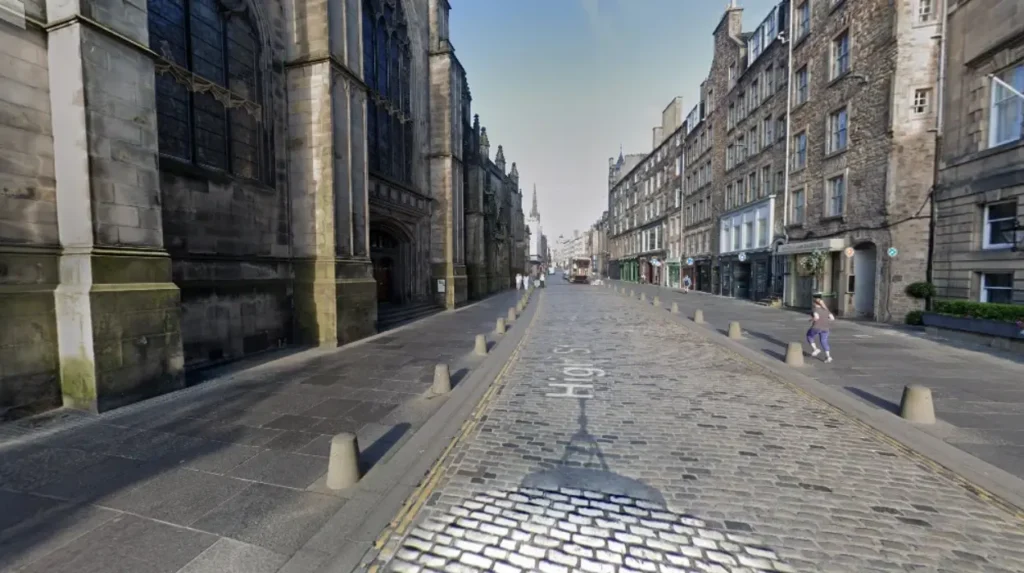
Edinburgh residents rely primarily on walking and public municipal transit to navigate the city safely and efficiently. Local commuters avoid driving personal vehicles in the historical city center due to limited parking, pedestrian zones, and congestion charge zones.
Walking is the dominant mode of transportation for internal city journeys in Edinburgh due to compact urban planning. The city features over nine hundred historic pedestrian alleyways known as closes or wynds in the Old Town.
These narrow passages allow residents to bypass main street pedestrian traffic and cut across steep elevation shifts. Local pedestrians routinely utilize public staircases like the News Steps to travel between low-lying streets and elevated thoroughfares.
Public transport in Edinburgh is operated primarily by Lothian Buses and Edinburgh Trams. Lothian Buses operates a fleet of over seven hundred double-decker vehicles serving over seventy routes across the city and surrounding Lothian regions.
The city transit system uses exact change or contactless payment validation systems for single trips and daily cap fares. The tram network connects Edinburgh Airport to the coastal district of Newhaven via the central artery of Princes Street.
Cycling infrastructure has expanded across Edinburgh through designated cycle tracks and shared path networks. The National Cycle Network Route 75 and Route 1 pass directly through the city, utilizing disused railway corridors converted into greenways.
The Innocent Railway path provides a continuous traffic-free route from the Southside neighborhood to East Lothian. Local cyclists use low-gear bicycle setups to manage the city’s volcanic topography and steep inclines.
How Do Locals Utilize Green Spaces and Public Parks Throughout the Year?
Locals utilize green spaces continuously across all four seasons for daily exercise, social gatherings, and commuting. The municipal government protects thirty-two public parks covering over forty-nine percent of the total urban land area in Edinburgh.
Holyrood Park is a six-hundred-acre royal park located adjacent to the Palace of Holyroodhouse in central Edinburgh. The park contains Arthur’s Seat, an extinct volcano rising to two hundred51 meters above sea level.
Local residents use Holyrood Park for daily running, hill walking, and dogwalking activities. The park contains three natural lochs: St Margaret’s Loch, Dunsapie Loch, and Duddingston Loch, which serve as crucial habitats for local waterfowl populations.
The Meadows is a large public park situated in the Southside district of Edinburgh, spanning approximately sixty-three acres. Historically a drained loch bed, the park features wide grassy fields, public tennis courts, play areas, and tree-lined avenues of cherry blossoms.
During spring and summer months, local residents gather at The Meadows for recreational sports, picnics, and outdoor relaxation. The park connects the University of Edinburgh central campus with residential districts.
In Royal Terrace Gardens and Inverleith Park, residents engage in horticulture and passive outdoor recreation. Inverleith Park sits directly opposite the Royal Botanic Garden Edinburgh, which spans seventy acres and holds a living collection of over thirteen thousand plant species.
Locals visit the Royal Botanic Garden for quiet walking routes and botanical research. Access to the main garden grounds remains free to the public throughout the year.
What Are the Traditional Dining and Grocery Shopping Rhythms in Edinburgh?
Edinburgh residents prioritize local neighborhood markets, independent butcher shops, and seasonal pub dining over centralized commercial venues. Food shopping patterns follow frequent small-batch purchases at neighborhood stores rather than large weekly supermarket visits.
Neighborhood food shopping centers on independent purveyors located along primary high streets. Stockbridge Market operates every Sunday along the Water of Leith, offering artisanal breads, Scottish cheeses, seafood, and warm prepared foods.
Daily shopping occurs at local fishmongers, bakeries, and greengrocers along Bruntsfield Place and Leith Walk. Residents buy seasonal Scottish produce including root vegetables, raspberries, soft fruits, and fresh seafood from the North Sea.
Dining schedules in Edinburgh conform to northern European mealtime conventions. Breakfast occurs between seven and nine in the morning, while lunch is typically consumed between twelve and two in the afternoon. Evening dining peaks early between six-thirty and eight in the evening. Traditional dining establishments feature regional staples such as haggis, neeps and tatties, Cullen skink, cullen skink smoked fish soup, and roasted Scottish lamb.
Pub culture plays a central social role in the weekly routine of Edinburgh residents. Historic public houses serve as community meeting points rather than simple drinking venues.
Establishments such as the Sheep Heid Inn in Duddingston, established in 1360, maintain long-standing community traditions. Pub patrons order local cask ales, single malt Scotch whiskies from nearby distillery regions, and craft beers produced by local Edinburgh breweries.
How Do Residents Experience the City During Major Cultural Festivals?
Residents navigate major cultural festivals by adjusting daily travel routes, booking venue tickets early, and visiting quieter neighborhood cultural hubs. Locals maintain regular work routines while selectively participating in festival events during peak August periods.
The Edinburgh Festival Fringe is the world’s largest arts festival, occurring annually throughout the month of August. In 2019, the festival featured over fifty-nine thousand performances across three hundred twenty-three venues.
During August, central population density increases significantly, leading residents to avoid high-density pedestrian areas such as the Royal Mile and Mound Precipice. Locals use alternative transit routes through back streets to bypass festival crowds.
Locals engage with festival programming through low-cost or preview ticket schemes. The Fringe Society offers resident ticket discounts, and local venues host free community arts initiatives.
Residents often attend performances held in non-traditional venues, including local libraries, church halls, pub basements, and public parks. This approach allows locals to support emerging artists while avoiding commercialized central hubs.
Outside the peak August festival season, residents support year-round cultural institutions across the city. The National Galleries of Scotland operates three main sites: the Scottish National Gallery, the Scottish National Portrait Gallery, and the Scottish National Gallery of Modern Art.
The National Museum of Scotland on Chambers Street houses over twelve million items covering world cultures, science, and Scottish history. Local entry to national museums remains permanently free.
What Are the Coastal and Waterway Living Habits along the Firth of Forth?
Locals integrate coastal living into their weekly schedules by visiting the shorelines of Portobello, Leith, and Cramond for water sports, walking, and dining. The coastal perimeter provides recreational relief from the dense urban core.
Portobello is Edinburgh’s primary seaside district, located three miles east of the city center along the Firth of Forth. The district features a two-mile sandy beach and a historic paved promenade constructed during the nineteenth century.
Local residents utilize Portobello Beach for year-round wild sea swimming, paddleboarding, rowing, and beach volleyball. Independent cafes, bakeries, and ice cream shops line the promenade along Portobello High Street.
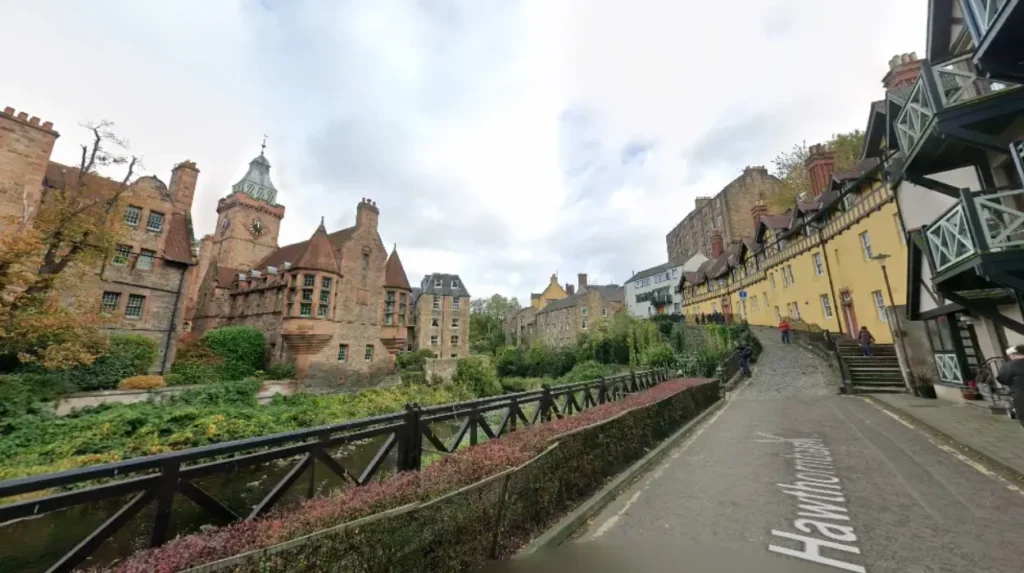
The Water of Leith is the main river flowing through Edinburgh, running twenty-four miles from the Pentland Hills to the port of Leith. The Water of Leith Walkway is a twelve-mile public footpath and cycle route following the river channel through the city.
Residents use the path for continuous green commuting between Balerno, Slateford, Dean Village, Stockbridge, and the Leith docks. The river corridor supports diverse urban wildlife including herons, otters, and kingfishers.
Leith operates as Edinburgh’s historic maritime port district, annexed by the city of Edinburgh in 1920. The district centers around the Shore, a waterfront street lined with historic converted warehouses, seafood restaurants, and pubs.
Residents gather along the Shore for evening outdoor dining and weekend walks. The area represents a major hub for creative industries, local design studios, and culinary businesses within the broader municipality.
How do locals get around Edinburgh without driving?
Locals navigate Edinburgh primarily by walking, using Lothian Buses, or riding the Edinburgh Tram system. The city’s compact footprint makes walking fast, while double-decker buses provide reliable transit to outer residential districts.
What is the best neighborhood to stay in for a local Edinburgh experience?
Neighborhoods like Stockbridge, Bruntsfield, and Leith offer an authentic residential atmosphere away from heavy tourist traffic. These areas feature independent cafes, local grocery markets, public parks, and direct transit access to the city center.
How do Edinburgh residents deal with bad weather?
Residents dress in functional waterproof layers, wear sturdy walking shoes, and carry compact umbrellas or rain jackets year-round. Locals adapt by moving between indoor cultural venues, historic pubs, and covered local markets when conditions are damp.
Where do Edinburgh locals go to avoid festival crowds in August?
During the August festival season, locals spend leisure time in coastal areas like Portobello and Cramond, or parks such as Inverleith Park. They also frequent suburban high streets like Bruntsfield and Morningside to avoid central crowds.
Is Edinburgh a dog-friendly city for local residents?
Edinburgh is extremely dog-friendly, with extensive public green spaces like The Meadows and Holyrood Park open to pets. Many local pubs, neighborhood shops, and outdoor cafes welcome dogs throughout the city’s residential districts.