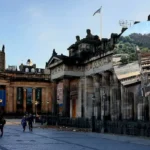
The establishment of cafes in Edinburgh began in 1677 when John Row opened the first documented coffee house in Robertson’s Land near Parliament Square. These early venues served as primary gathering places during the Scottish Enlightenment in the 18th century, fostering intellectual debate among philosophers, lawyers, and merchants without alcoholic distraction.
- What Standards Define Specialty Coffee and Roasting in Edinburgh Cafes?
- Where Are the Primary Neighborhood Clusters for Cafes in Edinburgh?
- How Does Municipal Policy and Visitor Levies Impact Local Cafes?
- How Do Layout and Seating Designs Affect Visitor Experience in Edinburgh Cafes?
- What Traditional Food and Pastries Accompanify Beverages in Edinburgh Cafes?
- Frequently Asked Questions
- What is the quietest time of day to work from a cafe in Edinburgh?
- Do independent cafes in Edinburgh offer free public Wi-Fi and charging sockets?
- Are dogs permitted inside most coffee shops across Edinburgh?
- What is the average cost of a specialty coffee beverage in Edinburgh?
- Which Edinburgh neighborhood has the highest density of specialty coffee roasters?
In 1677, the Royal Mile hosted the first public coffee establishment run by John Row. During the 18th century, prominent figures such as philosopher David Hume and economist Adam Smith frequented John’s Coffee House in Parliament Square. These locations provided warm meeting environments where patrons paid a penny entrance fee for access to newspapers and coffee. The Great Fire of 1824 destroyed several historic coffee houses in the Old Town district. The modern specialty coffee movement re-emerged in 2007 with the establishment of independent micro-roasters across the capital. Today, over 300 independent cafes operate across Edinburgh, combining three centuries of commercial heritage with modern espresso extraction technology.
What Standards Define Specialty Coffee and Roasting in Edinburgh Cafes?
Specialty coffee in Edinburgh cafes adheres to standard Specialty Coffee Association metrics, scoring above 80 points on a 100-point quality scale. Local roasters utilize precise water purification systems, temperature control at 93 degrees Celsius, and single-origin Arabica beans sourced directly from growers in Ethiopia, Colombia, and Guatemala.
The specialty coffee framework in Edinburgh relies on three core extraction parameters: grind particle uniformity, water total dissolved solids between 75 and 150 parts per million, and exact brew ratios. Roasteries such as Artisan Roast, Fortitude Coffee, and Cairngorm Coffee roast small batches under 15 kilograms to preserve volatile aromatic compounds. Baristas measure espresso extraction times precisely between 25 and 30 seconds to achieve optimal yield percentages. Milk texturing requires heating dairy to exactly 60 to 65 degrees Celsius to create stable microfoam without scalding proteins. These technical operational protocols ensure consistent beverage consistency across independent venues throughout the year.
How Do Micro-Roasters Source Their Coffee Beans?
Direct trade partnerships allow local roasters to purchase raw coffee green beans directly from agricultural cooperatives. Farmers receive prices exceeding Fairtrade minimum baselines by at least 20 percent, ensuring sustainable economic farming practices overseas.
Where Are the Primary Neighborhood Clusters for Cafes in Edinburgh?
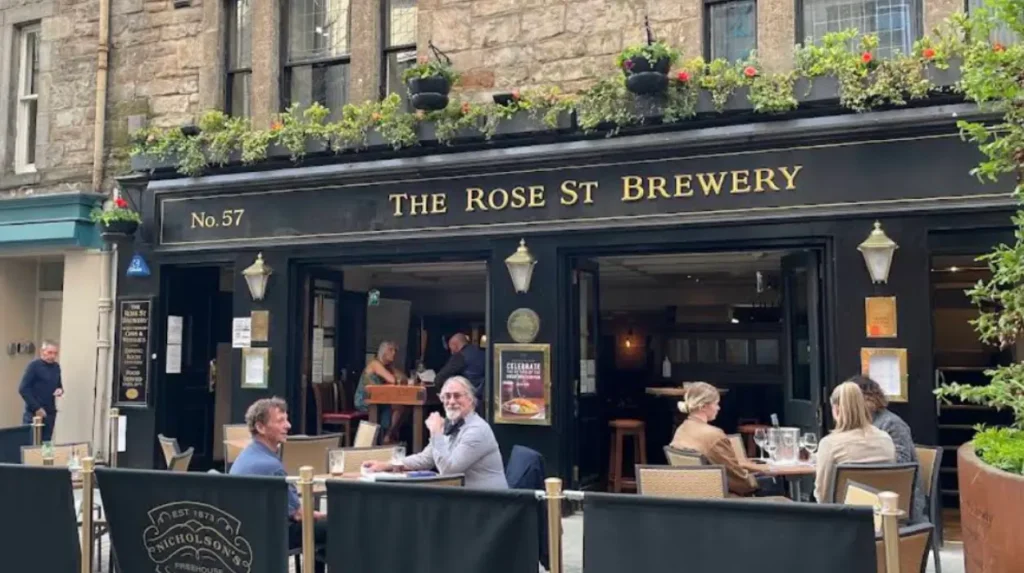
The highest concentration of independent cafes in Edinburgh exists across four distinct municipal zones: Old Town, New Town, Stockbridge, and Bruntsfield. Each geographical zone exhibits unique architectural structures, foot traffic patterns, customer demographics, and commercial rental rates.
The Old Town cluster around Victoria Street and the Royal Mile serves high volumes of international tourists and university students. The New Town grid along George Street and Rose Street accommodates corporate professionals and retail shoppers within Georgian building layouts. Stockbridge features residential neighborhood cafes along Circus Lane and Raeburn Place that cater to local residents seeking seating and artisan pastries. Bruntsfield and Marchmont offer high-density suburban cafes near public parks such as the Meadows. Commercial rents vary significantly across these zones, ranging from 45 pounds to 120 pounds per square foot annually depending on foot traffic volume.
What Architectural Styles Characterize Old Town and New Town Cafes?
Old Town cafes occupy medieval stone tenements featuring narrow timber frame doors, exposed stone walls, and vaulted basement rooms. In contrast, New Town establishments occupy Category A listed Georgian buildings built between 1767 and 1840, featuring floor-to-ceiling sash windows, high ornate plaster ceilings, and spacious single-level layouts.
How Does Municipal Policy and Visitor Levies Impact Local Cafes?
Municipal commercial policy, commercial rates, and visitor taxation directly influence operational costs for food and beverage operators in the capital. The introduction of local tourism charges affects consumer foot traffic, daily visitor spend, and seasonal revenue distribution across city-centre venues.
Edinburgh City Council manages local business regulations, outdoor seating permits, and waste disposal mandates across all retail corridors. Commercial rates represent a fixed expenditure based on the rateable value determined by the Scottish Assessors Association. The implementation of municipal tourism funding mechanisms alters local economic patterns by redistributing visitor spending across retail and hospitality sectors. Operating costs for cafes include statutory energy tariffs, wage standards, commercial waste contracts, and ingredient procurement costs. Independent operators balance these fixed expenses by optimizing menu engineering, seating efficiency, and high-margin retail bean sales to maintain stable profit margins.
How Do Layout and Seating Designs Affect Visitor Experience in Edinburgh Cafes?
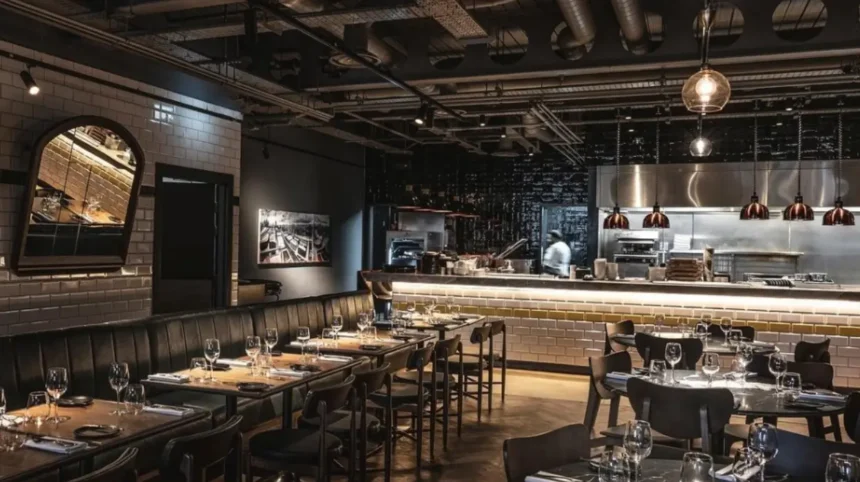
Interior spatial design in Edinburgh cafes balances functional customer throughput with comfortable seating capacity within historical floor plans. Successful layout strategies partition spaces into three functional areas: order counter assembly, active seating zones, and quiet working stations.
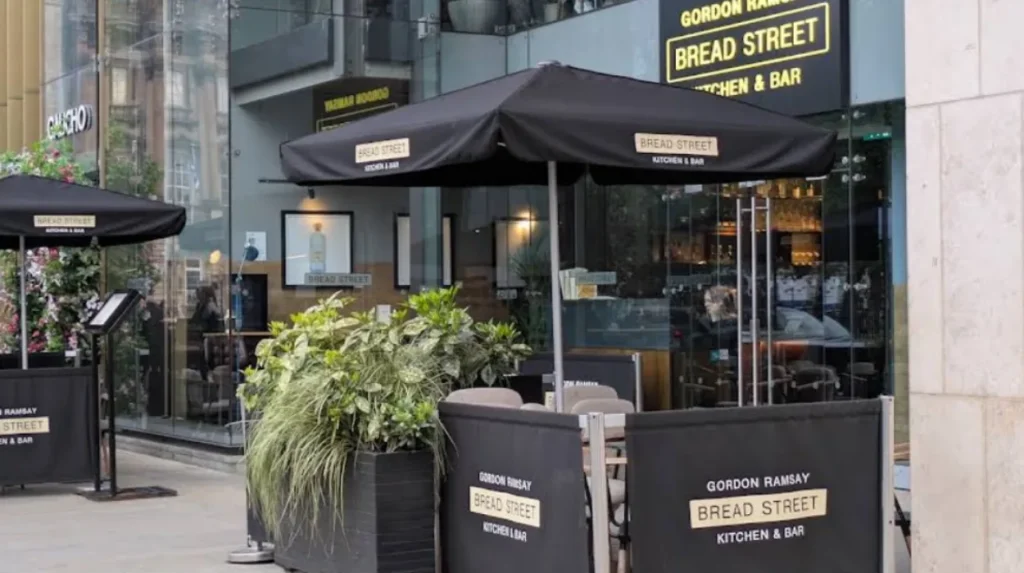
High-density urban cafes utilize modular wooden tables and bench seating to maximize capacity within compact spatial footprints under 500 square feet. Counter design prioritizes ergonomic workflow, positioning the espresso machine, grinder, and pastry display cabinet to minimize barista movement cycles. Power outlet availability and high-speed Wi-Fi connections cater to remote working professionals during off-peak morning and afternoon hours. Acoustics are managed through soft textiles, wall art, and acoustic ceiling panels to reduce noise reverberation in stone buildings. Proper spatial planning increases customer turnover speed during peak hours while encouraging longer stays during quiet afternoon periods.
What Traditional Food and Pastries Accompanify Beverages in Edinburgh Cafes?
Food menus in Edinburgh cafes combine traditional Scottish baking heritage with modern continental patisserie items. Core menu items feature Scottish scones, shortbread, empire biscuits, savory rolls, and sourdough breakfast options baked daily by regional artisanal bakeries.
Scottish cafe culinary programs emphasize locally sourced ingredients from regional suppliers across the Lothians and Fife. Traditional scones require high-butter-fat dairy products sourced from local Scottish farms to achieve a tender crumb structure. Empire biscuits consist of two sweet biscuit layers joined by jam, topped with white icing and a glacé cherry. Modern dietary preferences require cafes to stock three alternative milk varieties, including oat milk, almond milk, and soy milk, alongside gluten-free flour alternatives. Seasonal menu adjustments incorporate Scottish berries during summer months and root vegetable soups during winter, maintaining high profit margins through low food waste practices.
Frequently Asked Questions
What is the quietest time of day to work from a cafe in Edinburgh?
The quietest operational window across most Edinburgh cafes occurs between 8:00 AM and 9:30 AM on weekdays, as well as between 2:30 PM and 4:00 PM. Morning rush hours peak around 10:00 AM, while weekend afternoons experience maximum seating saturation. Remote workers find the most available table space and stable internet bandwidth during early morning hours.
Do independent cafes in Edinburgh offer free public Wi-Fi and charging sockets?
The majority of independent cafes in Edinburgh provide complimentary high-speed Wi-Fi access and accessible power outlets for customers. Some smaller historic Old Town establishments limit laptop usage during peak weekend hours between 11:00 AM and 3:00 PM to ensure table availability for dining guests.
Are dogs permitted inside most coffee shops across Edinburgh?
Edinburgh ranks among the most dog-friendly cities in the United Kingdom, with a large majority of independent cafes welcoming clean, leashed dogs inside their premises. Establishments frequently supply fresh water bowls and complimentary dog treats near entryways.
What is the average cost of a specialty coffee beverage in Edinburgh?
As of current market rates, a standard espresso or Americano in Edinburgh ranges from 3.00 pounds to 3.50 pounds. Dairy-based espresso beverages such as flat whites, lattes, and cappuccinos cost between 3.60 pounds and 4.20 pounds, with alternative plant-based milk options adding an optional surcharge of 40 to 50 pence.
Which Edinburgh neighborhood has the highest density of specialty coffee roasters?
The Leith and Stockbridge districts contain the highest concentration of independent specialty coffee roasters and specialty cafes per square mile. These areas feature converted industrial spaces and neighborhood high streets that accommodate commercial coffee roasting equipment and high-volume retail seating.